Hay Fever and Your Eyes

Hay
fever season is nearly upon us and many people, up to 1 in 5, will start to
suffer symptoms of hay fever. Hay fever is an allergic condition were people
tend to be affected by pollen. Pollen is a very fine substance that is released
by plants as part of their reproductive phase.
The
pollen can get in to your eyes, nose, throat and sinuses and if allergic, can
cause irritation, swelling and inflammation. People can be allergic to three
different types of pollen; weed pollen; that is released in late autumn, tree
pollen; which is released during spring, and grass pollen; released mainly
during the summer months.
A
lot of people who suffer from hay fever, will also suffer from seasonal
allergic conjunctivitis, which is where the pollen affects your eyes. The most
common symptoms are burning, redness, itching and watering of the eyes, and
puffiness of the eye lids. Visiting an eye clinic will ensure your symptoms are
related to seasonal allergic conjunctivitis and not something else.
Most
people who are affected by seasonal allergic conjunctivitis notice their
symptoms are part of their hay fever and the cause is normally the same. Pollen
from weeds, trees or grasses, lands on the eyes' surface and activates the
release of histamine, which is what causes the symptoms. The section of the eye
that is mainly affected is not seen and lies underneath the eyelids. The white
part of the eye (sclera) is only slightly affected and the cornea is not
affected at all.
When
an eye doctor is checking for seasonal allergic conjunctivitis they will note
that the underside of the upper eye lid will be slightly swollen, red and
sometimes bumpy. The minimal signs, alongside seasonal symptoms help the eye
doctor to diagnose seasonal allergic conjunctivitis from other forms of inflammation
and infection.
There
are various types of treatment for hay fever and its eye symptoms and by going
to an eye clinic to have an assessment will make sure you get the best
treatment for your eyes. One of the most common types of treatment would be anti-histamine
eye drops. These work by stopping the histamine affecting the cells in your
body in the usual way.
Anti-histamine
eye drops can be bought over-the-counter or on prescription and are usually
quite effective. Eye drops containing mast cell stabilisers (sodium
cromoglicate) are a very effective and safe way to help treat seasonal allergic
conjunctivitis and work by preventing the allergic reaction. Again these can be
purchased over-the-counter. If your hay fever is affecting your eyes too much your
eye doctor may prescribe you steroid eye drops, these are available
on prescription only due to their possible long term side effects.
Steroid
eye drops have an anti-inflammatory effect, which is why they are good at
treating the eye symptoms of hay fever. Be aware that overuse of antihistamine
eye drops might harm your eyes and hence it is advised that in case of long
term use of antihistamine eye drops we recommend that you consult your eye
surgeon.
There
are also simple at-home treatments you can do to help relieve the discomfort
from seasonal allergic conjunctivitis. This can include using artificial tear
drops to refresh and wash pollen from the eyes. Also, using a cold compress can
not only help with general comfort, but also with puffiness around the eyes and
eyelids.
If
you suffer or think you may suffer from seasonal allergic conjunctivitis it is
best to visit your eye doctor or eye clinic to have a good check over and they
can recommend the best treatments for you.
Author:
Samer
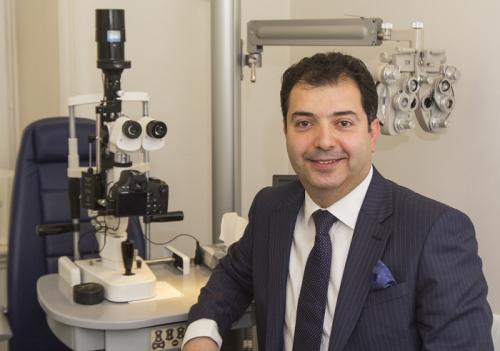
Hamada is a distinguished consultant ophthalmologist and cornea surgeon
performing eye surgeries at his practice, the Eye Clinic London. With nearly
two decades' experience, Mr. Hamada is recognised as a leading expert in the
field of cataract, refractive lens exchange (RLE) and corneal surgeries.
Please
visit http://eyecliniclondon.com/
Please
call 0800 197 8808 for friendly advice and information.
Post Your Ad Here
Comments