Top Tips to Look After Your Eyes This Summer

1.
Sunglasses:
It is
commonly known that exposing our bodies to UV rays is very bad for our skin but
we need to remember to protect our delicate eyes from the sun’s rays as well.
Too much exposure to UV rays can result in pain and irritation to the cornea
(clear window of the eye) and in extreme cases this can lead to age related
macular degeneration, cancer of the cornea, cataracts or even blindness.
Sunglasses
are a great way to protect your eyes from the sun’s UV rays. When buying
sunglasses make sure they comply with BSEN 1836: 1997 or have the CE kite mark
and are marked with UV 400. It is best to get sunglasses that are UVA and UVB
100% protected, if you are unsure always ask your eye clinic or optician. You
can also get polarized sunglasses, not only do they protect your eyes from UV
rays but they can help decrease glare which can strain your vision, they are
very useful when you are by the pool on holiday or taking part in outdoor
sports.
Don’t
forget, it’s not just adults that need sunglasses, children should wear them
too but the best protection is to stay in the shade on sunny days.
2.
Sports:
Not only
do you need to wear sunglasses if it is a sunny day but also eye wear to
protect you from possible injury. Ophthalmologists advise eye protection should
be worn when playing most ball sports. The bigger the ball the less likely for
an eye injury to occur, for example footballs are less likely to injure your
eyes than a golf ball. Good sporting shops should sell plastic shields or masks
to protect you.
Also when
swimming it is best not to wear contact lenses to prevent infections and damage
to the eye and swimming goggles are a must if you are swimming underwater.
3.
DIY/Gardening:
Summer
months are a great time to do DIY projects around the house and spend time in
the garden but these things can lead to eye injuries if proper precautions are
not taken. You often see someone trimming the grass while children are playing
nearby and all of them are at risk from flying stones, soil, twigs and even the
grass itself. Make sure children are out of the way when doing such tasks and
make sure you wear professional quality goggles.
Lacerations
to the cornea are not uncommon when undertaking gardening and can lead to
surgery. You should wear goggles when hammering nails, sawing or anything that
can involve debris entering the eye.
If you do
get hit in the eye with something first factor in your vision, then the pain.
If you vision isn’t affected, it should be enough to apply an ice pack. If your
vision is affected or you have a penetrating injury you must seek immediate
attention from an eye doctor, eye clinic or A&E.
4. Chemicals:
If you get into a swimming pool and it stings your eyes it can mean
the chemicals aren’t balanced correctly, this is unlikely to affect your vision
and tends to be a comfort concern. If the water hurts your eyes it is always
best to get out and rinse your eyes with clean water. If the pain continues you
should seek medical attention, ideally with an eye doctor. You can soothe
irritated eyes by using artificial tear drops.
You can also get infection from untreated pond or lake water getting
under contact lenses, so best to always wear swimming goggles.
When you are on holiday you might come across some plants that can
harm your eyes, such as sumac, ivy and poison oak. It is good to learn what
these look like before you go on holiday so you can then avoid them.
Getting an insect bite around your eyes can also cause damage but so
can applying insect repellent too close to the eyes, so avoid sitting out too
long once the insects are out in the evening or having citronella candles
around can deter them.
It may sound like summer is a big eye injury
waiting to happen but it is best to be prepared and protect yourself and your
children. If you need more advice or suffer an eye injury of any kind remember
it is always best that you see your eye doctor or optometrist so they can help
prevent any long term damage and if you have a serious eye injury go straight
to your eye clinic or A&E.
Author:
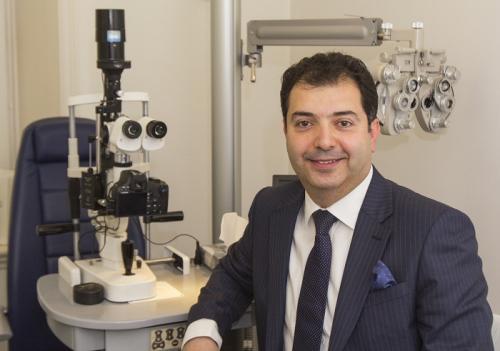
Samer Hamada is a distinguished consultant ophthalmologist and cornea surgeon
performing eye surgeries at his practice, the Eye Clinic London. With nearly
two decades' experience, Mr. Hamada is recognised as a leading expert in the
field of cataract, refractive lens exchange (RLE) and corneal surgeries.
Please
visit http://eyecliniclondon.com/
Please
call 0800 197 8808 for friendly advice and information.
Post Your Ad Here
Comments