Smart Practices to Get the Most from a Used Engine
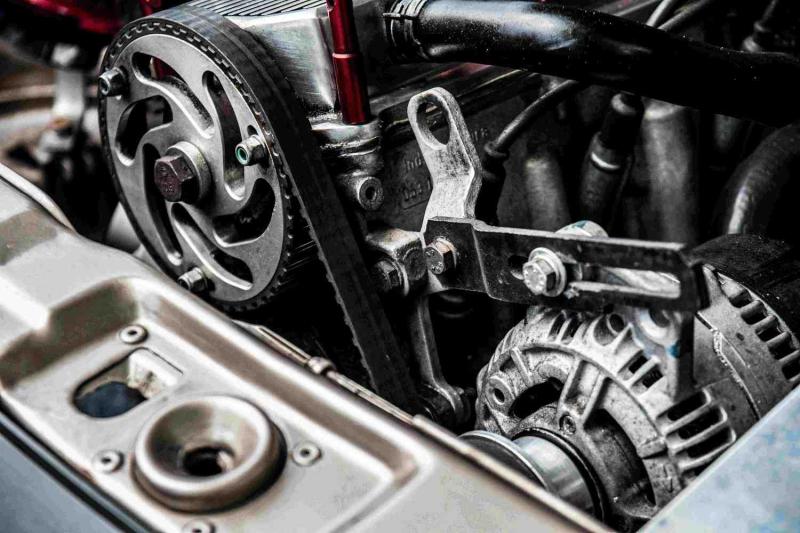
When your vehicle needs a replacement engine, investing in a used engine can be a practical and cost-effective solution. However, purchasing a pre-owned engine comes with its own set of challenges. Maximizing value requires a careful approach, combining research, inspection, and understanding the nuances of engine history and performance. By taking a structured approach, you can secure an engine that performs reliably while making the most of your investment.
Researching the Right Engine for Your Vehicle
The first step in maximizing value is understanding which engines are compatible with your vehicle. Vehicle make, model, year, and engine type all play a role in determining the right fit. Conducting thorough research ensures you do not purchase an engine that will require costly modifications or may not operate efficiently.
In addition to compatibility, it’s important to understand which engines have a history of reliability for your specific vehicle. Some engine models are known for durability, while others may have recurring mechanical issues. Reading reviews, consulting mechanic forums, and checking maintenance histories can provide valuable insight into long-term performance expectations.
Evaluating Engine Condition
Once you have identified potential engines, the next step is evaluating their condition. A thorough inspection should include both visual and mechanical checks. Look for signs of wear, corrosion, or previous repairs that could impact performance. Checking compression, oil condition, and the integrity of gaskets and seals can reveal hidden problems that may affect the engine’s lifespan.
Many buyers also consider whether the engine has been rebuilt or remanufactured. Rebuilt engines typically include replaced or refurbished components, offering improved reliability, whereas engines pulled from vehicles may carry unknown wear. Understanding the engine’s history allows you to make an informed choice that balances cost and longevity.
Considering Warranty and Certification
Another key aspect of maximizing value is examining warranties and certifications. Some used engines come with limited warranties, which can provide peace of mind in the event of unexpected failure. Certification programs, often offered by reputable suppliers, indicate that the engine has undergone standardized inspections and meets quality benchmarks.
Investing in engines with warranties or certifications may cost slightly more upfront but can save significant repair expenses down the road. These protections also serve as a marker of trustworthiness and reliability, reducing the risk of purchasing a subpar engine.
Comparing Prices and Sources
Price comparison is crucial when buying a used engine. The cost of pre-owned engines can vary widely based on condition, mileage, brand, and source. While seeking the lowest price is tempting, value is determined not only by cost but also by quality and expected lifespan. A slightly higher price may be worthwhile if the engine is well-maintained and comes with verification or a warranty.
Reputable sources often include engine resellers, certified remanufacturers, or salvage yards specializing in quality components. It is also important to avoid engines with unclear histories or suspiciously low prices, as these may lead to costly repairs or early failure. Conducting due diligence ensures you receive an engine that meets both your budget and performance expectations.
Factoring in Installation and Maintenance
Maximizing value extends beyond the initial purchase price. Proper installation by a qualified mechanic is essential to prevent immediate issues and ensure optimal engine performance. Additionally, factoring in ongoing maintenance costs, such as oil changes and timing belt inspections, contributes to the long-term value of your investment.
At this stage, it’s also worth considering ancillary components. Parts like sensors, hoses, and mounts may need replacement to match the used engine, and including these considerations in your planning helps avoid unexpected expenses. Proper installation and maintenance preserve the engine’s integrity and help maximize its lifespan.
Knowing When to Buy Used
Used engines are particularly advantageous when compared to entirely new replacements. They provide significant savings while often offering comparable performance. If your goal is to extend your vehicle’s life without incurring the full cost of a brand-new engine, buying used is a smart choice.
For those looking to buy used engines, subtle planning, informed decision-making, and strategic sourcing can ensure that your investment pays off. Taking the time to research, inspect, and verify the engine can transform a simple replacement into a long-term solution that keeps your vehicle running reliably.
Making the Most of Your Investment
Ultimately, maximizing value when purchasing a used engine depends on balancing cost, quality, and longevity. By researching engine compatibility, inspecting condition, considering warranties, comparing prices, and planning for proper installation, you can secure an engine that meets your needs without overspending.
Careful planning and thoughtful decision-making not only reduce the risk of mechanical issues but also give you confidence in your investment. With the right approach, a used engine can serve your vehicle effectively for years, providing both savings and peace of mind.
Post Your Ad Here
Comments