What Extreme Heat Reveals About Your Car AC System
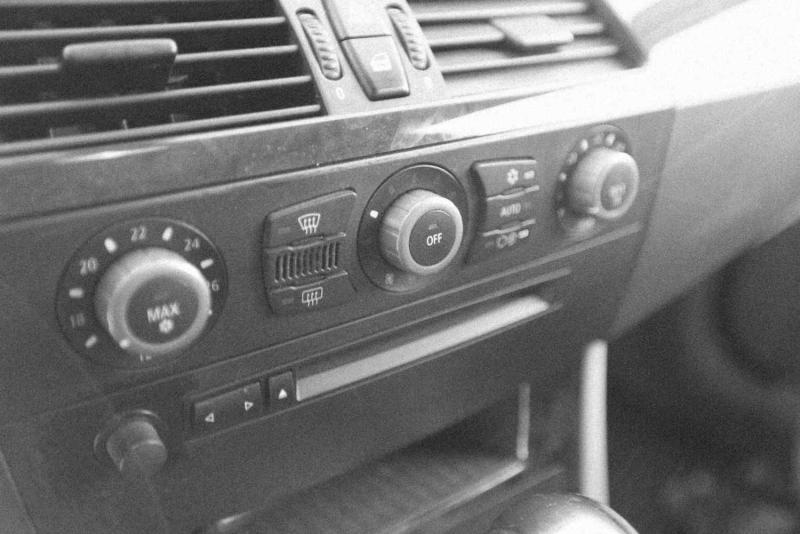
When temperatures rise, drivers rely heavily on their vehicle’s air conditioning system to stay comfortable and safe. Yet, it is common to notice that the AC seems to lose strength just when it is needed most. The cooling that normally feels crisp and refreshing may turn weak, warm, or inconsistent under extreme heat.
Although this shift in performance can be frustrating, it becomes easier to address when you understand the conditions that affect cooling efficiency. By looking into the science behind AC behavior in high temperatures, drivers can better anticipate challenges and maintain a comfortable ride even during the hottest months.
Examining the Strain Extreme Heat Places on the System
A car’s AC system works by transferring heat from inside the cabin to the outside environment. Under typical weather conditions, this heat exchange process happens efficiently. However, extreme heat creates an imbalance that makes the AC work much harder than usual. When the air outside is already hot and dense, it becomes more difficult for the condenser to release heat. Consequently, the refrigerant does not cool down as effectively before it cycles back into the cabin.
Additionally, high temperatures increase the pressure within the AC system. The compressor must operate at a faster and more intense rate to maintain flow, which can lead to strain and reduced cooling output. As the car sits in traffic or idles for long periods, the under-hood temperatures rise even more, reducing the AC’s ability to operate smoothly. The system itself may still be functioning, but it is working against environmental conditions that make efficient cooling a challenge.
Evaluating the Impact of Cabin Heat Soak
Another key factor that reduces AC effectiveness during extremely hot weather is heat soak. This occurs when the interior surfaces of the car absorb and retain heat after exposure to the sun. Materials such as leather, vinyl, plastic, and metal hold heat for long periods, raising the overall cabin temperature significantly. When the AC first starts running, it must work hard to cool both the air and the surfaces radiating heat.
This process takes time, especially when temperatures reach peak levels. Since the AC system was never designed to instantly counteract extreme trapped heat, it may seem to blow warm air initially. As the interior gradually releases stored heat, the system begins to cool more effectively. This period of reduced performance is normal, but it becomes more noticeable during heatwaves or when the car sits in direct sunlight for extended hours.
Assessing Airflow Restrictions and Environmental Conditions
Airflow plays a major role in how efficiently a vehicle’s AC can cool the cabin. When airflow is restricted, either inside the car or under the hood, the cooling process slows down. Cabin air filters, for example, can become clogged with dust and debris. During hot weather, any reduction in airflow becomes more pronounced because the system is already operating at its limit.
Environmental factors also contribute to reduced cooling power. If the condenser is covered with dirt, bugs, or road grime, it cannot release heat effectively. In addition, driving in slow traffic restricts air movement across the condenser, limiting its ability to cool the refrigerant. Even tire pressure and engine temperature can indirectly affect cooling efficiency when the vehicle is pushed beyond normal operating conditions.
In the midst of these challenges, some drivers look into car AC repair to identify underlying issues that might worsen during high temperatures. Although heat alone can strain a healthy AC system, mechanical problems amplify the loss of cooling power and often require professional attention.
Identifying Mechanical Issues That Intensify Heat-Related Problems
While extreme heat naturally affects the performance of an AC system, existing mechanical issues can make the loss of cooling power far more noticeable. Refrigerant leaks, for instance, reduce the system’s ability to maintain proper pressure. Even a small leak can cause the AC to blow warm air during the hottest times of the day. Likewise, a worn compressor may struggle to keep up with increased demand.
Faulty condenser fans can also contribute to weak cooling, especially when the vehicle is stationary. Since these fans help move air across the condenser, any malfunction limits heat dissipation and leads to warm AC output. Electrical issues, faulty sensors, and aging components can all interfere with the system’s ability to function under pressure. While a car may seem to cool adequately on mild days, extreme heat exposes weaknesses quickly.
Maintaining Reliable Cooling Performance in Hot Weather
Although drivers cannot control outdoor temperatures, they can take steps to support the AC system during high heat. Regular maintenance helps ensure that each component works efficiently. Clean filters, unrestricted airflow, and a properly charged system all make a difference in how well the AC performs. Simple habits such as ventilating the cabin before running the AC or parking in shaded areas can also reduce heat soak and improve comfort.
Modern vehicles are designed to withstand demanding conditions, but even the most capable systems have limitations when temperatures spike. As a result, paying attention to signs of reduced performance and addressing them early can prevent long-term damage. Through consistent care and awareness of environmental pressures, drivers can preserve cooling efficiency even during the hottest months.
Conclusion
Extreme heat affects car AC performance in many ways, from pressurizing the system to slowing heat dissipation. While high temperatures naturally challenge the cooling process, mechanical issues and restricted airflow can intensify the loss of cooling power.
By understanding these factors, drivers gain insight into what their AC system experiences during demanding weather. With regular maintenance and thoughtful habits, it becomes easier to maintain comfort on the road and ensure the system continues performing efficiently through every heatwave.
Post Your Ad Here
Comments