Affordable Housing Units as a Foundation for Economic Stability
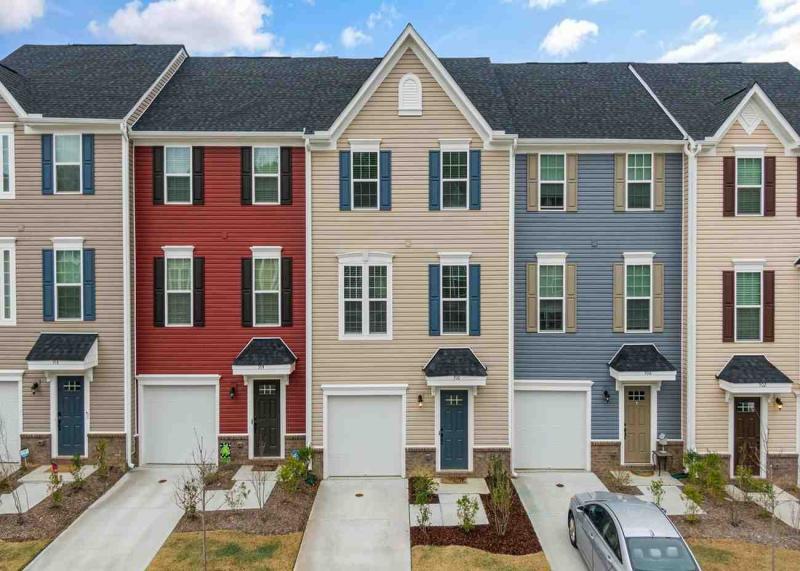
Affordable housing has long been a cornerstone of stable and thriving communities. It ensures that individuals and families of all income levels have access to safe, reliable, and comfortable homes.
In a rapidly urbanizing world where housing costs continue to rise, the necessity of developing and maintaining affordable housing units cannot be overstated. Beyond simply providing shelter, these housing initiatives contribute to social equity, economic resilience, and long-term community sustainability.
Addressing the Growing Demand for Accessible Housing
The growing disparity between wages and housing costs has left many families struggling to find affordable options. This widening gap has made affordable housing units not just a social good but an essential public need. Cities that fail to meet this demand often face higher rates of homelessness, financial insecurity, and community displacement.
By creating a diverse range of affordable housing opportunities, communities can help ensure that essential workers, young professionals, and low-income families can live near their workplaces, schools, and local amenities. This accessibility not only strengthens social ties but also improves the overall quality of life by reducing commuting stress and promoting neighborhood stability.
Moreover, affordable housing development promotes balanced urban growth. It prevents the overconcentration of poverty by encouraging mixed-income neighborhoods where residents from different backgrounds can thrive together. This balance helps strengthen civic engagement and fosters a greater sense of belonging within communities.
Promoting Economic Stability and Local Development
Affordable housing contributes directly to economic growth. When residents are not burdened by excessively high rents, they have more disposable income to spend on goods, services, and education—resources that circulate back into the local economy.
Additionally, the construction and maintenance of affordable housing projects create numerous jobs in the building trades, property management, and local businesses that support these developments.
Developers and policymakers increasingly recognize the long-term financial benefits of these investments. Stable housing enables families to build credit, save money, and pursue higher education or job opportunities. This, in turn, strengthens the economic foundation of communities and encourages upward mobility among residents who might otherwise be trapped in cycles of housing insecurity.
In the middle of these efforts, organizations like Advantage Capital play a role in promoting sustainable housing solutions that benefit both residents and local economies. Their initiatives often highlight the intersection between housing affordability, economic vitality, and community development.
Supporting Health, Education, and Social Well-being
Stable and affordable housing has profound effects on public health and educational outcomes. Families who have access to affordable homes experience less stress and greater mental well-being. They are more likely to maintain consistent healthcare access, nutritious diets, and supportive social networks. Children in these households benefit from stability that allows them to perform better academically, as frequent relocations can disrupt learning and emotional development.
Affordable housing communities also frequently integrate access to essential services, including childcare, job training, and healthcare. These additional supports reinforce the idea that housing is not just about providing shelter—it’s about nurturing environments that enable individuals and families to reach their full potential.
Furthermore, research consistently shows that communities with affordable housing have lower crime rates and higher levels of civic participation. When residents feel secure in their homes and neighborhoods, they are more likely to invest time and energy into improving the places where they live.
Encouraging Sustainable Urban Planning and Environmental Responsibility
The design and location of affordable housing developments play a significant role in shaping sustainable cities. By strategically situating housing near transportation hubs, job centers, and green spaces, planners can reduce the need for long commutes and support more environmentally responsible lifestyles. Energy-efficient construction and modern insulation techniques can further decrease utility costs for residents while reducing overall environmental impact.
Many cities are now integrating affordable housing policies with sustainability goals, promoting eco-friendly building materials and renewable energy use within new developments. This approach helps ensure that affordable housing does not come at the expense of environmental responsibility but rather contributes to the creation of greener, more livable urban spaces.
Fostering Inclusive and Equitable Communities
Affordable housing is a powerful tool for promoting social equity. It gives individuals from various income levels, ethnic backgrounds, and life stages the opportunity to live in diverse and supportive neighborhoods. Inclusive housing policies also help combat systemic inequalities that have historically limited access to homeownership and stable rental options for marginalized groups.
When cities invest in affordable housing, they invest in the well-being of their entire population. These developments strengthen community bonds, enhance diversity, and create shared opportunities for economic and social growth. Ultimately, affordable housing is not a short-term solution to a financial problem—it is a long-term investment in the stability and resilience of future generations.
Conclusion
The necessity of affordable housing units extends far beyond economics. It touches every aspect of community life—health, education, sustainability, and social cohesion. As urban populations continue to grow, cities must prioritize housing affordability as a fundamental element of progress. Through thoughtful planning, collaborative partnerships, and a focus on inclusivity, communities can ensure that everyone has a place to call home and a fair chance to thrive.
Post Your Ad Here
Comments