Reimagining Photography with Pixelators and Creative Expression
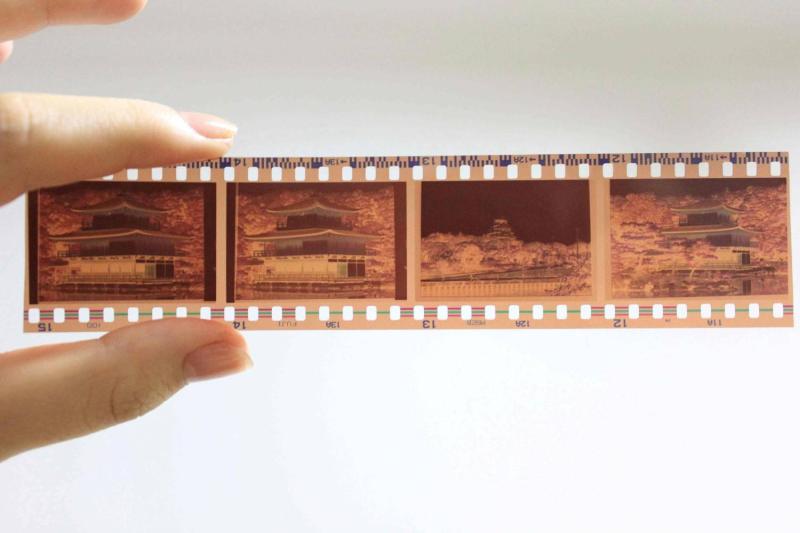
In the digital age, most of our cherished memories live behind screens. Family vacations, milestone celebrations, and spontaneous moments are captured in countless photos stored in phones and computers. Yet, as convenient as digital storage is, it often makes our most meaningful memories feel distant and intangible.
For those who long to give these moments a physical presence, pixelation offers an imaginative bridge between technology and art. Through tools like pixelators, digital images can be reimagined as tactile, handcrafted pieces that transform fleeting pixels into lasting keepsakes.
Reviving Memories Through Artistic Creation
There’s something deeply personal about taking a digital image and recreating it by hand. Transforming a favorite photograph into pixelated art brings a sense of craftsmanship and emotional connection that scrolling through a photo gallery can’t replicate. By converting digital images into structured grids of color, pixelators allow anyone—from seasoned artists to curious beginners—to turn a snapshot into a meaningful visual project.
Unlike printed photographs that fade or get tucked away in albums, pixelated recreations become pieces of art that can be displayed, touched, and admired. Each small colored block represents both a piece of the picture and a fragment of memory, blending nostalgia with creativity. This process invites participants to slow down, engage their senses, and connect more deeply with the story behind the image.
Blending Technology with Hands-On Expression
In today’s world, digital technology often distances us from the physical world, but pixelation bridges that gap beautifully. Pixelators translate modern photography into a form that encourages touch, focus, and artistic engagement. The process begins with a digital photo, which is converted into a pixel grid that serves as a visual guide. Each color block becomes a building element that can be assembled to form the complete image.
This method captures the precision of digital imagery while emphasizing the creativity of hands-on design. It’s not just about copying an image; it’s about reinterpreting it through a new artistic lens. A picture of a family pet, for example, transforms into a mosaic of color and emotion. A vacation sunset becomes a vibrant piece of décor that reflects both the beauty of nature and the effort of the creator.
As people seek more meaningful, mindful activities, this fusion of digital and manual artistry offers a fulfilling creative outlet. Apps like Photo Pixelator exemplify this balance, enabling anyone to transform everyday photos into customized art projects with remarkable simplicity and precision.
Encouraging Creativity Across Generations
One of the most appealing aspects of pixelated art is its accessibility. Children, adults, and seniors alike can participate, each finding joy and satisfaction in the process. Families can turn pixelation into a bonding activity, working together to recreate meaningful images from shared experiences. Kids develop fine motor skills and an appreciation for design, while adults rediscover the joy of crafting and self-expression.
In educational settings, pixelation also introduces young learners to concepts like pattern recognition, color theory, and visual composition. Teachers can use it as a creative bridge between art and technology, helping students understand how digital images are structured and translated into visual data. The combination of logic and artistry fosters both technical thinking and imagination, making it an engaging tool for developing problem-solving and creative skills.
Preserving Memories in a Meaningful Way
In an era dominated by fast scrolling and fleeting content, creating something tangible carries profound emotional value. Pixelated art pieces offer a way to honor memories and preserve them in a form that feels permanent and personal. A pixelated portrait of a grandparent, a wedding day moment, or a beloved pet becomes more than just a decorative object—it becomes a tribute to the memory it represents.
These creations also serve as unique, handmade gifts that hold sentimental value far beyond anything mass-produced. By transforming digital photos into tangible works, people can give the gift of nostalgia wrapped in creativity. Every small piece tells a story, and together they build a lasting visual memory that celebrates both technology and the human touch.
Finding Balance Between Digital and Physical Worlds
Pixelation captures the essence of what many seek in modern creative expression: a balance between technology and tactile experience. It allows us to appreciate the digital advancements that make photography accessible while reminding us of the value of slowing down to create something with our own hands.
As we continue to navigate a world saturated with digital content, transforming digital memories into tangible creations offers a refreshing return to the physical. It bridges generations, encourages mindfulness, and gives digital memories new life outside the confines of screens.
In the end, pixelated art is not just about transforming photos—it’s about transforming how we connect with our memories, our creativity, and one another.

Post Your Ad Here
Comments