The Evolution of Visual Art Publishing in the Digital Age
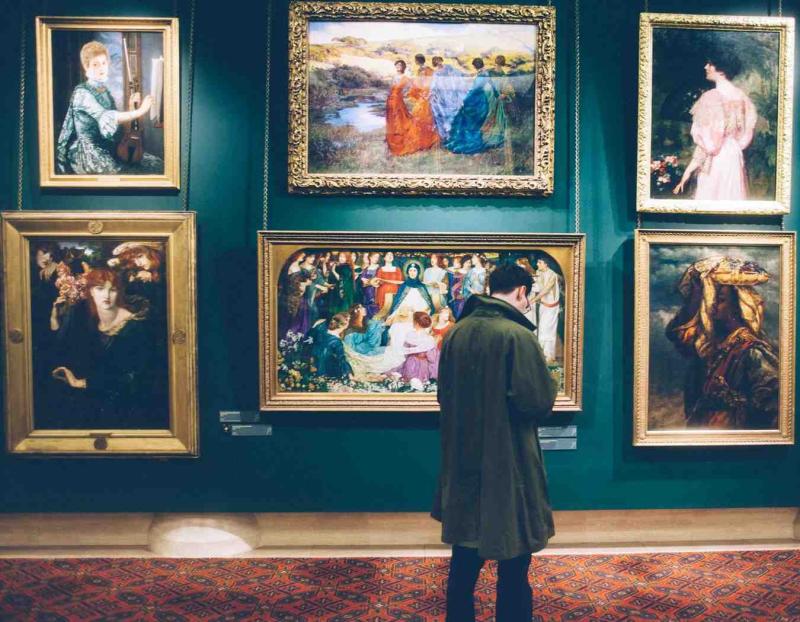
The art world has always thrived on innovation and reinvention. From early cave paintings to modern installations, artists have continually adapted their mediums to the tools and technologies available to them.
The rise of digital technology, however, has transformed not only how art is created but also how it is shared, published, and experienced. Visual art publishing in the digital age has expanded beyond traditional galleries and print publications, allowing artists and audiences to engage with creativity in new, dynamic ways.
Shifting from Print to Digital Platforms
For decades, print publications such as art journals and exhibition catalogs served as the primary means of documenting and promoting artists’ work. While these publications offered credibility and prestige, they were limited by geographic reach, printing costs, and production timelines. The emergence of digital platforms revolutionized the publishing process, making it faster, more accessible, and more inclusive.
Artists today can share their portfolios, publish essays, and participate in virtual exhibitions without relying on traditional gatekeepers. Digital platforms also provide real-time engagement through comments, shares, and live events, creating an interactive space for dialogue between creators and audiences. This accessibility has opened opportunities for underrepresented voices in the art world, enabling more diverse perspectives to be seen and celebrated.
Moreover, digital publication formats allow for the integration of multimedia elements such as videos, 3D renderings, and augmented reality features. This blend of interactivity and storytelling redefines how audiences experience art, transforming passive viewing into an immersive encounter.
Empowering Artists and Audiences through Accessibility
Digital art publishing has democratized visibility for artists. In the past, an artist’s exposure was largely dependent on gallery representation, print coverage, or institutional support. Today, digital platforms enable independent artists to self-publish and connect directly with collectors, curators, and enthusiasts. This shift has significantly reduced barriers to entry while fostering a sense of community and collaboration across borders.
For audiences, accessibility has also expanded dramatically. Viewers can now engage with art from any corner of the world, often for free or at minimal cost. Online exhibitions, digital archives, and open-access publications have made it possible for anyone with an internet connection to experience global creativity. This ease of access has helped cultivate a more informed and interconnected art audience, reshaping how cultural exchange occurs in the twenty-first century.
At the same time, organizations like East City Art have demonstrated how digital platforms can serve as both publication and community hub. By combining editorial coverage, calls for entry, and artist features, they bridge the gap between traditional art criticism and the digital publishing landscape—an evolution that underscores the art world’s adaptability and resilience.
Redefining Collaboration and Curation
The digital transformation of visual art publishing has also reimagined the roles of curators, editors, and art critics. Online spaces allow curators to collaborate with artists virtually, curating digital exhibitions that transcend physical boundaries. Editors and writers have embraced digital storytelling formats, integrating hyperlinks, embedded visuals, and interactive elements to enhance context and depth.
Social media further amplifies this interconnectedness, allowing artists and curators to engage directly with audiences in ways that were once unimaginable. This immediacy not only helps build stronger creative networks but also allows for rapid feedback and global participation. As a result, the act of publishing art has become more fluid, participatory, and responsive to cultural trends.
Preserving Authenticity in the Digital Landscape
While digital publishing has brought accessibility and innovation, it also introduces challenges related to authenticity, copyright, and the preservation of digital works. The ease of sharing art online increases the risk of misuse or misattribution. Consequently, artists and platforms are exploring blockchain technology and metadata tagging as potential solutions for protecting intellectual property and maintaining provenance.
Additionally, digital preservation poses unique concerns. Unlike print materials, digital content depends on constantly evolving technologies and file formats. Institutions and digital publishers are increasingly prioritizing long-term archiving strategies to ensure that today’s digital artworks and publications remain accessible to future generations.
Balancing accessibility with integrity will remain an ongoing challenge, one that will continue to shape the evolution of digital art publishing.
Envisioning the Future of Visual Art Publishing
As technology continues to advance, the boundaries between creation, publication, and experience will continue to blur. Artificial intelligence, virtual reality, and blockchain innovations are already influencing how art is distributed and consumed. The future of visual art publishing will likely involve even more integrated, multisensory experiences that bridge the gap between artist and audience.
Yet, amid this rapid transformation, the essence of publishing—sharing stories, ideas, and perspectives—remains constant. The digital age has not diminished the value of art publishing; rather, it has expanded its reach and relevance. In this new landscape, creativity knows no limits, and every artist has a platform to make their vision seen.
Post Your Ad Here
Comments