How to Buy the Right Commercial Refrigerator for Your Kitchen
A commercial refrigerator is one of the most essential pieces of equipment in any professional kitchen. From storing fresh produce to keeping prepared dishes safe for service, the right refrigerator ensures smooth operations and compliance with food safety standards. However, with numerous options available, selecting the right model can feel overwhelming. If you’re planning to buy restaurant equipment, especially refrigeration units, knowing what to look for can save you money and prevent future headaches.
In this blog, we’ll guide you through the key factors to consider when buying a commercial refrigerator for your kitchen.
Top 10 Considerations for Choosing the Right Commercial Refrigerator
1. Understand Your Kitchen’s Needs
Before investing in a commercial refrigerator, evaluate your kitchen’s size, menu, and workflow. For example:
- Small cafes or food trucks may need compact under-counter units.
- Large restaurants often require multiple reach-in refrigerators or walk-in coolers to store their food.
- Catering businesses may benefit from portable refrigeration options.
By matching your refrigerator choice to your kitchen’s daily operations, you’ll maximize efficiency and avoid wasted space or energy.
2. Choose the Right Type of Refrigerator
Commercial refrigerators come in several styles, each designed for specific uses:
- Reach-In Refrigerators: Standard in most kitchens, ideal for easy access to frequently used items.
- Undercounter Refrigerators: Space-saving units that fit under prep tables, perfect for smaller kitchens.
- Walk-In Coolers: Large storage spaces for high-volume operations like hotels or large restaurants.
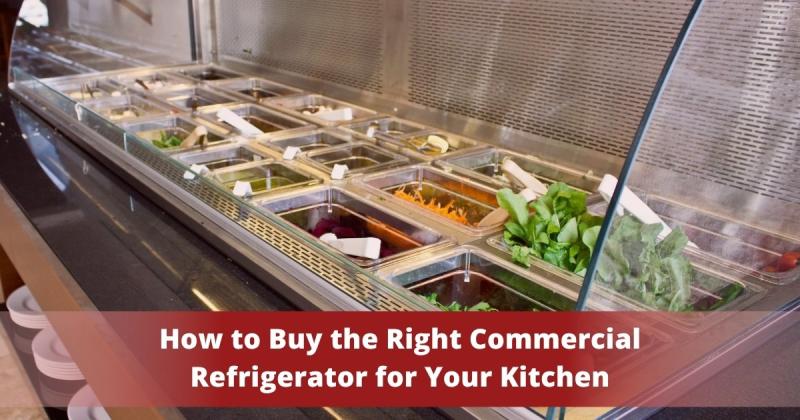
- Display Refrigerators: Ideal for bakeries, cafes, or delis that want to showcase their products to customers.
Consider how your staff moves in the kitchen and select a type that facilitates a smooth workflow.
3. Consider Size and Capacity
Measure your available space carefully before making a purchase. Commercial refrigerators come in various sizes, ranging from single-door reach-ins to multi-door models. Also, consider the storage capacity you’ll need based on your menu and daily output. Overcrowding your fridge can lead to poor air circulation, while oversized units can waste energy.
4. Check Energy Efficiency
Energy costs are a big part of running a restaurant. Look for refrigerators with ENERGY STAR certification, which use less energy while maintaining optimal performance. Over time, energy-efficient models save money and reduce your kitchen’s carbon footprint.
5. Evaluate Temperature Control and Consistency
A reliable commercial refrigerator should maintain consistent temperatures, even when frequently opened and closed. Advanced models come with digital thermostats and alarms that alert you to temperature fluctuations, helping you stay compliant with food safety regulations.
6. Pay Attention to Build Quality and Materials
Durability is key when you buy restaurant equipment. Stainless steel interiors and exteriors are the gold standard for commercial refrigerators because they resist corrosion, are easy to clean, and withstand heavy use. Glass doors are also beneficial for enhanced visibility. Still, they may require more frequent cleaning due to their transparency.
7. Consider Door Style and Placement
- Swing doors are common but require extra clearance.
- Sliding doors save space in tight kitchens.
- Glass doors allow staff to quickly see the contents, reducing the time the door stays open.
Choose based on your kitchen’s layout to ensure smooth movement during busy service hours.
8. Look for Easy Maintenance Features
Refrigerators that are easy to clean and maintain will save you time and reduce the risk of breakdowns. Features such as removable gaskets, self-closing doors, and front-accessible condenser coils make regular maintenance more manageable.
9. Check Warranties and Service Options
A commercial refrigerator is a long-term investment, so it’s important to review the warranty and after-sales support. Many reputable suppliers and manufacturers offer extended coverage, ensuring your equipment is protected against defects or breakdowns.
10. Compare Prices and Suppliers
Before finalizing your purchase, compare prices from different suppliers. Visit a restaurant supply store to see models in person, ask questions, and get professional recommendations. Additionally, balancing cost with long-term reliability, choosing the cheapest option may ultimately lead to higher repair costs.
Final Thoughts
Choosing the right commercial refrigerator requires careful planning and consideration of your kitchen’s needs, space, and budget. From size and energy efficiency to durability and service options, each factor plays a role in ensuring your investment pays off. When you’re ready to buy restaurant equipment, selecting the right refrigerator will help your kitchen run smoothly, keep food safe, and improve overall efficiency.
Post Your Ad Here
Comments