How to Properly Maintain Your Commercial Restaurant Equipment
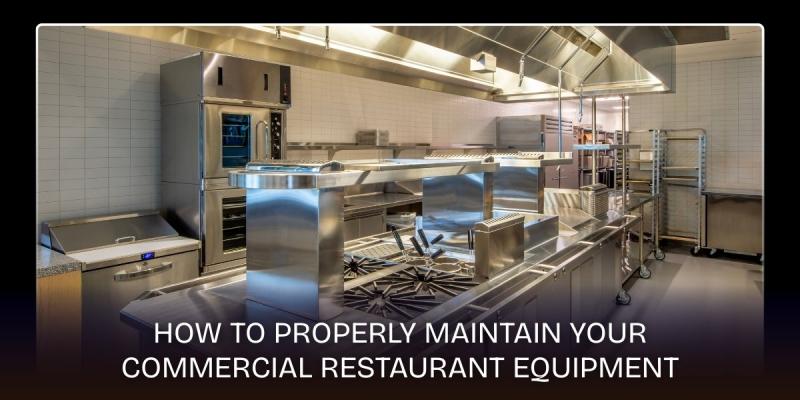
Running a restaurant requires more than great food and excellent service. Behind the scenes, your commercial restaurant equipment plays a vital role in ensuring smooth operations, consistent quality, and food safety. Whether it’s refrigerators, ovens, grills, or dishwashers, proper maintenance can save you time, money, and unnecessary headaches. Neglecting upkeep often leads to unexpected breakdowns, costly repairs, or even health code violations.
In this guide, we’ll walk you through the best practices for maintaining your restaurant equipment, explain why it matters, and show you how regular care can extend the life of your investment.
Why Equipment Maintenance Matters
Before diving into the how-to, it’s important to understand why restaurant equipment maintenance should be a top priority:
- Reduced Downtime – Equipment failures can halt service and lead to lost revenue.
- Extended Lifespan – Regular care helps prevent wear and tear, allowing your machines to last longer.
- Energy Efficiency – Clean, well-maintained equipment consumes less energy.
- Food Safety – Properly functioning refrigerators and cooking equipment ensure food stays fresh and safe.
- Cost Savings – Preventive maintenance costs are significantly lower than those of emergency repairs or replacements.
8 Steps to Keep Your Kitchen Running Smoothly
1. Clean Equipment Daily
Daily cleaning is the foundation of maintaining restaurant equipment. Grease, food particles, and spills can accumulate quickly, negatively impacting performance and safety.
- Ovens and Grills – Wipe down after every shift and deep clean grates regularly to prevent grease fires.
- Refrigerators – Remove food debris, sanitize shelves, and ensure the doors seal properly.
- Mixers and Prep Equipment – Clean attachments after every use to avoid cross-contamination.
- Dishwashers – Empty filters and wipe down seals daily to prevent clogs and odors.
A clean piece of equipment not only performs better but also creates a safe working environment.
2. Schedule Regular Deep Cleaning
Daily cleaning is essential, but your equipment also needs scheduled deep cleans. Depending on usage, set aside time weekly or monthly for more thorough maintenance.
- Fryers – Boil out fryers to remove oil residue and prevent rancid buildup.
- Ice Machines – Descale and sanitize to prevent mold and bacterial growth.
- Ventilation Systems – Clean hoods, filters, and ducts to reduce fire risks.
These deep cleans enhance efficiency, prevent breakdowns, and ensure your restaurant remains compliant with health codes.
3. Follow Manufacturer Guidelines
Every piece of restaurant equipment comes with a user manual that outlines cleaning and maintenance schedules. These guidelines are designed to optimize performance and safeguard warranties.
- Stick to recommended service intervals.
- Use only approved cleaning products and tools.
- Train your staff to handle equipment properly, following the manufacturer's instructions.
Skipping these steps could void warranties and lead to more costly repairs down the road.
4. Monitor Equipment Performance
Your staff is the first line of defense when it comes to spotting potential issues. Train them to recognize warning signs, such as:
- Unusual noises or vibrations
- Slow heating or cooling
- Leaks or excessive condensation
- Burnt smells or smoke
- Inconsistent food quality
Catching these problems early allows you to address them before they become major repairs. Maintain a log to track issues, repairs, and scheduled servicing dates.
5. Schedule Professional Inspections
Even with diligent daily care, professional servicing is crucial for commercial equipment. Certified technicians can spot hidden issues and perform tune-ups that extend equipment life.
- HVAC systems should be inspected at least twice a year.
- Refrigeration units require professional maintenance to check coolant levels, fans, and compressors.
- Cooking equipment benefits from expert calibration to maintain even heating and consistent results.
Think of these inspections as preventive health check-ups for your kitchen—they keep everything running smoothly and minimize the need for emergencies.
6. Replace Worn Parts Promptly
Small parts, such as gaskets, seals, filters, and belts, wear out faster than entire machines. Replacing them on time prevents bigger breakdowns.
- Door Gaskets – Ensure refrigerators and ovens seal properly to maintain temperature.
- Filters – Replace in dishwashers, ice machines, and HVAC systems for efficiency and safety.
- Burners and Heating Elements – Swap out when performance drops to maintain consistency.
Delaying minor repairs often results in more significant, expensive damage later.
7. Train Your Staff on Proper Usage
Improper handling is one of the leading causes of equipment damage. Training your staff to use machines correctly minimizes mistakes.
- Teach employees how to start up, operate safely, and shut down equipment.
- Encourage staff to report malfunctions promptly, rather than ignoring them.
- Provide refresher training regularly, especially when new employees join the organization.
Well-trained staff not only improves efficiency but also protects your investment.
8. Keep Spare Equipment or Rentals in Mind
Even with excellent maintenance, unexpected breakdowns can still occur. Having backup equipment or access to rental services can help you avoid downtime.
For example:
- Rent an extra refrigerator during busy seasons.
- Have a trusted provider for emergency oven or dishwasher rentals.
This flexibility ensures you’re always ready to serve customers, even when equipment surprises you.
Final Thoughts
Properly maintaining your commercial restaurant equipment is crucial for maintaining efficiency, ensuring safety, and achieving profitability. From daily cleaning to scheduled professional inspections, every step contributes to a longer lifespan and fewer unexpected costs. Training your staff, monitoring performance, and replacing worn parts all help ensure your equipment works as hard as you do.
Investing time and effort into equipment care isn’t just about avoiding breakdowns; it’s about protecting your bottom line, enhancing food quality, and keeping your customers satisfied.
If you’re looking for reliable solutions and rental equipment to support your kitchen during busy periods or emergencies, partnering with a trusted provider can provide you with peace of mind.
Post Your Ad Here
Comments