Commercial Restaurant Equipment Checklist for Opening a New Restaurant
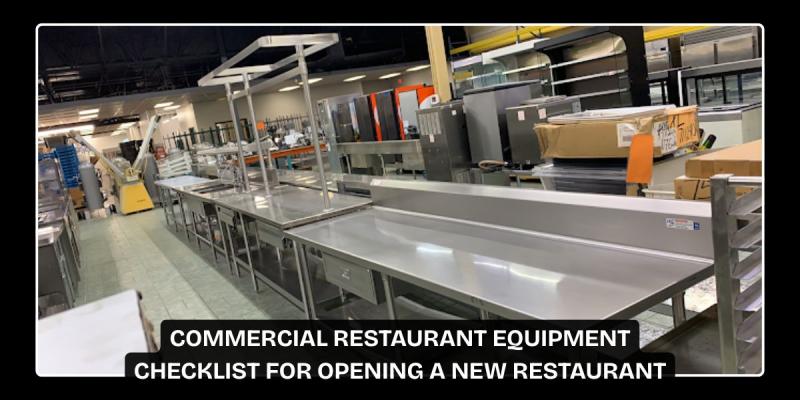
Opening a new restaurant is exciting, but it also requires a lot of planning, especially when it comes to selecting the right commercial restaurant equipment. Whether you’re launching a fast-casual spot or a fine-dining establishment, having the proper tools is essential for smooth operations, safety, and kitchen efficiency. This guide offers a complete checklist of commercial equipment you'll need before opening day.
1. Cooking Equipment
- Commercial Ranges and Ovens – Used for baking, roasting, and cooking a wide variety of dishes.
- Griddles and Charbroilers – Ideal for grilling burgers, steaks, pancakes, and more.
- Deep Fryers – Essential for frying items like fries, chicken, and tempura.
- Microwaves and Steamers – Used for quick heating and steaming vegetables or seafood.
- Toasters and Salamanders – Great for toasting bread or broiling and finishing dishes.
2. Refrigeration Units
- Reach-In Refrigerators and Freezers – Store perishable ingredients for daily use.
- Under-Counter Units – Provide quick access to ingredients in limited space.
- Prep Tables with Refrigeration – Keep toppings and ingredients chilled while prepping food.
- Walk-In Coolers and Freezers – Used for bulk storage of meats, produce, and frozen items.
- Ice Machines – Produce ice for drinks, food preservation, and sanitation.
3. Food Prep Equipment
- Commercial Mixers – Efficiently mix dough, batter, and sauces.
- Food Processors – Chop, slice, or blend ingredients in seconds.
- Slicers – Create uniform slices of meat, cheese, and vegetables.
- Blenders – Blend sauces, smoothies, and drinks quickly and easily.
- Cutting Boards and Prep Tables – Provide hygienic, organized surfaces for food preparation.
4. Storage Solutions
- Stainless Steel Shelving – Store dry goods and equipment safely and hygienically.
- Dry Storage Racks – Organize canned goods and supplies off the floor.
- Ingredient Bins – Store and access dry ingredients, such as flour, sugar, and rice.
- Commercial-Grade Containers – Preserve leftovers and prepared ingredients.
- Wall-Mounted Shelves – Maximize vertical storage space for lighter tools and containers.
5. Dishwashing and Cleaning Equipment
- Commercial Dishwashers – Quickly sanitize dishes, utensils, and cookware.
- Three-Compartment Sinks – Required for proper manual dishwashing processes.
- Handwashing Sinks – Help maintain hygiene for kitchen staff.
- Mop Sinks and Utility Carts – Facilitate easy cleaning and transportation of supplies.
- Grease Traps and Floor Mats – Improve kitchen safety and prevent drain blockages.
6. Beverage Equipment
- Coffee Brewers and Grinders – Prepare fresh coffee efficiently for customer demand.
- Soda Dispensers – Serve cold beverages quickly and consistently.
- Ice Bins and Under-Bar Sinks – Keep bar stations organized and functional.
- Wine Coolers and Keg Refrigerators – Store and serve alcoholic beverages at optimal temperatures.
7. Smallwares and Utensils
- Pots and Pans – Essential for boiling, frying, sautéing, and simmering.
- Knives and Utensils – Used for cutting, mixing, serving, and prepping food.
- Food Thermometers – Ensure food is cooked and stored at safe temperatures.
- Mixing Bowls and Containers – Used for combining and storing ingredients.
- Measuring Cups and Spoons – Provide accurate measurements for ingredients in recipes.
8. POS and Front-of-House Equipment
- POS Terminals and Cash Drawers – Process payments and track sales efficiently.
- Receipt Printers – Print customer receipts and kitchen order tickets.
- Order Displays – Help kitchen staff receive and manage orders clearly.
- Host Stands and Seating Arrangements – Welcome guests and manage reservations or waitlists.
9. Safety and Compliance Equipment
- Fire Suppression Systems – Protect kitchen staff and equipment in the event of a fire.
- First Aid Kits – Address minor injuries or emergencies quickly.
- Smoke Detectors – Alert staff to fire risks early.
- Aprons, Gloves, and Hairnets – Maintain cleanliness and prevent contamination.
- Food Safety Signage – Remind staff of safety rules and hygiene practices.
Final Thoughts
Before opening your restaurant doors, ensure your commercial kitchen is fully equipped. A well-thought-out equipment checklist helps avoid delays, ensures health code compliance, and sets your team up for success. Whether you’re buying new or used, always purchase from a trusted restaurant supply store to ensure quality and durability.
Post Your Ad Here
Comments