Common Mistakes When Buying Commercial Cooking Equipment
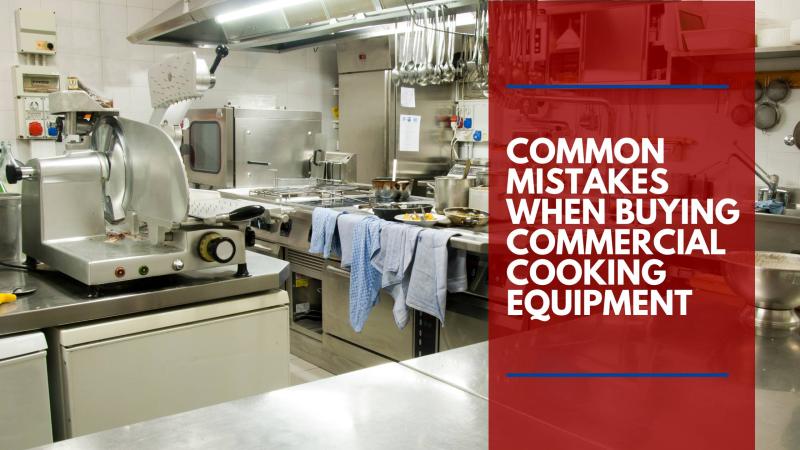
Setting up a professional kitchen requires more than good recipes and skilled chefs. The backbone of any successful restaurant is its equipment. From ovens to grills, refrigerators to fryers, every piece of machinery must work efficiently and reliably. But here's the thing—buying commercial restaurant equipment isn't as straightforward as it might seem.
Many restaurant owners, especially first-timers, rush through this process, only to regret their choices later. Buying the wrong equipment can lead to unnecessary expenses, kitchen downtime, and frustrated staff. To help you avoid those headaches, we're breaking down some of the most common mistakes people make when buying commercial cooking equipment — and how you can sidestep them.
Not Having a Clear Plan Before Shopping
One of the biggest mistakes restaurant owners make is heading straight to a supplier or browsing online without a game plan. Buying commercial restaurant equipment without knowing exactly what you need is like grocery shopping on an empty stomach. You'll likely end up with items you didn't plan for and forget essentials you truly need.
Before you start shopping, ask yourself:
What type of food will you be serving?
How many customers do you expect to serve daily?
What's the size and layout of your kitchen?
Are there any special electrical, gas, or ventilation requirements?
What's your budget for equipment purchases?
Creating a detailed kitchen equipment checklist can save you from impulse buys and ensure you invest only in tools that make sense for your operation.
Choosing Price Over Quality
It's tempting to go for the cheapest option when buying commercial restaurant equipment, especially when you're juggling other startup costs like rent, permits, and staff salaries. But skimping on quality usually costs more in the long run.
Cheaper equipment may:
Wear out faster under constant use
Break down more often
Use more energy, leading to higher utility bills
Offer limited warranties and poor customer support
Think about how much use each piece of equipment will get. Items like ranges, refrigerators, and dishwashers run daily and need to be reliable. Spending a little more upfront can save thousands in repairs and replacements later.
Ignoring Energy Efficiency Ratings
A surprising number of restaurant owners overlook energy efficiency when buying commercial restaurant equipment. Energy-efficient appliances reduce one's carbon footprint and slash monthly utility bills.
Look for:
ENERGY STAR® certified equipment
Gas appliances with high BTU-to-output ratios
Refrigerators and freezers with superior insulation
Equipment that offers programmable settings or standby modes
While energy-efficient models might carry a slightly higher price tag, they often pay for themselves within the first year through energy savings.
Failing to Measure Doorways and Kitchen Space
You'd be shocked how often this happens. A restaurant owner falls in love with a massive commercial oven, only to realize on delivery day that it won't fit through the kitchen door. Or worse — it fits but leaves no room for staff to move around.
Avoid this mistake by:
Measuring all doorways, hallways, and kitchen spaces before buying
Checking equipment dimensions carefully
Considering the space needed for ventilation, heat clearance, and safe working zones
A well-planned kitchen layout improves efficiency, reduces accidents, and makes your staff's job easier.
Not Factoring in Ventilation Requirements
Many types of commercial restaurant equipment generate smoke, steam, and grease-laden vapors. Without proper ventilation, this can quickly turn your kitchen into a hazard and lead to health code violations.
When choosing equipment:
Check if it requires a hood system or additional ductwork
Consult local building and fire safety regulations
Budget for any necessary upgrades to your ventilation system
Ignoring this step can cause major delays in your opening timeline or costly retrofits after inspections.
Buying Too Much or Too Little Equipment
Some restaurant owners overstock their kitchens with every gadget imaginable, while others cut corners and miss critical tools. Both situations hurt productivity and profitability.
How to strike a balance:
Start with essential commercial restaurant equipment you'll use daily
Invest in multipurpose appliances (like combination ovens or food processors)
Hold off on niche or specialty equipment until you know it's needed
Talk to chefs, kitchen managers, or consultants with experience in your restaurant concept. Their input is invaluable in narrowing down what's truly necessary.
Not Verifying Local Code Compliance
Every city, county, and state has its own health and safety codes. What's acceptable in one area might be a violation in another. Too many buyers pick equipment based solely on price or features without checking if it meets local code.
Before buying, confirm:
Electrical and gas connection standards
Drainage and grease trap requirements
NSF (National Sanitation Foundation) certifications
ADA (Americans with Disabilities Act) compliance, if needed
Ask your supplier or installer to provide documentation proving the equipment meets all local regulations.
Skipping the Warranty and Service Agreement Details
New commercial restaurant equipment typically comes with a manufacturer's warranty, but not all warranties are created equal. Skipping the fine print can leave you stuck paying for repairs you thought were covered.
When reviewing warranties, check the following:
Length of coverage (parts and labor)
Inclusions and exclusions
Availability of local service providers
Whether preventive maintenance is required to keep the warranty valid
Also, ask about optional extended warranties or service contracts for high-use equipment.
Buying From Unreliable or Unknown Suppliers
The popularity of online marketplaces has made it easier to find commercial restaurant equipment at lower prices. Still, it's also increased the risk of scams, counterfeit products, and poor customer service.
To protect your investment:
Buy from authorized dealers or reputable local suppliers
Read online reviews and ask for references
Confirm the return policy and service availability before purchase
Avoid deals that seem too good to be true
It's worth paying a little more for peace of mind and reliable after-sales support.
Forgetting About Installation and Delivery Costs
Many restaurant owners budget for equipment costs but forget about the installation and setup required to get those appliances ready to use. Commercial cooking equipment often requires professional delivery, installation, and setup to meet safety codes.
Installation costs may include:
Electrical and gas hookups
Ventilation and ductwork
Plumbing connections
Anchoring or mounting hardware
Disposal of old equipment
Always get a full installation quote from your supplier or a licensed contractor before finalizing your purchase.
Not Testing Used Equipment Before Purchase
There's nothing wrong with buying used commercial restaurant equipment — in fact, it can be a smart way to save money. But many buyers skip critical inspections, only to end up with broken or worn-out appliances.
When buying used:
Test the equipment in person, if possible
Check for signs of excessive wear, rust, or damage
Confirm the age and service history
Verify that it meets current safety and energy codes
Don't rely solely on online listings or seller descriptions. It's worth taking the time to inspect used items or hire a technician to evaluate them.
Overlooking Ease of Cleaning and Maintenance
A piece of equipment might perform beautifully, but if it's a nightmare to clean, it'll cause problems for your staff and possibly lead to health code violations.
Look for features like:
Removable drip trays and grease filters
Smooth, stainless steel surfaces
Accessible components for routine maintenance
Dishwasher-safe accessories
Prioritizing easy-to-clean equipment saves time, reduces labor costs, and helps maintain food safety standards.
Not Considering Equipment Downtime and Backup Plans
Even the best commercial restaurant equipment will need maintenance or occasional repairs. Many restaurant owners overlook this reality and don't plan for downtime.
To prepare:
Keep spare parts for high-use equipment on hand
Maintain relationships with reliable repair technicians
Schedule preventive maintenance during slower business hours
Have backup equipment (like portable burners or extra refrigeration) available, if possible
Thinking ahead minimizes disruptions to your service and keeps customers happy.
Forgetting to Train Staff on New Equipment
Buying advanced or specialized equipment is pointless if your staff doesn't know how to use it properly. Improper use can shorten the lifespan of expensive appliances and compromise food quality.
To avoid this:
Arrange staff training when new equipment is installed
Provide manufacturer manuals and operation guides
Schedule refresher courses, especially after staff turnover
Knowledgeable employees use equipment more efficiently and safely, protecting your investment.
Final Thoughts
Outfitting a commercial kitchen is a significant investment, and you don't want to rush it. Avoiding these common mistakes when buying commercial restaurant equipment can save you time, money, and stress down the road.
Take the time to plan your purchases carefully, measure your space, and understand your restaurant's specific needs. Buy from trusted suppliers like Texas Restaurant Supply, check for local compliance, and think about long-term maintenance and operational costs — not just the sticker price. The right equipment helps your kitchen run smoothly, improves food quality, and keeps your business operating profitably.
Name: Texas Restaurant Supply
Address: 3114 S Cooper St, Arlington, TX 76015, United States
Phone no. : (682) 252-4020
Post Your Ad Here
Comments