How to Clean and Maintain Used Equipment
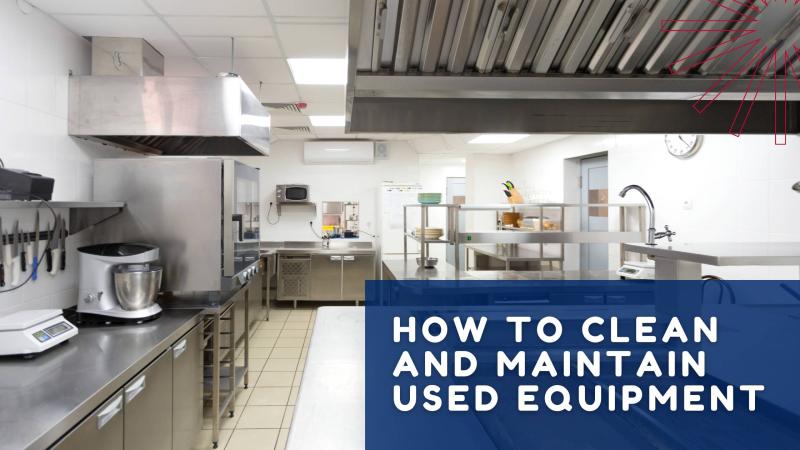
Buying used restaurant equipment can be a great way to save money when outfitting your commercial kitchen. However, used equipment may require a bit more care and maintenance than brand-new models. Proper cleaning and maintenance are essential to ensure used equipment operates safely and efficiently in a busy restaurant environment.
With some elbow grease and proactive maintenance, used equipment can function just as well as new. This guide will walk you through the key steps to effectively clean and maintain common types of used restaurant equipment.
Inspect Equipment Thoroughly Before Purchase
Before purchasing any used equipment, conduct a thorough inspection to identify any existing issues or damage. Carefully examine all surfaces and components and ask the seller questions about maintenance history and known problems. This will help avoid inheriting pre-existing maintenance headaches down the road.
Pay particular attention to the following areas when inspecting used equipment:
External housing - Check for dents, cracks, peeling surfaces, or paint that could indicate damage.
Internal components—If possible, open the unit and inspect internal parts like heating elements, motors, pipes, and wiring. Look for corrosion, leaks, loose connections, or other red flags.
Buttons and knobs - Make sure all controls function properly without sticking or catching.
Doors and hinges - Confirm doors open/close smoothly and seals are intact.
Electrical cord and plug - Examine for exposed wires, cracked plugs, or loose connections.
Leg assemblies - Verify legs are stable and adjustable, with no wobbling.
Addressing issues discovered during inspection upfront will make maintenance much smoother after purchase.
Give Equipment a Deep Clean
Once you've acquired used equipment, one of the first steps is giving it a thorough deep cleaning. This helps remove built-up grime and sanitizes surfaces. Follow these tips:
Wash Removable Parts
Disassemble the unit as much as possible and remove loose components like racks, trays, baskets, knobs and detachable panels.
Soak smaller removable parts in warm water mixed with a mild detergent or degreasing solution. For stuck-on food residue, let them soak for 20-30 minutes.
Use a soft bristle brush to scrub away any stuck-on debris gently. Avoid abrasive scouring pads or steel wool.
Rinse all parts with clean water and allow to fully air dry before reattaching to the appliance.
Clean Surfaces
Wipe down all external surfaces with a soft cloth, warm water, and mild detergent. Pay special attention to crevices and tight corners where grime collects.
For stainless steel surfaces, use a specialized stainless steel cleaner and polish to remove water spots and restore shine. Rub gently with a soft cloth in the direction of the grain.
Glass surfaces can be cleaned with a mixture of warm water and vinegar. Rinse and dry completely.
Scrub stubborn dried spills with a plastic scouring pad, avoiding harsh scrubbing that could scratch surfaces.
Rinse surfaces thoroughly with clean water and wipe dry with a soft towel.
Sanitize
After washing, sanitize all food-contact surfaces, such as counters, bins, and interior compartments, with a commercial sanitizing solution. Let it sit briefly, then rinse and air dry fully.
Bleach or quaternary ammonium (quat) sanitizers designed for commercial use work best. Strictly follow label instructions for concentration and contact time.
Sanitizing kills lingering bacteria for a safer, more hygienic operation. It's a smart final step when revitalizing used equipment.
Inspect and Repair Issues
Beyond a deep clean, inspecting equipment closely and addressing any damage or wear is critical for used appliances. Here are key areas to assess and steps for repairs:
Refrigeration System
For used refrigerators, freezers, and cold prep units, carefully inspect the refrigeration system:
Condenser coils: Use a brush and vacuum to remove dirt and debris that reduces efficiency. Straighten any bent fins with a fin comb.
Door seals - Replace any cracked, torn, or missing gaskets that allow cold air to escape.
Refrigerant lines - Look for leaks or kinks in lines that disrupt flow. Repair any punctures with epoxy sealant.
Evaporator: Check for accumulated frost or ice, which may indicate a refrigerant leak or airflow issue. Defrost and repair any leaks.
Thermostat - Verify thermostat maintains a set point temperature. Replace if faulty.
Compressor - Listen for abnormal noise that could indicate compressor damage. Replace faulty compressors.
Electrical System
Thoroughly inspect electrical components on used equipment:
Cord - Replace cords that are damaged, frayed, or missing the ground prong. Avoid taping or splicing repairs.
Internal wires and connectors - Check for wear like cracked wire insulation. Repair or replace damaged wiring.
Switches and controls—Ensure all power switches, thermostats, relays, and solenoids operate properly and replace defective parts.
Heating elements - Check resistance with a multi-meter. Replace burned-out heating elements.
Lights - Replace any burned-out or broken light bulbs. Check ballasts and sockets for damage.
Motors - Inspect for oil leaks, strange smells, or noises indicating issues. Repair or replace faulty motors.
Gas System
For used gas appliances, inspect key gas components:
Burner tubes - Clean clogged burner ports with a stiff wire. Clear obstructions and spider webs.
Pilot assembly - Adjust the pilot flame for proper height and blue color. Replace the pilot if faulty.
Gas lines - Check for leaks by spraying lines with soapy water. Fix leaks or replace damaged lines.
Regulators - Ensure gas pressure falls within the appliance's specifications. Replace faulty regulators.
Shut-off valves - Confirm valves fully stop gas flow when closed. Replace any defective valves.
Hydraulic Components
For equipment with plumbing like sinks, steamers, and dishwashers, check:
Pump impellers - Remove debris and limescale. Replace worn impellers.
Baskets/strainers - Clean and replace missing or damaged baskets and strainers.
Gaskets - Replace leaking, cracked, or missing gaskets on pumps, valves, and connections.
Piping - Inspect for clogging, leaks, or scale buildup. Repipe as needed.
Water jets/spray arms - Unclog blocked holes with pins. Adjust spray arms to target dish surfaces.
With repairs made, your used equipment will be in top working order.
Establish Preventative Maintenance Routines
Consistency is key for ongoing equipment maintenance. Establish daily, weekly, and monthly maintenance routines to keep used appliances running smoothly. Include tasks like:
Daily - Quick cleaning of surfaces, visual checks for issues, emptying debris trays.
Weekly - More thorough cleaning of parts like filters and drip trays, inspecting seals/gaskets.
Monthly - Test safety systems and deep clean neglected areas like condenser coils or motors.
Create maintenance checklists for staff with specific tasks and schedules for each appliance. Log task completions to track diligence. Perform repairs immediately when issues arise to prevent bigger problems. Following set PM routines religiously will maximize the lifespan of used equipment.
Key Parts to Replace Periodically
Some small parts on commercial equipment require periodic replacement as part of preventative maintenance. Common wear items to replace include:
Gaskets - Replace worn door seals and lid gaskets every 6-12 months.
Knobs and handles - Swap loose or missing knobs/handles as needed.
Light bulbs - Check and replace burned-out bulbs right away to maintain visibility.
Air filters - Filters on refrigeration units and hoods need changing every 3-6 months.
Squeegees - Change worn squeegees on dishwashers every 2-3 months.
Belts - Inspect belts on motors and compressors and replace them every 2-3 years or when cracking appears.
Having spare wear parts on hand makes replacement fast when issues pop up during busy shifts.
Keep Exterior Surfaces in Good Condition
Don't neglect the visible exterior surfaces of used equipment. Follow the tips to keep them looking their best:
Touch up flaking paint, rust spots, or worn surface coatings to maintain appearance and prevent damage.
Commercial services can remove dents and scratches for an almost new look.
Replace missing or damaged trim pieces, panels, handles, and knobs for a complete appearance.
Keep stainless steel clean and polished using a conditioner/polish formulated for stainless.
Repair any broken welds or adjustments to doors and hinges that aren't sitting straight.
Maintaining exterior surfaces keeps used equipment looking sharp and shows customers you care.
Conclusion
Cleaning and maintaining used restaurant equipment is essential for ensuring efficiency, safety, and longevity in your commercial kitchen. Regular inspections, deep cleaning, and preventative maintenance routines can extend the lifespan of your equipment, saving you money in the long run. Texas Restaurant Supply offers a wide selection of high-quality used restaurant equipment, making it easy to find cost-effective solutions for your business. With the right care and maintenance, your used equipment can perform just as well as new, helping your restaurant run smoothly and efficiently.
Name: Texas Restaurant Supply
Address: 3114 S Cooper St, Arlington, TX 76015, United States
Phone no. : (682) 252-4020
Post Your Ad Here
Comments