Balancing Stationary and Mobile Asphalt Plants for Optimal Supply Chain
When planning the road construction supply chain in a region, enterprises must carefully evaluate their options for asphalt production. Stationary asphalt plants for sale offer the advantage of large-capacity raw material silos and high-production mixing systems, making them ideal for long-term, stable, large-batch production. In contrast, mobile asphalt plants provide flexibility through modular design, making them better suited for scattered small-batch projects. By understanding the distribution density of projects and production cycle requirements, companies can determine the appropriate purchase ratio of these two types of equipment, ensuring efficient operations and cost optimization.
Assessing Project Distribution Density
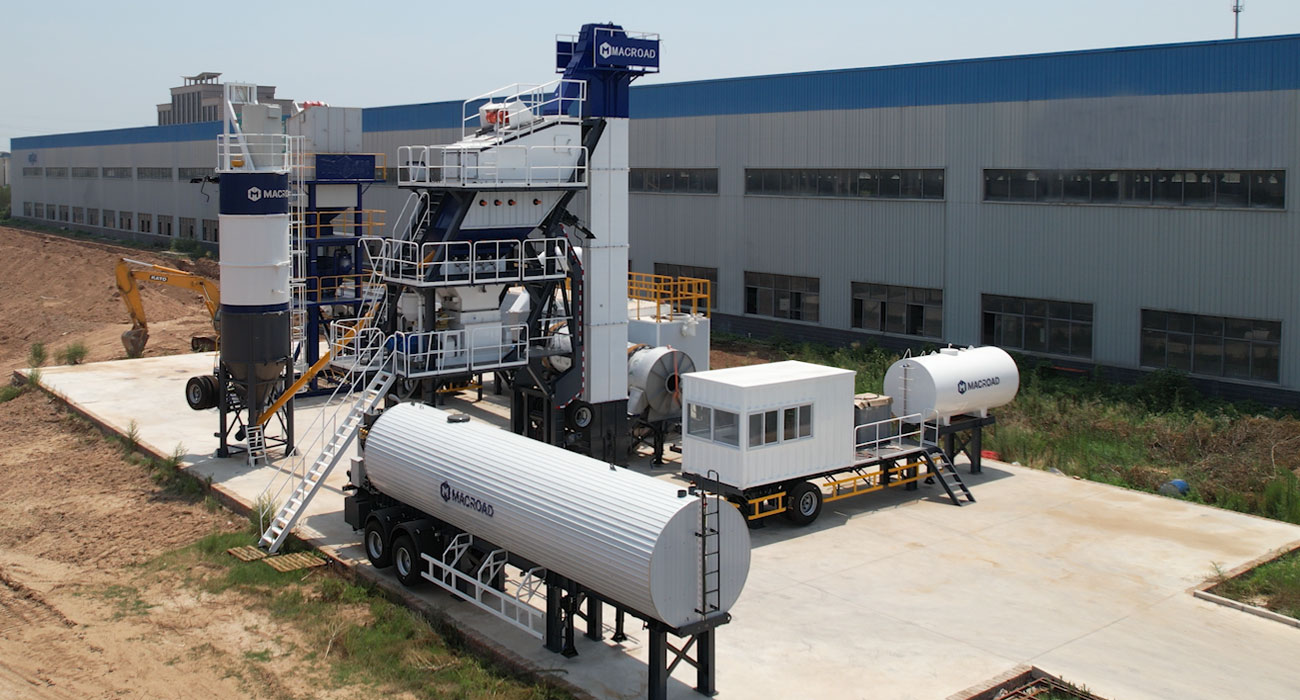
The distribution density of projects plays a critical role in determining the ideal mix of stationary and mobile asphalt plants. In urban areas where infrastructure projects are centralized, stationary asphalt plants are often the best choice. Their ability to handle large volumes of materials and maintain high production rates aligns well with the demands of extensive urban construction projects.
For example, a stationary asphalt plant for sale can provide the consistent supply of high-quality asphalt required for busy city roads and major construction efforts. In contrast, for more rural or scattered repair projects where demand may be lower, mobile asphalt plants become invaluable. Their portability allows for quick setup and production in various locations, catering to smaller, localized needs without the overhead of larger plants.
Understanding Production Cycle Requirements
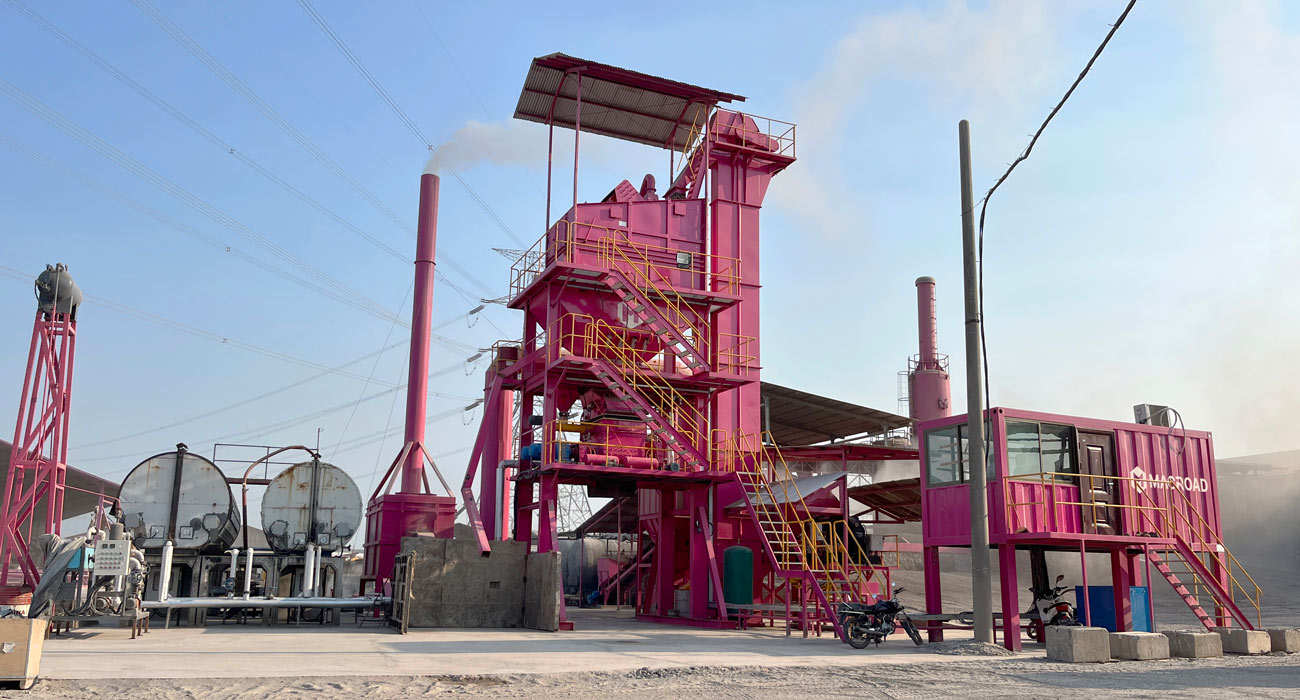
Production cycle requirements are another factor that enterprises must consider when evaluating their asphalt production needs. Projects with tight timelines and high output demands benefit significantly from the capabilities of stationary asphalt plants. These plants can continuously produce large batches of asphalt, ensuring that construction schedules are met without delays.
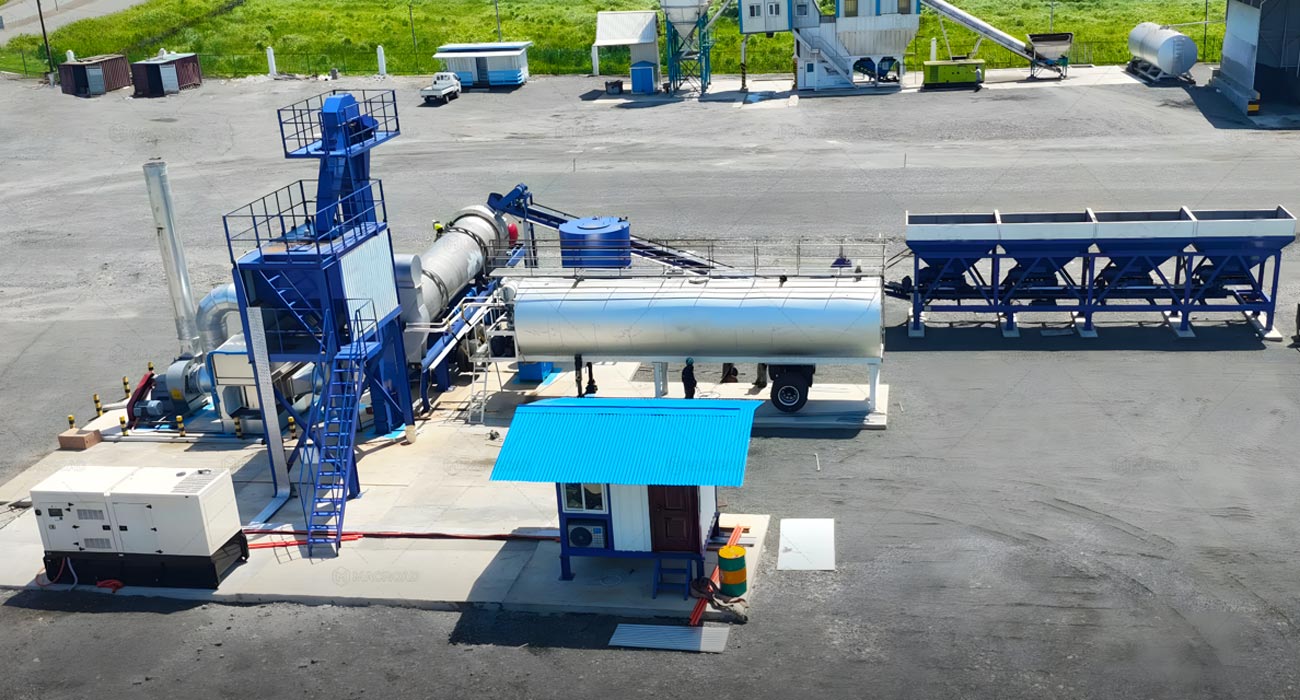
On the other hand, mobile asphalt plants excel in situations where flexibility is required. They can quickly adapt to changing project timelines and locations, making them ideal for small repairs or urgent maintenance work. By balancing the use of both types of equipment, enterprises can effectively meet varying production cycle demands, preventing bottlenecks and ensuring smooth workflow.
Optimizing Equipment Investment Costs
To avoid production capacity idleness or insufficient supply, it is essential for enterprises to strike the right balance between stationary and mobile asphalt plants. Over-reliance on a single type of equipment can lead to inefficiencies that either result in wasted resources or inability to meet demand.
For instance, investing too heavily in mobile asphalt plants in an area with concentrated urban projects may lead to underutilization of those assets. Conversely, relying solely on stationary plants for scattered rural projects might result in inadequate supply and increased transportation costs. By analyzing project distribution and production requirements, companies can optimize their equipment investment costs while ensuring that they have the right tools to meet their asphalt production needs.
Strategic Planning for a Balanced Approach
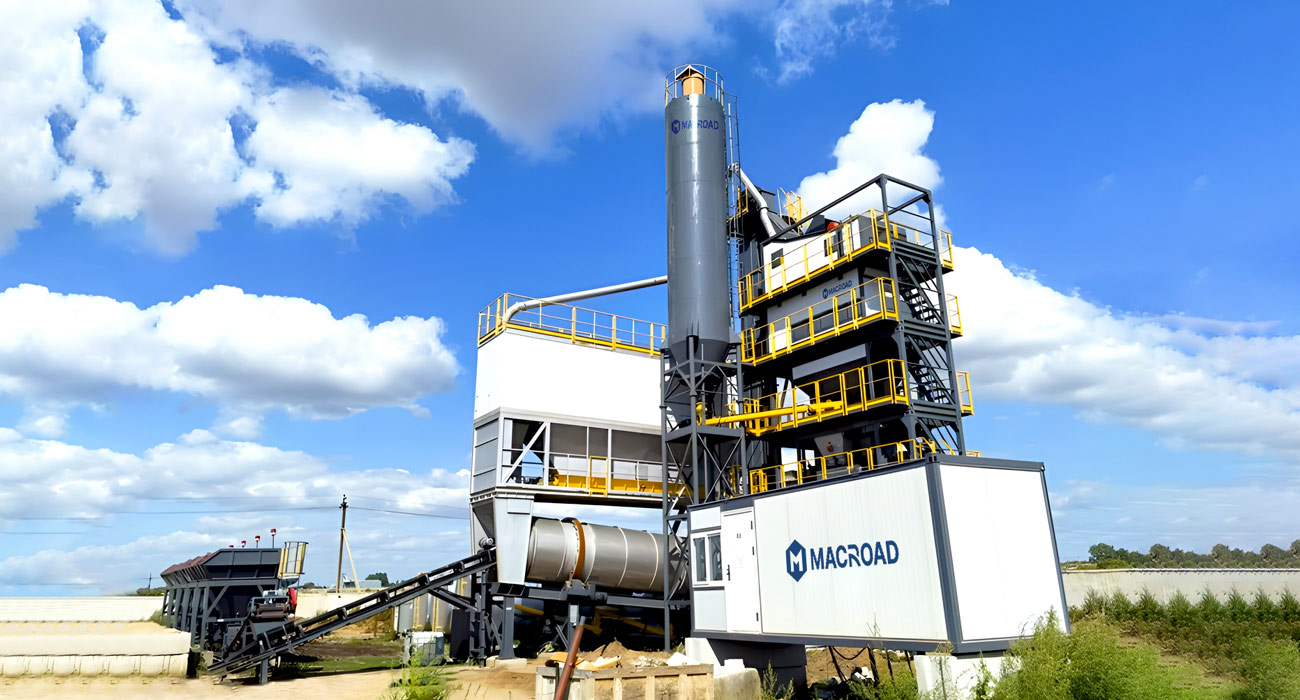
Strategic planning is crucial for determining the optimal purchase ratio of stationary asphalt plants and mobile asphalt plants. Enterprises should conduct a comprehensive assessment of their regional project landscapes, focusing on the density and types of projects they anticipate. This information can guide decisions on how many of each type of plant to acquire.
Additionally, implementing a flexible operational strategy that allows for the quick deployment of mobile plants where necessary can enhance overall efficiency. Companies like Macroad are well-positioned to provide guidance on how to effectively integrate both types of equipment into a cohesive supply chain strategy.
Conclusion: Achieving Efficiency in Asphalt Production
In conclusion, effectively balancing stationary asphalt plants for sale and mobile asphalt plants is essential for optimizing the road construction supply chain. By carefully assessing project distribution density and production cycle requirements, enterprises can make informed decisions that prevent inefficiencies and ensure a steady supply of asphalt.
This strategic approach not only maximizes equipment utilization but also helps control investment costs, leading to more successful outcomes in road construction projects. By leveraging the strengths of both stationary and mobile plants, companies can enhance their operational efficiency and responsiveness to diverse project demands.
Post Your Ad Here
Comments