Malaysia's tropical rainforest and monsoon climate present unique challenges for local asphalt plants (asphalt plant Malaysia), particularly regarding high temperatures and heavy rainfall throughout the year. For asphalt plants utilizing mobile asphalt batch mixing plants, it's crucial to implement effective rainproof and moisture-proof designs. This article discusses strategies for optimizing equipment protection and raw material storage solutions to prevent rainwater infiltration, ensuring consistent production quality during the rainy season.
Understanding the Challenges of Malaysia’s Climate
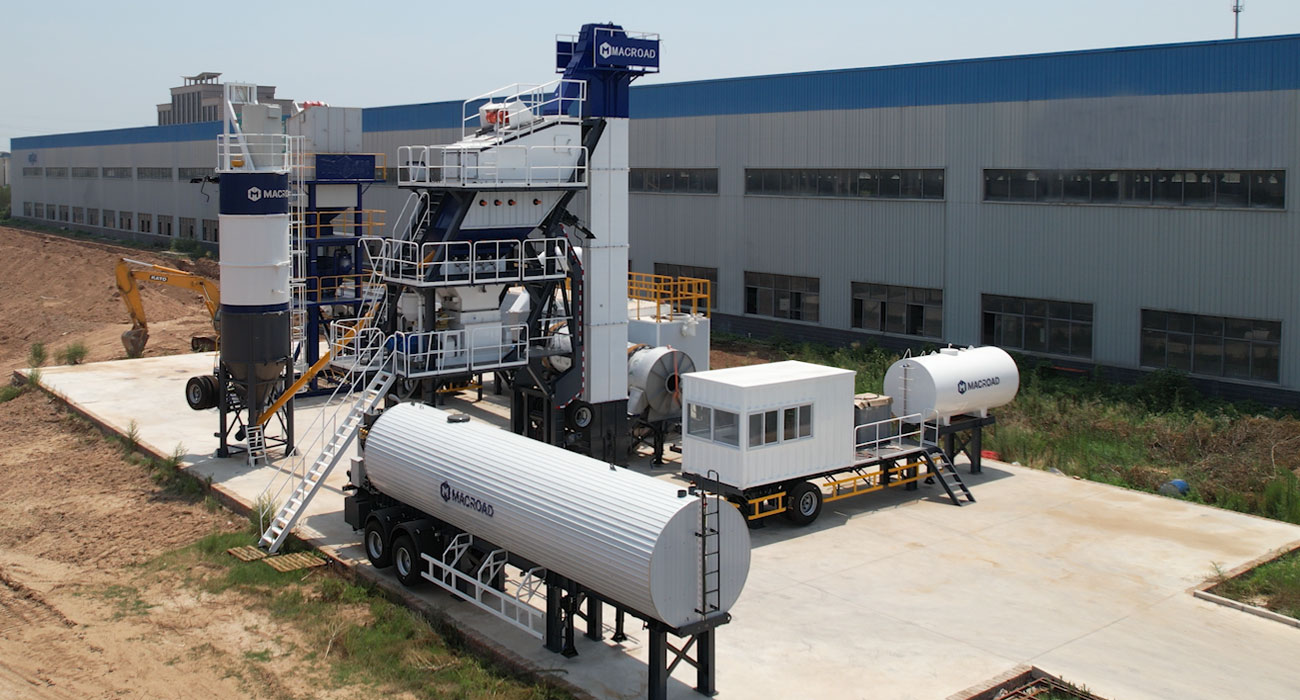
The high humidity and frequent rainfall in Malaysia can pose significant risks to asphalt production. Rainwater can seep into raw materials and equipment, leading to reduced mixture quality and potential failures in electrical components. Moreover, interruptions in production due to weather conditions can hamper project timelines and increase costs.
To mitigate these challenges, asphalt plants must prioritize the design and functionality of their mobile asphalt batch mixing plant. This involves not only protecting the equipment but also ensuring that raw materials remain dry and usable, regardless of external weather conditions.
Implementing Rainproof Equipment Designs
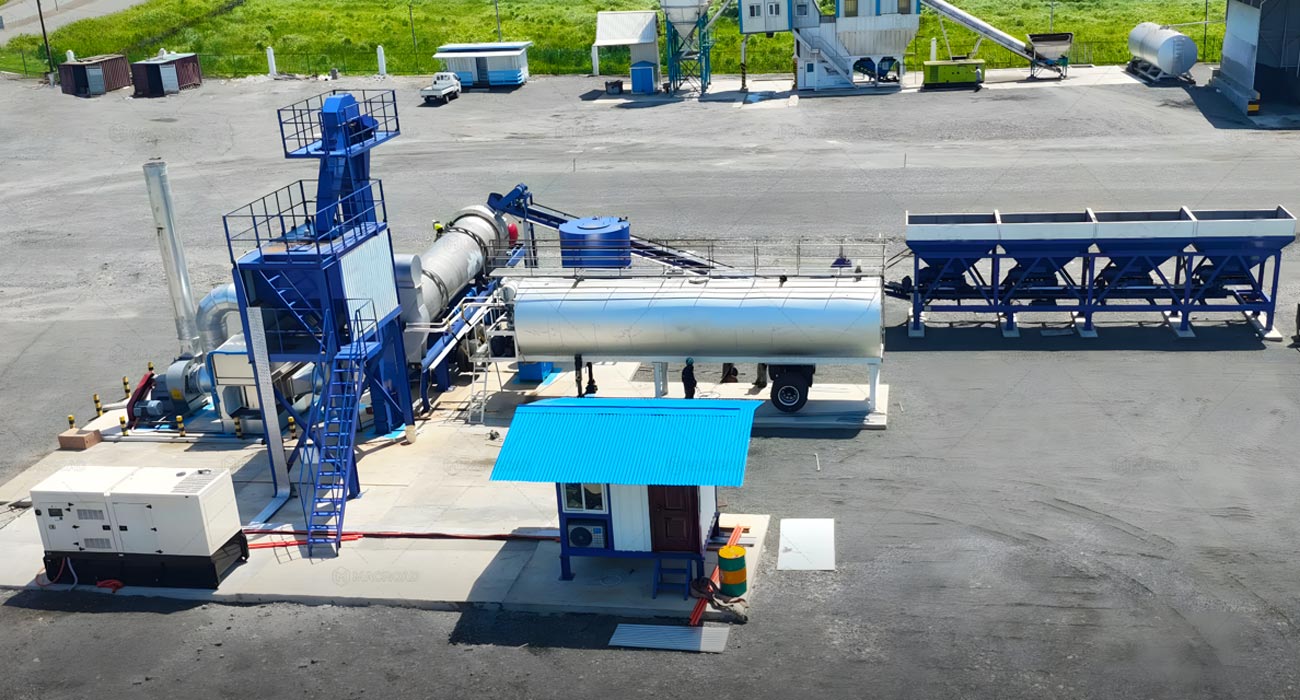
One of the primary strategies for optimizing mobile asphalt batch mixing plants is to enhance their rainproof design. Installing sealed rain shields around the mixing host can protect the equipment from direct exposure to rain, minimizing the risk of water intrusion. These shields can be designed to channel water away from critical components, ensuring they remain operational even during heavy downpours.
In addition to rain shields, adopting waterproof electrical control boxes is essential. These boxes serve as the nerve center for the plant's operations, and any moisture exposure can lead to malfunction or failure. By using waterproof materials and ensuring all electrical connections are secure and protected, asphalt plants can significantly reduce the risk of electrical failures during rainy weather.
Enhancing Raw Material Storage Solutions
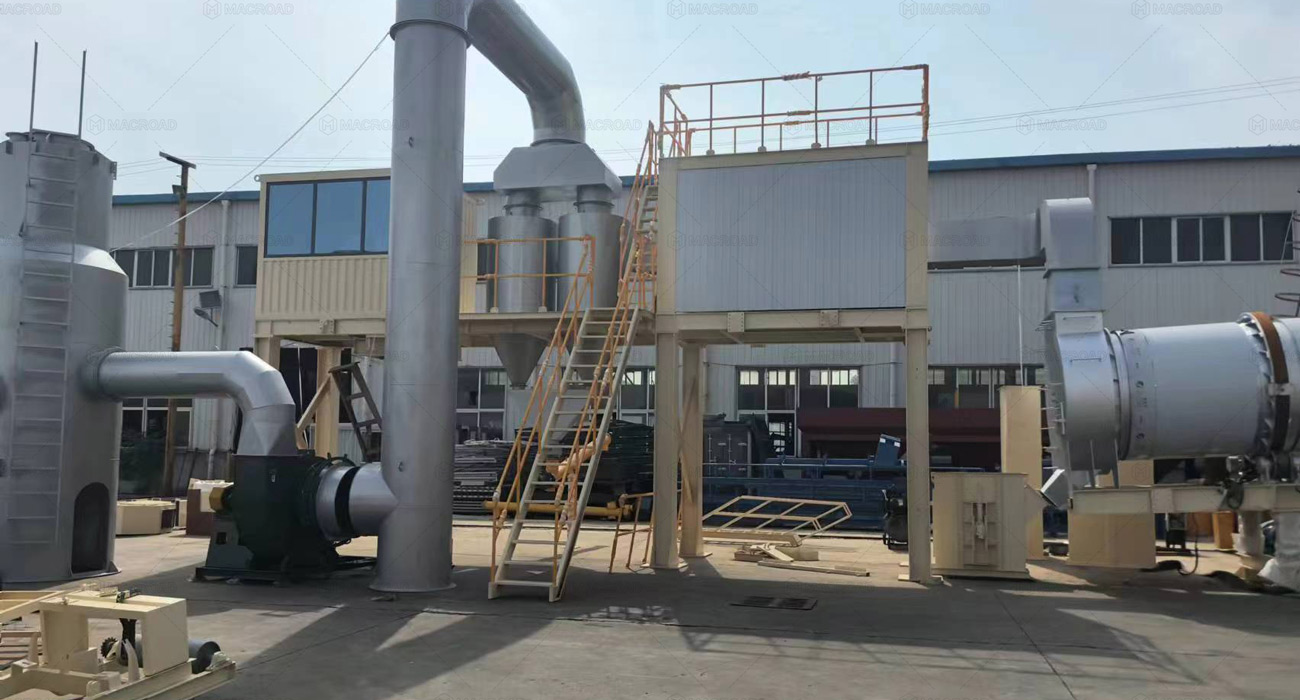
Ensuring the quality of raw materials is equally important in a rainy climate. To prevent rainwater from seeping into the aggregates, asphalt plants should configure aggregate silos with canopies. These canopies provide a protective barrier, keeping the raw materials dry and preventing contamination that could compromise the quality of the asphalt mix.
Additionally, using moisture-resistant materials for storage and transport can help maintain the integrity of the raw aggregates. Regular inspections of storage facilities should also be conducted to identify and address any potential vulnerabilities before they result in significant issues.
Ensuring Continuous Production During Rainy Seasons
The ultimate goal of optimizing mobile asphalt batch mixing plants in Malaysia’s climate is to ensure continuous production, even during the rainy season. By implementing robust rainproof designs and effective storage solutions, asphalt plants can minimize the impact of adverse weather on their operations.
Training staff to recognize the signs of moisture-related issues and to perform regular maintenance checks is essential. This proactive approach can help identify problems early, allowing for quick resolutions before they disrupt the production process.
Moreover, establishing a contingency plan for extreme weather conditions can further enhance operational resilience. This plan may include alternative production schedules or backup equipment that can be deployed when weather conditions become particularly challenging.
Conclusion: Achieving Resilience in Asphalt Production
In conclusion, optimizing asphalt plant malaysia tropical rainforest and monsoon climate is essential for maintaining production quality and efficiency. By focusing on rainproofing equipment designs and enhancing raw material storage solutions, asphalt plants can effectively prevent rainwater infiltration and its associated risks.
These strategies not only protect the equipment and materials but also ensure that production can continue seamlessly, regardless of weather conditions. By prioritizing these design considerations, asphalt plants in Malaysia can enhance their operational resilience and deliver high-quality asphalt consistently, even during the rainy season.
Comments