Balancing Mobility and Efficiency in Asphalt Mixing Plant Design
When developing mobile asphalt mixing plants, asphalt drum mix plant manufacturers face the challenge of combining the core advantage of continuous drum mixing with the mobility that mobile equipment demands. The large-scale nature of drum mixing can conflict with the lightweight and modular requirements essential for effective transportation and quick assembly. This article explores how manufacturers can balance these conflicting requirements through structural innovations to ensure both heating efficiency and mixing uniformity, while maintaining the ability to disassemble and transport the equipment.
Structural Innovations for Enhanced Mobility
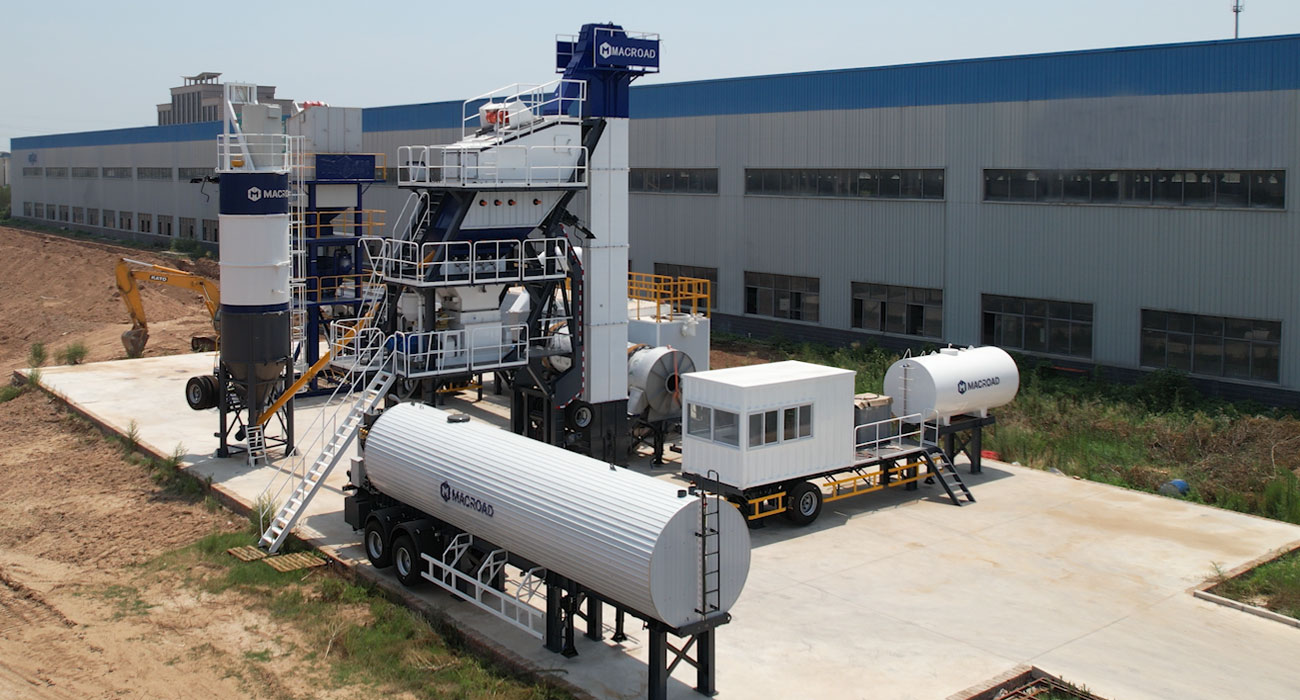
To address the inherent conflict between the size of the asphalt drum and the need for mobility, asphalt drum mix plant manufacturer can implement structural innovations such as a segmented drum design. By designing the drum in 2-3 segments that can be quickly connected on-site, manufacturers can ensure that the equipment remains lightweight and modular. This approach not only facilitates easier transportation but also allows for rapid assembly at the construction site.
The connection structure between segments is critical to the success of this design. It must provide strong sealing performance to prevent material leakage and heat loss during operation. By employing advanced sealing technologies and robust connection mechanisms, manufacturers can ensure that the segmented drum maintains the integrity needed for efficient continuous mixing.
Optimizing Internal Layout for Efficiency
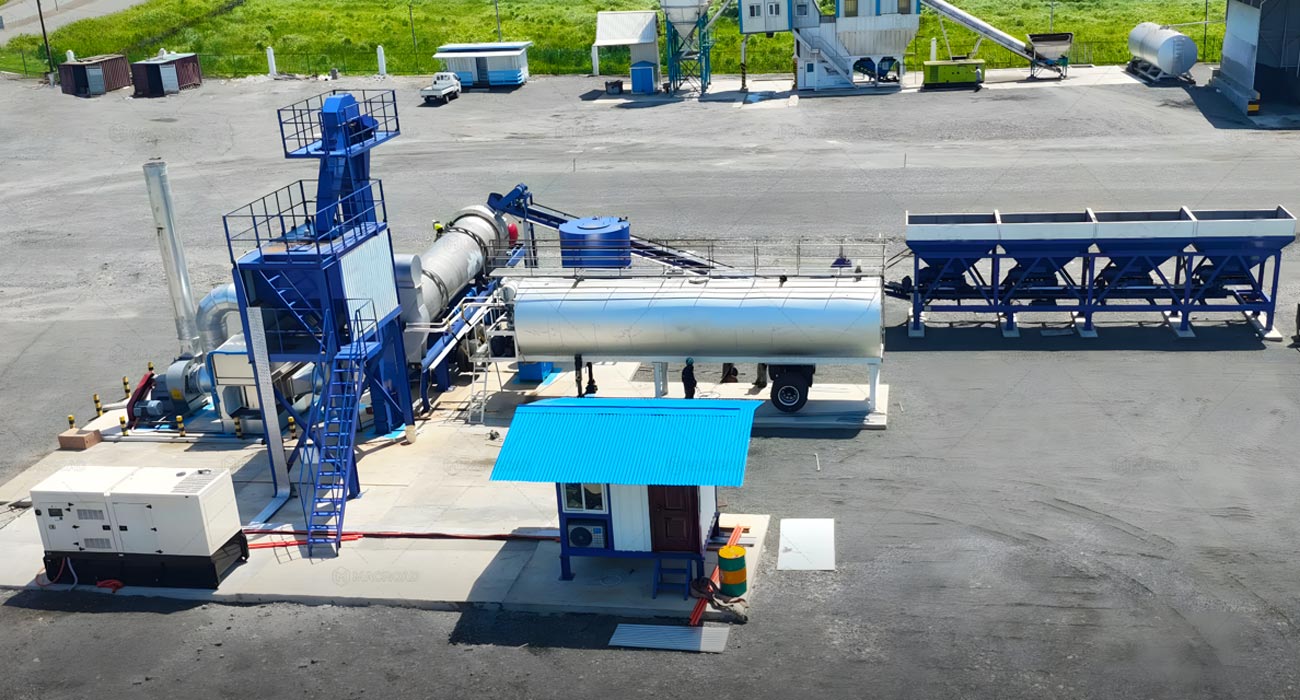
In addition to the segmented design, the internal layout of the drum plays a vital role in achieving both lightweight construction and effective mixing. Optimizing the arrangement of lifting plates inside the drum can help reduce material usage while ensuring that aggregates and asphalt are thoroughly mixed. This careful design consideration allows manufacturers to achieve a balance between the structural integrity of the drum and the materials required for construction.
Furthermore, using computational modeling and simulation during the design phase can enhance the understanding of material flow dynamics within the drum. By analyzing how materials interact with the lifting plates, manufacturers can refine the design to ensure optimal mixing performance while minimizing excess weight.
Material Research and Development Requirements
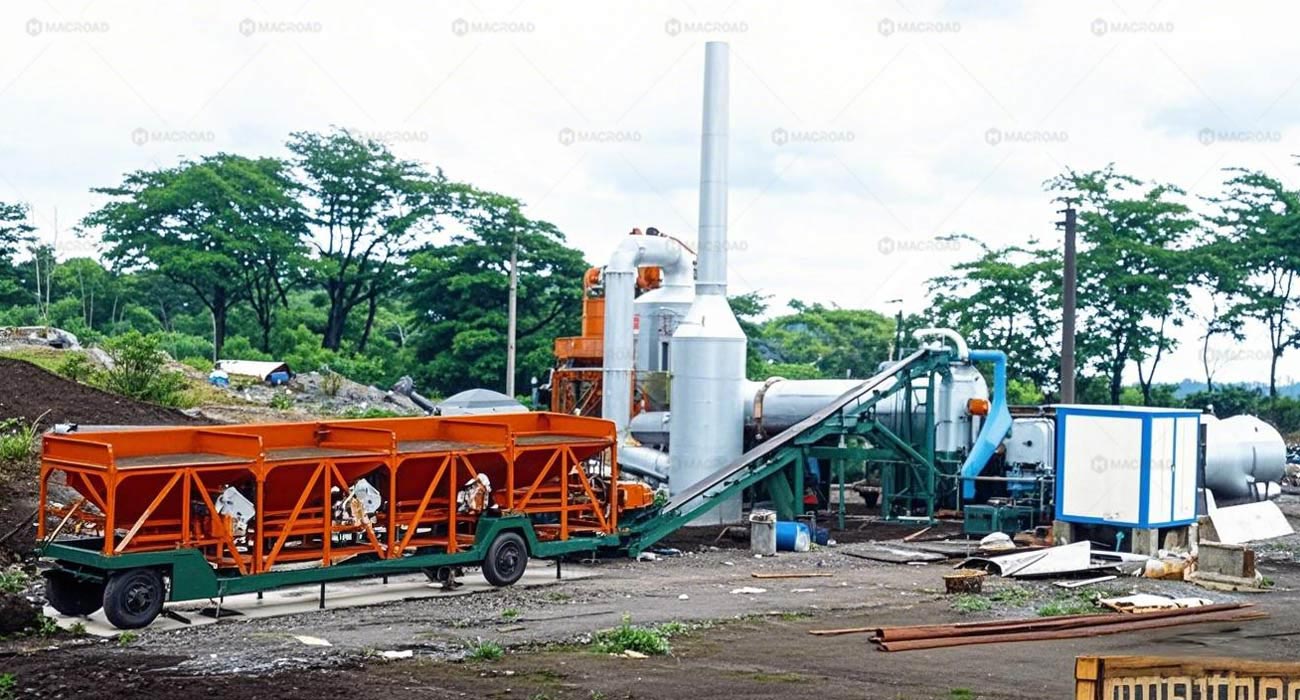
The pursuit of lightweight and high-strength materials imposes significant requirements on the R&D capabilities of asphalt drum mix plant manufacturers. Selecting high-temperature resistant lightweight alloys is essential for maintaining the durability and performance of the drum under operational conditions. These materials must not only withstand the heat generated during the mixing process but also remain lightweight enough to facilitate easy transportation.
Moreover, the process design level must be advanced enough to control the accuracy of module docking. Precision in the assembly of segments is crucial for maintaining the overall performance of the mobile asphalt mixing plant. Manufacturers must invest in high-quality fabrication techniques and quality control measures to ensure that each module fits together seamlessly, preserving the efficiency and functionality of the drum.
Performance Considerations Compared to Fixed Plants
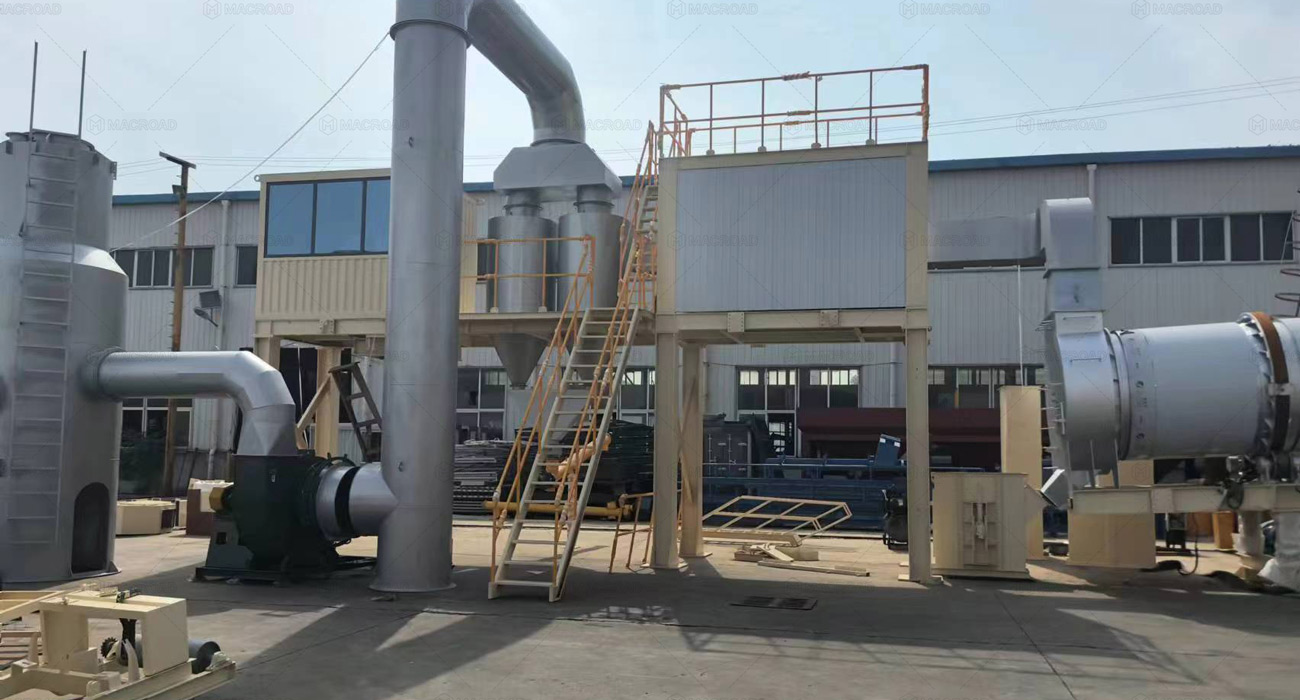
While mobile asphalt mixing plants offer numerous advantages, there are inherent compromises in core performance compared to traditional fixed drum mixing plants. For example, the segmented design may lead to slight variations in mixing efficiency due to potential gaps at the joints. However, these compromises can be mitigated through technical solutions such as enhanced sealing techniques, advanced mixing technology, and real-time monitoring systems that adjust operational parameters based on performance feedback.
Additionally, continuous research and development efforts can help bridge the performance gap. By regularly evaluating and updating the design and materials used in mobile asphalt mixing plants, manufacturers can further enhance the operational efficiency and effectiveness of their products.
In conclusion, the balance between mobility and efficiency in the design of asphalt mixing plant mobile units is achievable through innovative structural solutions, material advancements, and precise process design. By focusing on these areas, asphalt drum mix plant manufacturers can produce mobile plants that meet the demands of modern construction while ensuring high-quality asphalt mixtures. This strategic approach not only improves operational efficiency but also positions manufacturers competitively in the evolving market for mobile asphalt solutions.

Post Your Ad Here
Comments