Against the backdrop of diverse regional requirements for pavement materials, such as high-temperature resistance and wear resistance, properly matching asphalt batch plants for sale with hot mixing plants is essential. This strategic alignment helps optimize mixture production and effectively meets localized market demand. This article examines the importance of this integration and its implications for asphalt production.
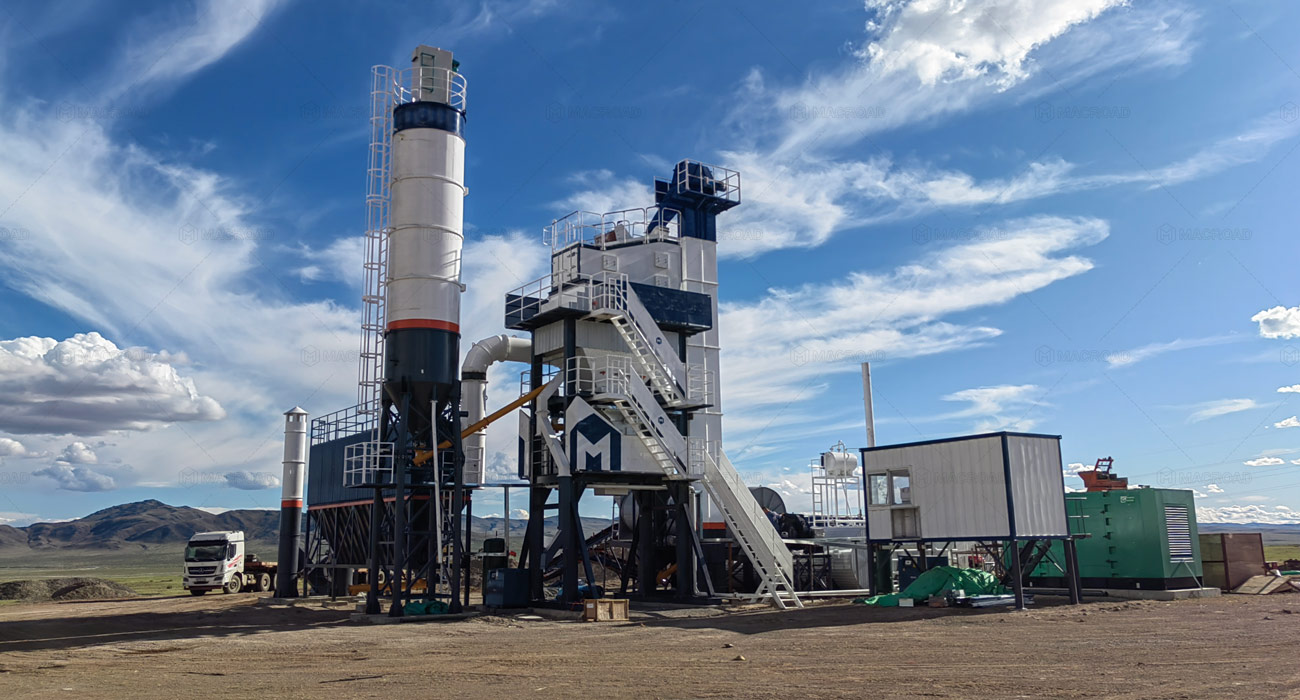
Understanding Regional Requirements for Asphalt Mixtures
Different regions often have varying demands for asphalt mixtures based on local climate conditions, traffic patterns, and road usage. For example, areas experiencing high temperatures may require asphalt that can withstand heat without deforming, while regions with heavy traffic may prioritize wear resistance to enhance pavement longevity.
Recognizing these specific requirements is vital for asphalt producers. By understanding the distinct needs of their local market, producers can make informed decisions about which asphalt batch plants for sale are best suited for their operations. This targeted approach not only enhances product quality but also builds credibility in the local construction community.
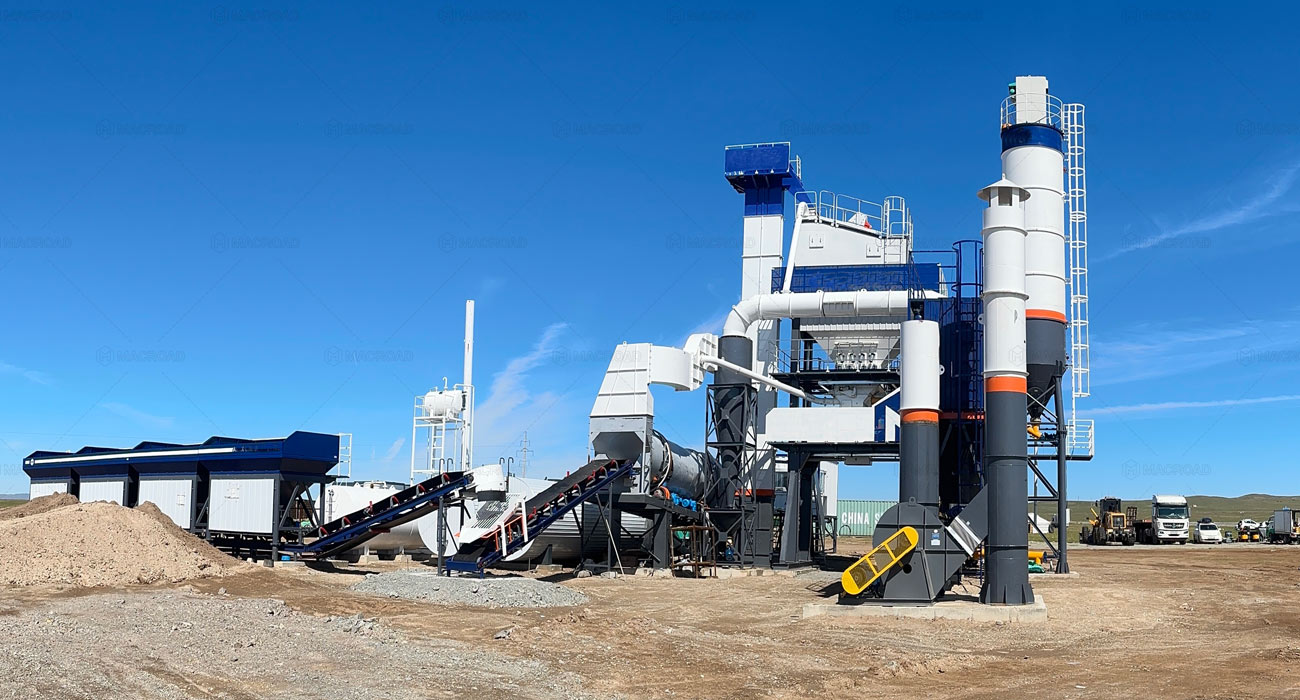
Aligning Asphalt Batch Plants for Sale with Hot Mixing Plants
To effectively meet regional demands, it is crucial to align asphalt batch plants for sale with hot mixing plants that can produce asphalt tailored to specific requirements. Hot mixing plants are known for their ability to produce high-quality asphalt at elevated temperatures, which is essential for certain applications.
When selecting asphalt batch plants for sale, producers should consider features such as mixing capacity, temperature control systems, and material compatibility. The ability to produce asphalt that meets local specifications will facilitate better performance in the field, leading to longer-lasting and more durable pavements.
By integrating the capabilities of hot mixing plants with asphalt batch plants, producers can ensure a seamless production process that yields a superior product tailored to fit regional pavement requirements.
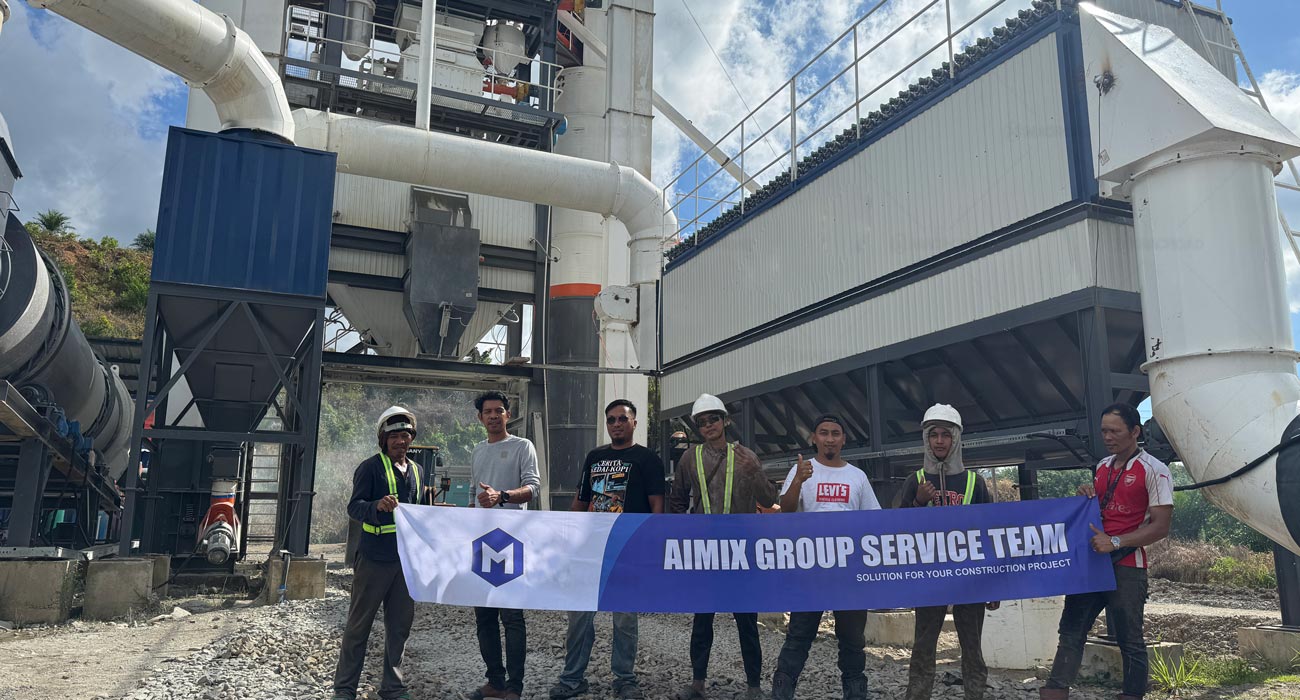
Enhancing Production Efficiency and Quality Control
Integrating asphalt batch plants for sale with hot mixing plants not only meets regional specifications but also enhances overall production efficiency. Together, these systems can streamline the asphalt production process, ensuring that the right materials are mixed in the appropriate conditions.
Having an optimized production system allows for better quality control throughout the entire process. With precise temperature management facilitated by hot mixing plants, consistency in asphalt mixtures can be maintained. This is especially crucial when producing high-performance asphalt that needs to endure varying conditions over time.
The synergy between the two plant types fosters an environment of continuous improvement, enabling producers to adapt quickly to changing market demands while ensuring the highest product quality.

Addressing Cost Management in Asphalt Production
Implementing advanced asphalt batch plants for sale and hot mixing plants can also play a vital role in cost management. By investing in technology that aligns production capabilities with regional needs, asphalt producers can minimize waste and maximize resource efficiency.
For instance, precise temperature control reduces energy consumption and lowers operational costs. Furthermore, optimizing the mixture to meet specific performance requirements decreases the likelihood of costly repairs and resurfacing in the future. This proactive approach not only benefits the profit margins of asphalt producers but also contributes to a more sustainable production cycle.
By focusing on effective cost management strategies through the combination of asphalt batch plants and hot mixing plants, producers can strengthen their competitive position within localized markets.
Conclusion
In conclusion, matching asphalt batch plants for sale with hot mixing plant is essential for optimizing mixture production and meeting regional pavement material demands. By understanding the diverse requirements of local markets, producers can select the appropriate plant technologies that facilitate the production of high-quality asphalt mixtures. The integration of these systems not only enhances production efficiency and quality control but also supports effective cost management. As the asphalt production landscape continues to evolve, this strategic alignment will be crucial for long-term success in a competitive industry. Embracing this approach enables asphalt producers to meet the challenges of diverse regional demands while maintaining high standards of quality and performance.

Comments