Selecting the Right Production Capacity for Mobile Asphalt Drum Mix Plants
Mobile asphalt drum mix plants are ideal for large-scale projects requiring continuous material supply due to their efficient mixing process. The mobile asphalt plant cost is closely tied to the production capacity configuration, making it essential for businesses to accurately determine their equipment needs. By aligning the production capacity with project construction periods and daily mixture consumption, companies can avoid unnecessary costs from "excess capacity" or delays from "insufficient capacity." This article explores how to achieve an optimal balance between cost and demand.
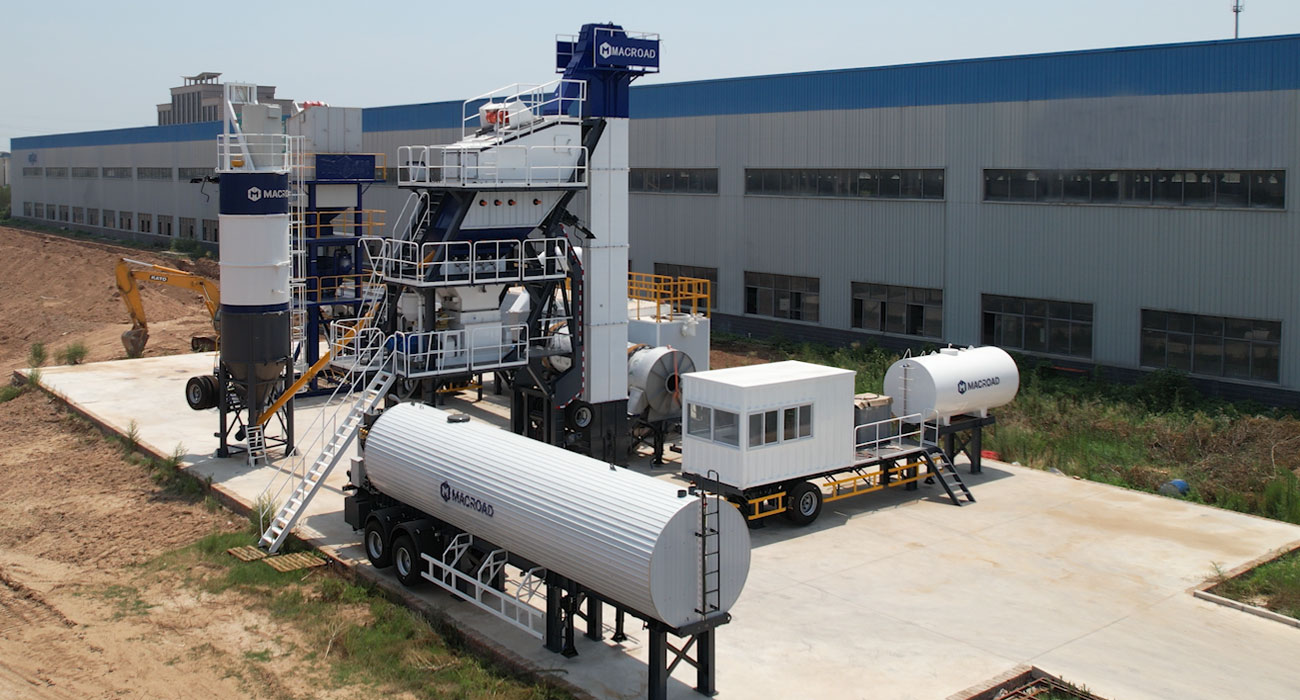
Understanding Project Requirements
Before selecting a mobile asphalt drum mix plant, it is crucial to have a clear understanding of the project requirements. This includes evaluating the construction period, the volume of material needed, and the daily mixture consumption rates.
Accurate calculations of daily asphalt needs can help determine the required production capacity. For instance, if a project demands 100 tons of asphalt per day, selecting a plant capable of producing at least that amount will ensure that the project stays on schedule. Additionally, understanding the project timeline allows operators to factor in any potential delays or interruptions that could affect production needs.
In this way, operators can set realistic expectations for both the equipment's capacity and the project's timeline, reducing the risk of cost overruns or delays.
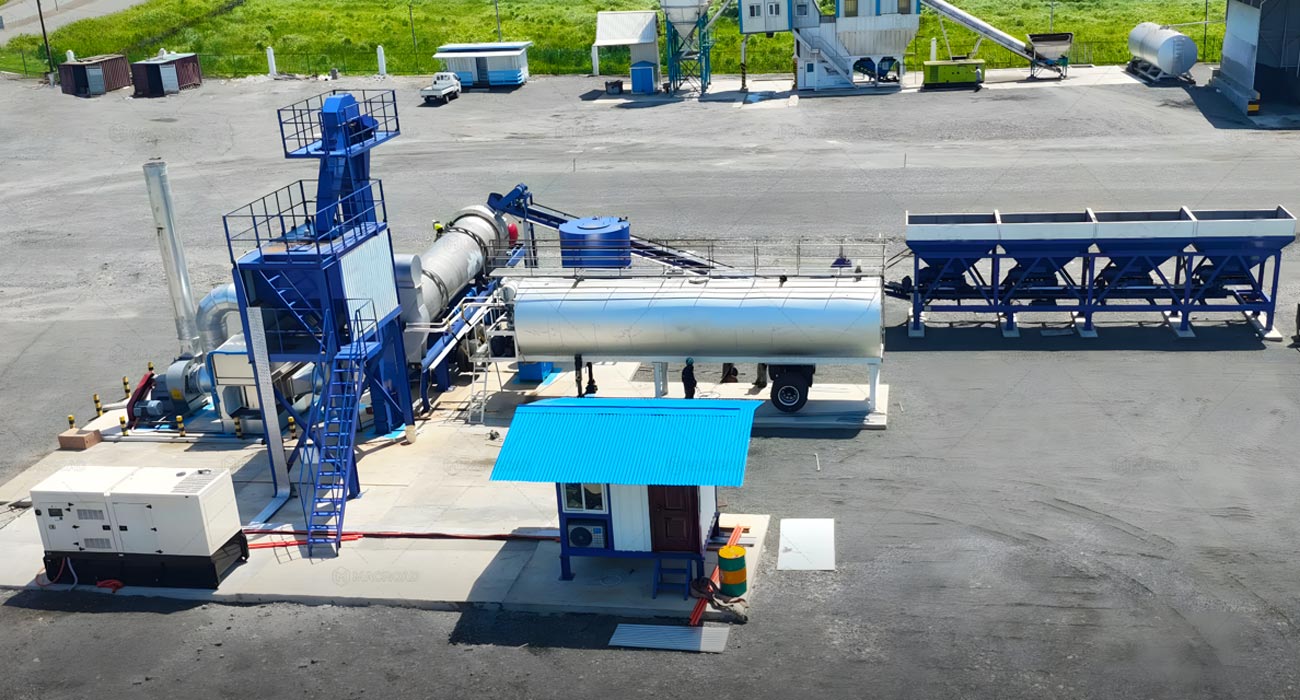
Evaluating Mobile Asphalt Plant Cost
The mobile asphalt plant cost varies significantly based on the production capacity and features of the equipment. Higher-capacity plants typically come with a larger price tag, but the investment may be justified based on project scale and requirements.
When evaluating costs, operators should consider not only the initial purchase price but also ongoing operational expenses such as fuel consumption, maintenance, and labor. A more efficient plant may come with a higher upfront cost but can offer savings in the long term through reduced operational costs.
Companies should conduct a cost-benefit analysis to compare different models and configurations, ensuring that they choose a plant that meets their production needs without exceeding their budget.
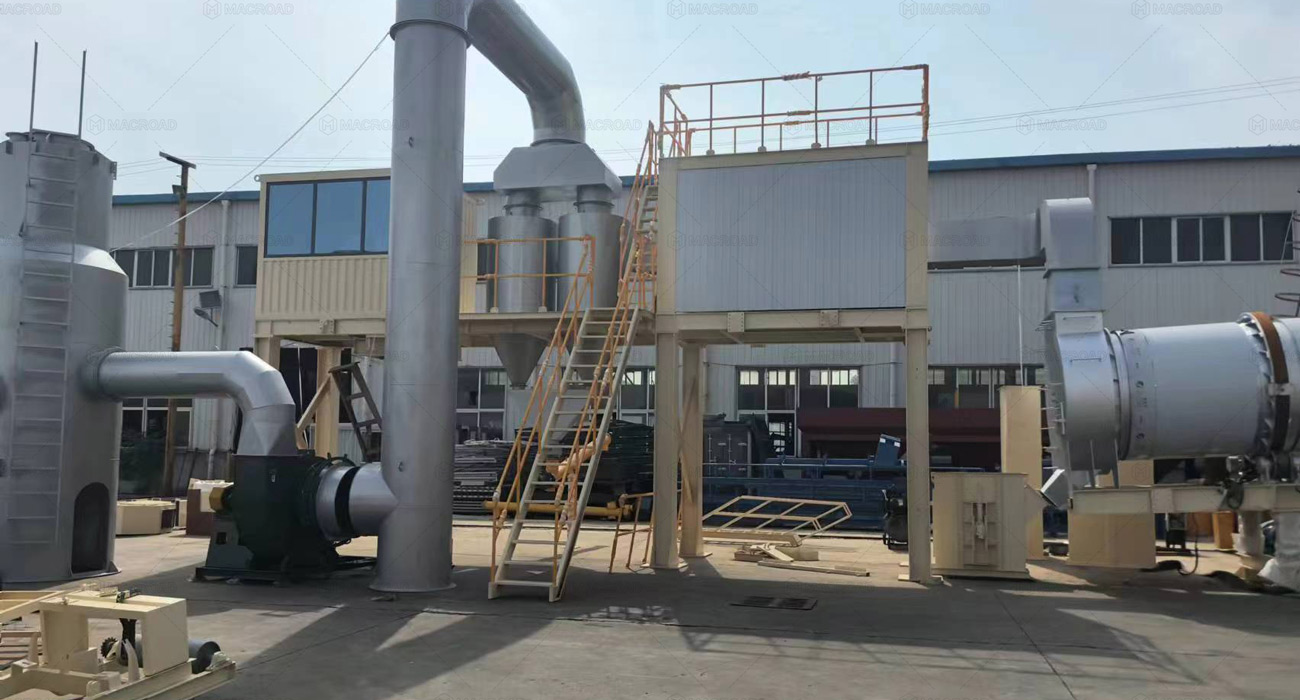
Balancing Capacity with Demand
To avoid the pitfalls of both excess and insufficient capacity, businesses should adopt a strategic approach to selecting their mobile asphalt drum mix plant.
In some cases, it may be beneficial to choose a plant with slightly higher capacity to account for unexpected increases in demand or project scope changes. However, this should be balanced against the risk of underutilization, which can lead to wasted resources and higher operational costs.
Conversely, opting for a plant that is too small can result in production bottlenecks and delays, jeopardizing project timelines. Regularly reviewing project forecasts and adjusting equipment and capacity needs accordingly can help maintain this balance.
Conclusion: Making Informed Decisions
Selecting the appropriate production capacity for mobile asphalt drum mix plants is critical for ensuring project efficiency and cost-effectiveness. By understanding project requirements, evaluating mobile asphalt plant costs, and balancing capacity with demand, businesses can make informed decisions that align with their operational goals.
Investing time in careful planning and analysis allows companies to maximize their resources, avoid unnecessary costs, and maintain smooth project execution. Ultimately, achieving the right balance between equipment capacity and project needs is key to successful asphalt production and paving operations.

Post Your Ad Here
Comments