The Role of Valve Lockout Devices in Ensuring Safety and Compliance at Industrial Worksites
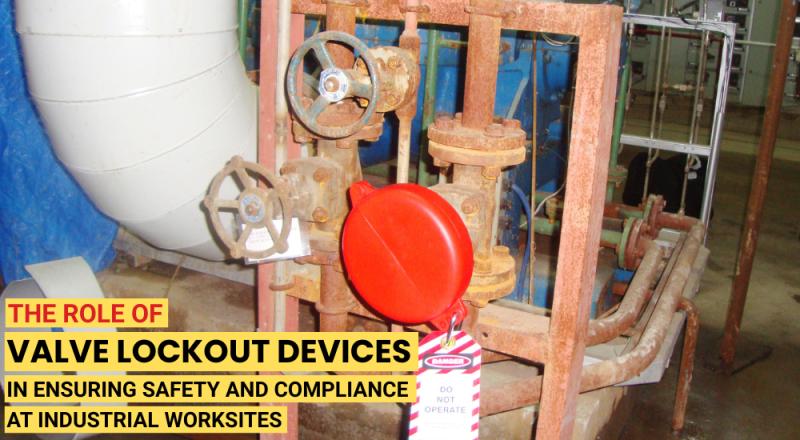
In high-risk industrial environments,
where machinery and energy systems operate under intense pressure, the margin
for error is razor-thin. One overlooked valve, one unauthorized restart, and
the consequences can be catastrophic - injuries, fatalities, legal liabilities,
and operational downtime. That’s why valve lockout devices have become a
cornerstone of modern safety protocols, especially in industries like oil &
gas, manufacturing, chemicals, and utilities.
What are Valve Lockout Devices?
Valve lockout devices are
engineered tools designed to physically prevent the operation of valves during
maintenance, servicing, or shutdown procedures. Whether it’s a ball valve, gate
valve, butterfly valve, or plug valve, these devices ensure that no one can
accidentally or intentionally open or close a valve while work is in progress.
They are a critical part of any
Lockout Tagout system, which aims to isolate energy sources and protect workers
from unexpected releases of hazardous energy - be it electrical, mechanical,
hydraulic, or pneumatic.
Types of Valve Lockout Devices:
Valve lockouts come in various forms
to suit different valve types and operational environments:
· Gate Valve Lockouts: Enclose the handwheel to block access and prevent
accidental operation. Made from durable, chemical-resistant materials for harsh
environments. Available in multiple diameters with high visibility and tagging
options.
· Ball Valve Lockouts: Clamp securely over the lever handle to prevent
rotation during maintenance. Ideal for isolating pipelines carrying gases,
liquids, or chemicals. Available in various sizes for standard and oversized
valve handles.
· Butterfly Valve Lockouts: Secure the handle in the off position using a
clamp-and-lock mechanism. Prevent accidental activation in compact or tight
valve setups. Quick to install and suitable for confined industrial spaces.
· Universal Valve Lockouts: Adjustable devices that fit a wide range of valve
types and sizes. Ideal for non-standard or irregular valve designs across
industries. Offer flexible, cost-effective solutions for diverse equipment.
Each device is typically paired with
a lockout padlock and a tag that identifies the
authorized person responsible for the lockout, reinforcing accountability and
visibility.
Why Valve Lockouts Matter?
1.
Preventing Accidents: Valves
control the flow of hazardous substances - steam, gas, chemicals, or
pressurized liquids. If a valve is opened during maintenance, it can release
energy that causes burns, explosions, or toxic exposure. Lockout devices
eliminate this risk by ensuring valves remain in a safe position.
2.
Ensuring Compliance: Global
safety standards like OSHA 1910.147 in the United States mandate the
use of lockout systems to control hazardous energy. Non-compliance can result
in hefty fines, legal action, and reputational damage. Valve lockouts are a
visible and verifiable way to meet these requirements.
3.
Empowering Safety Culture: When
workers see that their organization invests in proper lockout tools, it sends a
clear message: safety is non-negotiable. It encourages teams to follow
procedures, speak up about risks, and take ownership of their environment.
4.
Reducing Downtime: Accidents
and emergency shutdowns cost time and money. By preventing unauthorized valve
operation, lockout devices help ensure that maintenance is completed safely and
efficiently, minimizing disruptions.
Integration with Broader LOTO Systems:
Valve lockouts are most effective when integrated into a comprehensive LOTO program that includes:
· Written procedures for each machine or system
· Training for authorized and affected employees
· Visual aids like tags, signs, and diagrams
· Audits and inspections to ensure ongoing compliance
When combined with electrical
lockouts, group lockout boxes, and software-based procedure systems, valve
lockouts become part of a holistic safety ecosystem.
Choosing the Right Valve Lockout Devices:
When selecting valve lockout devices,
consider:
· Material durability (especially for outdoor or
corrosive environments)
· Compatibility with valve types and sizes
· Ease of use for technicians
· Visibility and tagging options
· Compliance certifications
Working with a trusted supplier
ensures that your devices are not only effective but also aligned with your
industry’s specific risks and regulatory landscape.
Conclusion
Valve lockout devices are more than
just tools - they’re a frontline defense against industrial accidents. By
physically securing valves, they protect lives, ensure compliance, and
reinforce a culture of safety. In today’s fast-paced industrial world, where
every second and every worker counts, investing in high-quality valve lockouts is
not just smart - it’s essential.
Post Your Ad Here
Comments