How to Reduce Construction Downtime
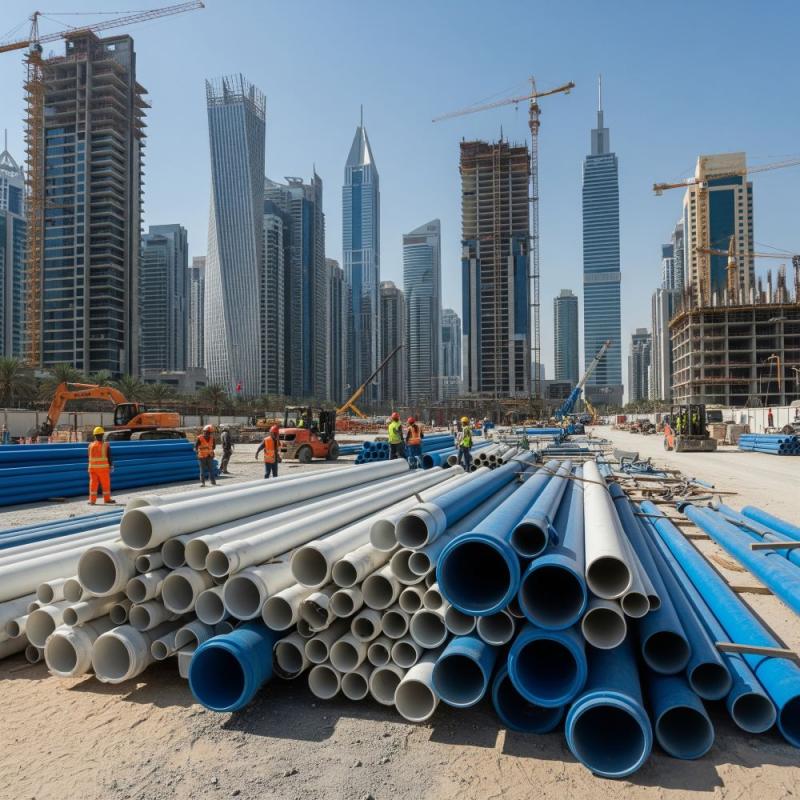
The construction sector in Dubai continues to thrive. There are plenty of projects to keep your company busy. But along with lucrative opportunities comes stiff competition, which means presenting projects that meet client expectations to get ahead.
When it comes to client requirements, delivery can be non-negotiable, which means completing construction on time and on budget. What happens when downtime holds back activity for weeks?
What Causes Downtime in Construction Sites?
Whether your company focuses on commercial or residential projects, unplanned downtime can compromise construction timelines, which your client has signed off on. In contrast, planned downtime is necessary to ensure the smooth operations of your site, from scheduled inspections and compliance checks to preventative maintenance.
Periods of inactivity in a site can last from a few hours to a few weeks, depending on the reason for the unplanned downtime.
The following incidents can create downtime, causing delays for your construction.
Material Delays
All construction projects receive parts and equipment at the site. This opens the potential to deal with supply chain disruptions, which can push back material delivery. Whether you’ve ordered steel rebar or PVC pipes in Dubai, you need to ensure the reliability of the supplier.
Onsite Accidents
The construction sector is one of the more hazardous industries. Accidents happen, and some of them could be due to human error. A forklift operator might not have followed safety precautions, or an electrician may have neglected to put on insulated gloves. Some accidents are also due to faulty equipment or failure to implement the required safety training.
Whatever the reasons are for the accidents, the incidents can lead to downtime.
Labor Shortage
When workers get sick or have an accident, the jobs they were supposed to perform are left unattended. If their work happens to be crucial to succeeding in jobs onsite, the downtime can cause further delays. For example, the installation of restroom facilities in a commercial building can’t proceed unless the plumbing and above ground drainage systems are completed and inspected.
Inclement Weather
Weather conditions have a big impact on the schedule of every construction project. Severe weather can disrupt critical construction work, such as:
● Concrete pouring
● Excavation and earthwork
● Pavement and asphalt laying
● Exterior and roofing work
● Crane operations
Miscommunication Among Stakeholders
A lot of moving parts are involved in any construction. Sometimes, keeping everyone in the loop is essential to completion and successful delivery. It’s important for all parties involved to be apprised of their roles, responsibilities, timelines, and deadlines. Otherwise, confusion can cause downtime.
Other issues that can cause downtime are equipment breakdowns, power outages, and permit delays or regulatory changes.
Tips to Minimize Downtime on Construction Sites
Although you can’t always prevent downtime, you can minimize its incidence.
Consider the following steps to reduce downtime and delays.
Refine the planning process.
Many of the reasons behind downtime in construction sites can be prevented with a detailed plan. Some ideas to incorporate in the plan can include:
● Developing contingencies in anticipation of unplanned downtime due to weather conditions, for example.
● Determine dependencies because they can create bottlenecks. When one task depends on another, make sure you have a workaround.
● Provide a clear roadmap to completing jobs by breaking down the work into manageable tasks.
● Review and adjust the construction schedule to reflect changes and reduce delays.
Ensure that your plan also incorporates mechanisms for tracking milestones, issue resolutions, and feedback loops for continual improvements.
Ensure collaborative coordination.
Clear communication channels ensure that everyone involved in the project is in the loop. It not only prevents setbacks when a key team member suddenly hasn’t weighed in on a new addition or change, but it also keeps all stakeholders engaged and involved.
How do you keep everyone informed? Arrange regular meetings to address issues and ensure everyone is on the same page. Use collaborative tools to maintain transparency and update everyone on the project’s progress.
Employ technology where appropriate.
Construction technology has evolved by leaps and bounds, from 3D printing to drones. Your project can use technology where it counts. For digital documentation and real-time collaboration, try building information modeling and project management software.
Manage resources effectively.
Materials, labor, equipment, and vendors are all resources in a construction project. Managing these resources is crucial to keeping the project on time and on budget.
How do you achieve effective resource management?
● Ensure all workers you hire have the expertise and training to complete every job on-site. Take it one step further by choosing workers who can do multiple tasks, which will keep your workforce flexible and could limit the issue of dependencies.
● Strengthen relationships with reliable vendors to reduce the incidence of delayed deliveries and ensure uninterrupted supply and workflow on-site.
● Make sure you have the required equipment for the number of workers who need to operate it. You don’t want to lease or invest in too many pieces because idle machinery wastes resources. You also don’t want to get fewer pieces because when workers are waiting to use one excavator, for example, that will cause downtime.
Plan and manage your construction projects well. With the right approach, you’ll reduce the potential for downtime.
Post Your Ad Here