How to Build a Trading Plan
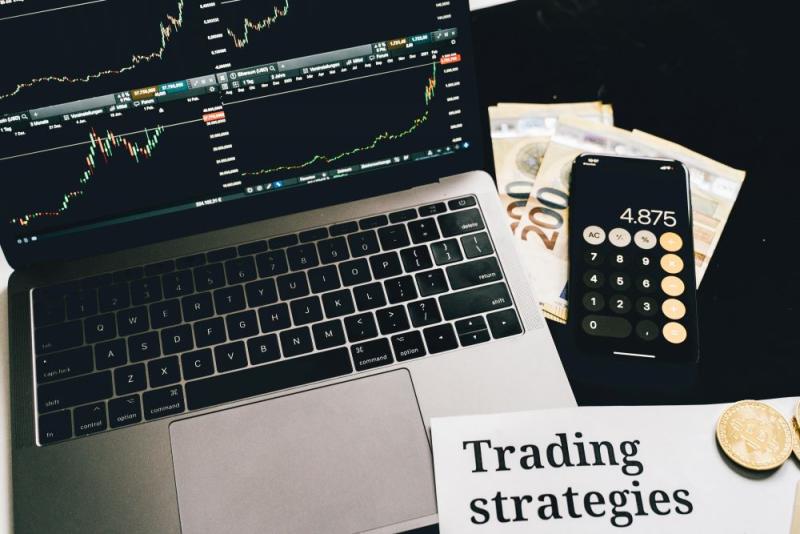
Thanks to technology, stock markets may never sleep. Retail investors or amateur traders mainly carry out nonstop trading. Wall Street veterans are concerned that this 24-hour buying and selling of assets opens up opportunities for fraud and that it’s likely to impact traders’ mental health.
Although there are advantages to overnight trading, doing it non-stop can take a toll. Trading on its own is already psychologically demanding. Other than using trusted trading platforms to secure your positions and profits, you need a plan to keep you focused and on track.
Here’s how to build one that works for you.
Set your goals.
Why does anyone get into trading? Yours might be to make more money so that you can afford a dream vacation or put a down payment on a dream home. Whatever your reasons are for trading stocks or forex, use those reasons to guide your goals.
Break down your goals into achievable steps, from a monthly goal to a daily or weekly goal. An example of a monthly goal would be to buy undervalued stocks and profit from them by selling when the stock rises according to your expected value.
How will you accomplish your goal in the next month? What tools will you use? How long do you expect this trade to last, or how long should you hold your position?
Choose your market.
Next, figure out which markets you want to trade in. Pick one that aligns with your goals and risk tolerance. You’ll also want to consider your trading style.
Your options include:
Stocks
Indices (e.g., NASDAQ, S&P 500, NYSE, etc.)
Forex
Commodities
Most traders will choose the more popular exchanges because they offer higher liquidity and better pricing due to broad market participation. Retail traders who are just starting out may go for financial markets with the most accessibility, which is usually the forex market. It’s a highly volatile market, but the entry barrier is also low because you don't need as much capital as you would when trading stocks or commodities.
Before deciding on the assets or products you’ll want to trade, learn what you can from financial education articles. Improve your knowledge on market analysis, trading strategies, market sectors, and everything else related to trading.
Timely information is also crucial in markets where a small event could trigger big changes in how investors react.
Create a risk management plan.
All investments carry risks; some more than others. The same goes for trading, whether you’re trading shares or currencies.
At the heart of every risk management plan is determining how much you’re willing to lose per trade. Can you risk 10% to 15% of your capital on every trade?
In general, traders risk 1% to 2% of their account per trade and allot 5% to 10% of their portfolio on a position. Others might risk 2% to 3% of their capital on a single trade. It is easier to recoup smaller losses than bigger ones.
Set your daily loss and profit parameters. Know when to pull out of a position to maintain focus and limit your exposure to further risks.
Develop a trading routine.
Warren Buffett has said, “Risk comes from not knowing what you’re doing.” Take a page from Buffett’s book and know what you’re going to do before you trade.
A routine not only gives you a roadmap for when to buy and when to sell, but it also shapes your behavior as a trader, honing your discipline and refining how you think about each trade.
A trading routine can look just like any schedule for when you work. What’s the first thing you need to do, go over market analysis or read the news? Do you review the previous day’s trade to see what went right and what went wrong?
Be specific about your routine, including your entry and exit signals. Keep it visible. And stick to it.
Post-trade: evaluate your performance.
When the trading hours are over, take time to assess your results. Were you able to act on market indicators and determine a product's trading direction? Did you follow your entry signals? Did your trade perform according to your plan?
It’s important to evaluate your performance, so you can identify patterns and areas for improvement. This way, you can make adjustments to your trading strategy and avoid substantial losses or maximize returns.
You become a better trader every time you review your performance.
A good trading plan keeps you focused and organized, two essential traits that separate the successful trader from the impulsive one. A plan prevents emotional decisions, manages risk effectively, and stays aligned with your financial goals, particularly during volatile market conditions.
With a clear plan in place, you’re more likely to act based on strategy rather than stress.

Post Your Ad Here