Sustainable Building Innovations Shaping Multifamily Housing Development
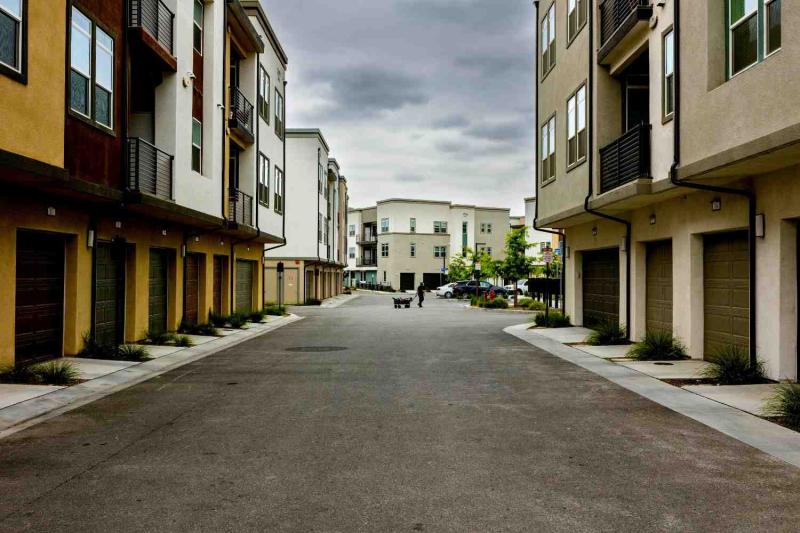
Sustainability has shifted from being an optional feature in construction to a central expectation in modern housing projects. As cities grow and environmental concerns rise, multifamily developments have become focal points for innovation.
Developers are finding new ways to design and build projects that not only meet the demand for housing but also reduce environmental impact and improve long-term livability. The trends emerging in sustainable building reflect both technological advances and a deeper commitment to community well-being.
Incorporating Energy-Efficient Design
One of the most visible trends in sustainable building is the integration of energy-efficient design. Developers are rethinking how structures are oriented, insulated, and ventilated to minimize energy demand.
Architectural choices such as maximizing natural light, using reflective roofing materials, and incorporating energy-efficient windows have become foundational practices. These measures reduce reliance on heating and cooling systems, ultimately lowering operational costs while also supporting environmental goals.
Integrating Renewable Energy Systems
The rise of renewable energy is another defining feature of sustainable construction. Solar panels, wind turbines in select areas, and geothermal heating systems are being incorporated into multifamily projects to offset traditional energy use.
Beyond their environmental benefits, these systems also create a sense of resilience by providing more consistent energy sources for residents. In urban settings, rooftop solar arrays have become particularly popular, turning otherwise unused spaces into assets that contribute directly to sustainability.
Applying Water Conservation Strategies
Water management is a growing priority for sustainable building. Developers are increasingly adopting technologies such as low-flow fixtures, rainwater harvesting systems, and drought-resistant landscaping.
These strategies not only conserve water but also lower utility bills for residents. In areas experiencing frequent drought, thoughtful water planning adds significant value to developments by making them more adaptable to changing climate conditions.
Using Sustainable Building Materials
The selection of construction materials plays a critical role in sustainable building. Many projects now emphasize recycled, locally sourced, or low-impact materials that reduce carbon footprints. Innovations such as bamboo flooring, reclaimed wood, and recycled steel are becoming more common in large-scale developments.
Even concrete, a material traditionally known for its environmental cost, is being reimagined with new formulations that reduce emissions. By embracing these choices, multifamily housing developers demonstrate that durability and environmental responsibility can coexist in modern design.
Creating Healthier Indoor Environments
Sustainability is not only about energy and materials but also about the quality of life inside the building. Developers are prioritizing indoor air quality through improved ventilation, non-toxic finishes, and advanced filtration systems.
The use of natural lighting and biophilic design elements, such as indoor greenery, also promotes a healthier atmosphere. These choices foster well-being among residents and reflect the growing recognition that sustainable building must prioritize human health as much as environmental impact.
Designing Community-Centered Spaces
Another trend shaping sustainable development is the focus on community-oriented design. Developers are creating shared spaces such as rooftop gardens, outdoor courtyards, and communal lounges that encourage social interaction while also supporting environmental goals.
Community gardens, for instance, not only provide green space but also give residents access to fresh produce and opportunities for engagement. This trend underscores that sustainability extends beyond construction methods to include social and cultural dimensions of housing.
Leveraging Smart Building Technology
Technology is also advancing sustainable practices in multifamily housing. Smart building systems allow for real-time monitoring of energy and water usage, helping both residents and property managers make informed choices.
Automated lighting, programmable thermostats, and advanced energy management platforms enable buildings to operate more efficiently without sacrificing comfort. By combining technology with sustainable design, developers can create housing that is both environmentally responsible and future-ready.
Final Thoughts on Sustainable Trends
Sustainable building in multifamily housing is no longer a niche practice but a defining standard in modern development. From energy efficiency and renewable energy integration to healthier indoor spaces and smart technology, the trends shaping the industry are both innovative and necessary. These practices reflect a broader movement toward balancing environmental responsibility with resident well-being and long-term cost savings.
As demand for housing continues to rise, the choices made by developers today will influence the resilience and sustainability of communities for decades to come. By adopting forward-thinking practices, multifamily projects are not only addressing immediate housing needs but also setting the foundation for a more sustainable future.
Post Your Ad Here
Comments