Sealed for Safety: How Valve Lockout Devices Prevent Industrial Accidents
In high-risk industries - from chemical processing
to oil and gas, valves control the flow of hazardous energy. But when
maintenance or servicing is underway, even a momentary lapse in control can
lead to catastrophic consequences. That’s where valve lockout devices step in -
not just as tools, but as silent guardians of workplace safety.
The Hidden Risk Behind Unsecured Valves:
Valves are everywhere: regulating steam, gas, liquids,
and pressure in complex systems. Yet, without proper lockout procedures, they
pose a serious threat. A technician might assume a valve is safely closed, only
to have it accidentally reopened by another worker. The result? Sudden releases
of energy, chemical exposure, burns, or even fatalities.
These incidents aren’t rare. Globally, thousands of
workplace injuries are traced back to uncontrolled energy sources. And many of
them could have been prevented with one simple intervention: a lockout device.
What is a Valve Lockout Device?
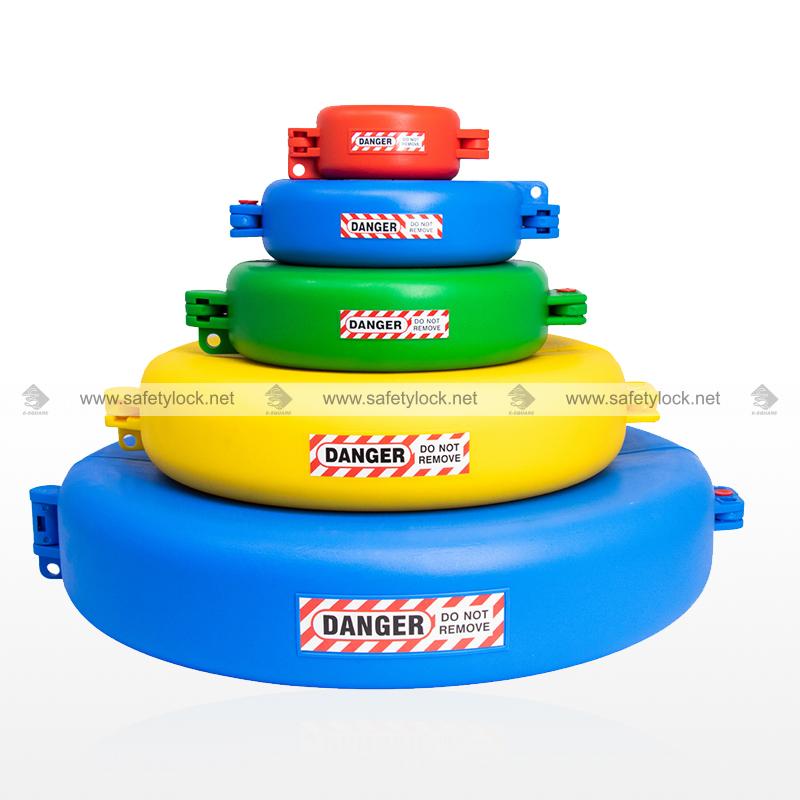
A valve lockout device is a physical barrier that
prevents the operation of a valve. It’s designed to fit over or around the
valve handle, making it impossible to turn without removing the lock. Only
authorized personnel with the correct key or combination can unlock it -
ensuring that no one accidentally reactivates the system during maintenance.
There are various types:
- Ball valve lockouts for
quarter-turn valves
- Gate valve lockouts for
rising stem valves
- Butterfly valve lockouts for
lever-operated systems
- Universal devices that
adapt to multiple valve types
Each is engineered for durability, visibility, and
tamper resistance - often in bright red or yellow to signal danger and draw
attention.
More Than Compliance - It’s Culture:
Lockout Tagout protocols are mandated by safety standards like OSHA (Occupational Safety
and Health Administration) and ISO 45001. But compliance alone isn’t enough.
The real power of valve lockout devices lies in their ability to reinforce a
safety mindset.
When teams consistently use lockout devices, they
send a clear message: “We value life over shortcuts.” It becomes part of the
culture - where every worker feels responsible not just for their own safety,
but for their colleagues’ as well.
This shift from rule-following to value-driven
behavior is what separates reactive workplaces from proactive ones.
Global Impact, Local Responsibility:
Industrial growth is accelerating and the adoption
of valve lockout systems is gaining momentum. Companies are recognizing that
safety isn’t a cost - it’s an investment. From refineries to pharmaceutical
plants, valve lockouts are helping reduce downtime, prevent injuries, and build
trust.
Empowering Teams Through Training:
The effectiveness of valve lockout devices depends
on proper training. Workers must understand:
- When and how to apply the device
- How to verify isolation
- How to communicate lockout status
- What to do in case of emergency
Interactive workshops, visual aids, and bilingual signage
can bridge knowledge gaps and ensure consistency across shifts and departments.
Conclusion: Safety Sealed, Trust Delivered
Valve lockout devices may seem simple, but their impact is profound. They transform
high-risk environments into controlled spaces. They empower workers to take
ownership of safety. And they prevent tragedies before they happen.
In the end, sealing a valve isn’t just about
turning a handle - it’s about turning the tide toward a safer, more accountable
workplace.


Post Your Ad Here
Comments