Modern Innovations in Custom Frames for Art Exhibitions
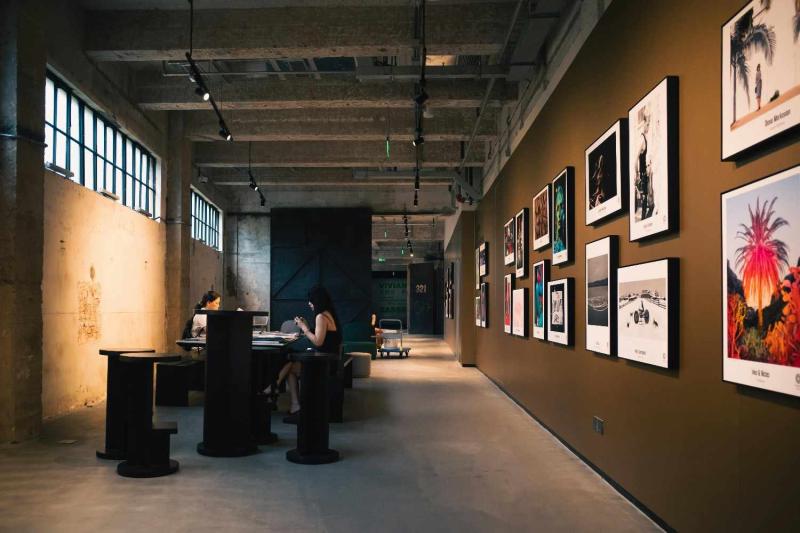
Framing has long been considered a critical element of art presentation, acting not only as a protective barrier but also as an extension of the artwork itself. In museum settings, the frame often carries as much weight as the piece it surrounds, shaping the viewer’s perception and enhancing the overall experience.
As art installations evolve with new media, larger scales, and experimental presentations, custom framing has adapted to meet these changes. Today’s trends in museum-quality framing reflect a balance of preservation, design, and innovation.
Emphasizing Minimalism and Clean Lines
A growing movement in framing design favors simplicity and minimalism. Clean lines and understated materials are often chosen to ensure that the frame does not overpower the artwork but instead allows it to speak for itself.
This approach is particularly popular for modern and contemporary installations, where the goal is often to let the art occupy the full focus of attention. While ornate frames remain relevant for certain historical works, the rise of minimalist aesthetics signals a broader cultural trend that values clarity, precision, and restraint in exhibition design.
Highlighting Sustainability in Materials
Sustainability has entered nearly every creative industry, and framing is no exception. Museums and galleries are increasingly seeking eco-friendly solutions that prioritize renewable or recycled materials without sacrificing quality. Natural woods sourced from responsible forestry, water-based finishes, and recyclable metals are gaining traction.
This trend aligns with broader institutional goals of reducing environmental impact while still preserving artworks for future generations. The framing industry has responded by developing products that are both durable and sustainable, ensuring that conservation and ethical considerations go hand in hand.
Enhancing Preservation with Advanced Technology
Conservation is one of the primary functions of framing in museum settings. New technologies in glass, matting, and sealing techniques have transformed how art is preserved while on display. Innovations such as UV-filtering glass, anti-reflective coatings, and airtight enclosures are now standard in many museum-quality frames.
These features not only protect artworks from environmental threats such as light exposure and humidity but also maintain visual clarity. As curators continue to balance accessibility with preservation, advancements in protective framing remain central to exhibition planning.
Integrating Frames into Architectural Contexts
Custom framing trends increasingly emphasize the relationship between the artwork, the frame, and the surrounding space. In museum installations, frames are no longer viewed as separate objects but as extensions of the architectural environment. Framers and designers collaborate to ensure that the aesthetic of the frame complements both the artwork and the gallery setting.
This comprehensive strategy fosters a unified visual progression throughout the exhibition, thereby enriching the visitor's experience. For expansive or site-specific endeavors, institutions frequently consult framing specialists such as The Chessler Company, recognized for their skill in crafting frames that harmonize effortlessly with intricate architectural designs.
Expanding Creative Possibilities with Non-Traditional Materials
While wood and metal remain the most common framing materials, there has been a growing interest in experimenting with non-traditional options. Acrylics, resins, and composite materials are being used to create frames that challenge conventional expectations. These innovative designs allow museums to frame artworks in ways that echo contemporary art’s experimental spirit.
By incorporating unconventional materials, curators can create a dialogue between the frame and the art, making the entire installation feel dynamic and forward-thinking.
Balancing Historical Authenticity with Modern Innovation
When it comes to historical pieces, framing trends often revolve around striking the right balance between authenticity and modern preservation standards. Replicating period-specific frames remains important for maintaining historical accuracy, but today’s framers also incorporate advanced conservation materials and techniques.
This fusion of old and new ensures that artworks retain their cultural integrity while benefiting from modern protection. In many museums, visitors may not notice the subtle innovations built into what appears to be a faithful historical frame, yet these advancements play a crucial role in long-term preservation.
Looking Ahead to the Future of Custom Framing
The future of museum-quality framing lies in adaptability. As digital installations, multimedia works, and large-scale pieces become more common, framers will continue to expand their repertoire of techniques and materials. The trend toward customization ensures that frames will remain an integral component of exhibition design rather than an afterthought.
Whether the focus is on sustainability, conservation, or aesthetics, custom framing will keep evolving alongside the art it protects and presents.

Post Your Ad Here
Comments