Dynamic Time Allocation in Asphalt Batch Mixing Plant Production
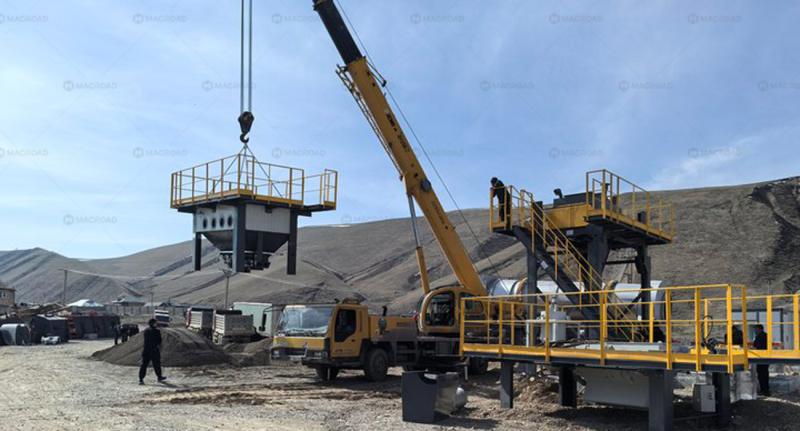
In the batch production of an asphalt batch mixing plant, efficient time allocation among various processes—such as hot material metering, asphalt spraying, and mixing—is crucial to maintaining production flow and avoiding excessively long gaps between batches. These delays can adversely affect both the overall efficiency of the plant and the quality of the asphalt mixture. This article examines how dynamic balancing of time allocation can optimize production efficiency and maintain the desired temperature stability of the asphalt mixture.
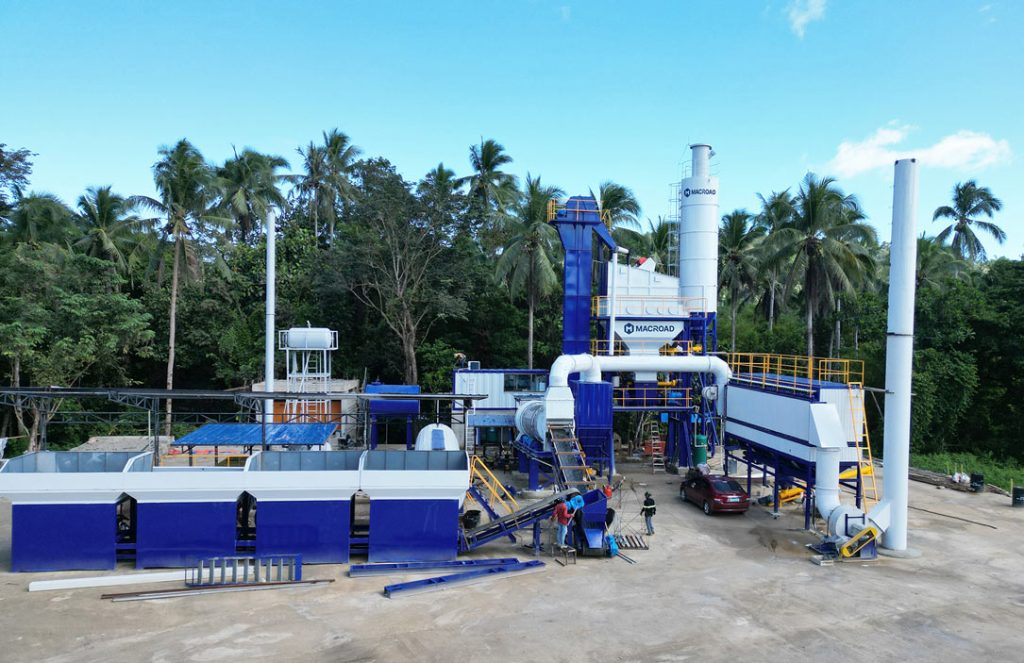
Coordinating Hot Material Metering and Mixing Cycles
One of the essential steps in the asphalt production process is hot material metering, where the correct gradation of aggregates is crucial for producing high-quality asphalt. However, delays in this step can occur, particularly when adjustments to the gradation are necessary. When such delays happen, it is vital to coordinate the discharge rhythm of the mixing cylinder with the start timing of the subsequent cold material drying process for the next batch.
To achieve this dynamic balance, operators can use programmable logic controllers (PLCs) that monitor the status of each step in the production process. If the hot material metering is delayed, the system can adjust the timing of the mixing process. For instance, it can temporarily hold the mixing cylinder in a state of readiness, ensuring that the mixing of the current batch begins only when the materials are adequately prepared. This synchronization minimizes idle time, allowing for a smoother transition to the next phase of production.

Impact on Overall Production Efficiency
The effective coordination of time allocation across the various links in the production process directly impacts the overall efficiency of the asphalt batch mixing plant. By minimizing production gaps, the plant can achieve higher throughput, which is crucial for meeting project deadlines and customer demands. Efficient time management also reduces the wear and tear on machinery, thus extending the operational life of the equipment.
Moreover, maintaining a steady flow in production ensures that temperature stability of the asphalt mixture is preserved. Temperature fluctuations can lead to inconsistencies in the asphalt's properties, which may affect its performance. By coordinating hot material metering with the mixing and drying processes, the plant can ensure that the asphalt maintains a consistent temperature throughout production. This stability is vital for producing a high-quality product that meets the required specifications for durability and performance.
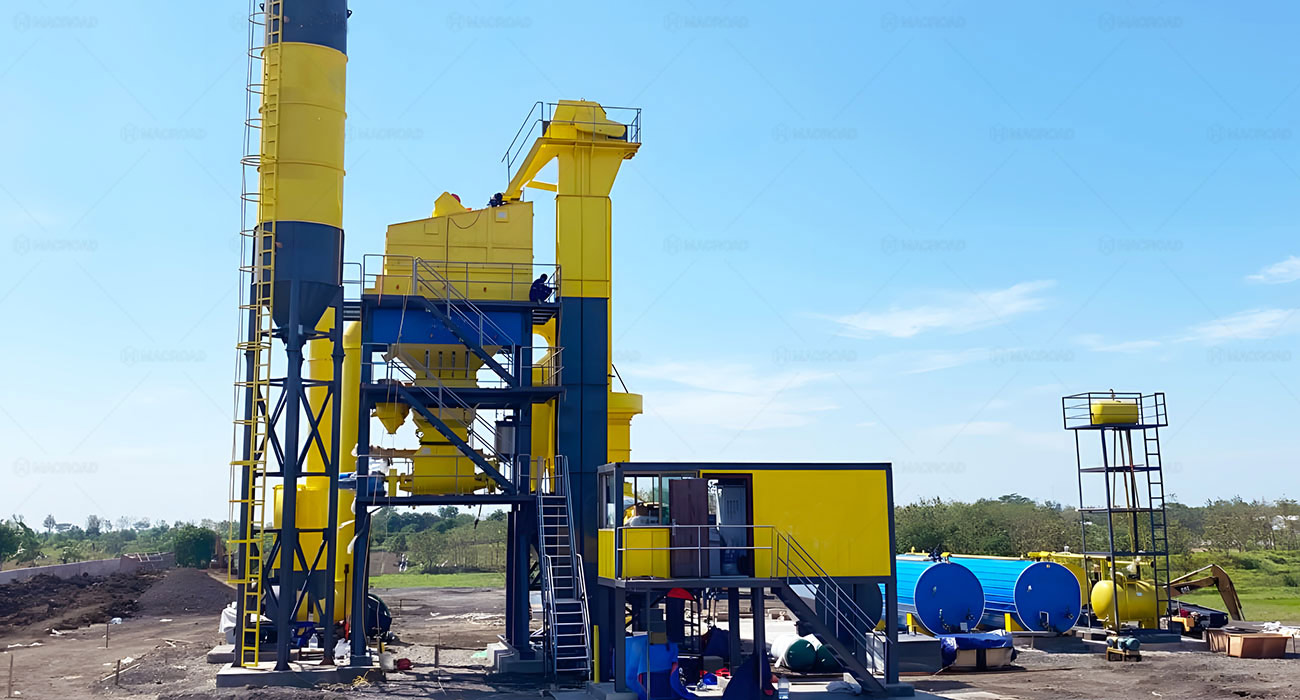
Enhancing Temperature Stability Through Time Coordination
Temperature stability is crucial not only for the quality of the asphalt but also for the efficiency of the production process. When the timing of each link in the production process is well-coordinated, it reduces the risk of overheating or cooling during transitions. For example, if the hot material metering is delayed, the mixing process can be adjusted to start immediately after the materials are ready, preventing any unnecessary temperature loss.
Additionally, integrating temperature monitoring systems within the asphalt batch mixing plant can provide real-time feedback on the mixture's temperature. This data allows operators to make informed decisions about adjusting the timing of subsequent processes to maintain optimal temperature levels. By ensuring that all components of the production process work together harmoniously, the plant can produce asphalt that consistently meets quality standards.
In conclusion, dynamic time allocation in the asphalt batch mixing plant is essential for optimizing production efficiency and maintaining temperature stability. By effectively coordinating processes such as hot material metering, asphalt spraying, and mixing, operators can minimize production gaps and enhance overall operational performance. This approach not only improves throughput but also ensures that the quality of the asphalt mixture meets the high standards required in construction projects. As the demand for efficient and high-quality asphalt production continues to grow, the importance of effective time management in asphalt batch mixing plants will only increase.
Post Your Ad Here
Comments