The difference between batch mix plant and drum mix plant has significant implications for contractors, especially regarding long-term maintenance costs. For those engaged in year-round highway maintenance tasks, understanding these differences can help in making informed equipment decisions aligned with project demands. Evaluating the maintenance needs associated with each type of plant plays a critical role in calculating the total cost of ownership, including the drum mix plant price.
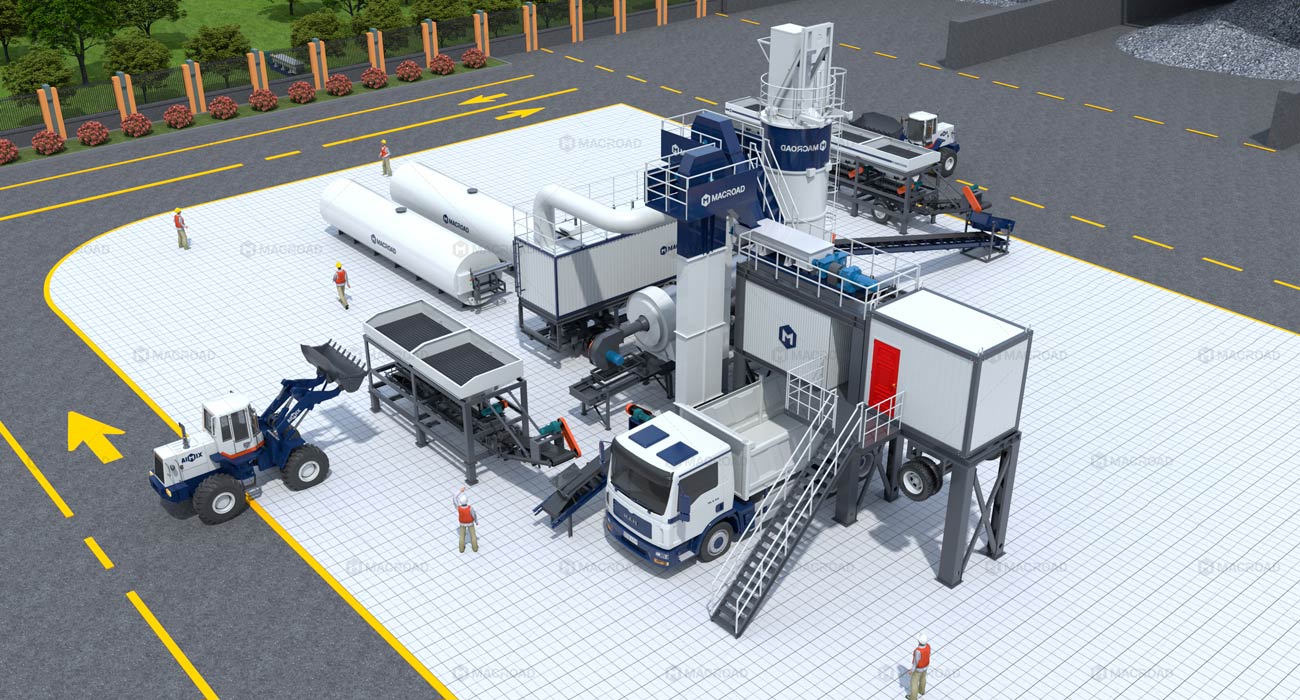
Characteristics of Batch Mix Plants
Batch mix plants operate by creating small batches of asphalt in a sequence. This process allows for precise control over the mixing process, leading to consistent quality in each batch. However, this accuracy often comes with increased operational complexity and longer production times.
From a maintenance perspective, batch mix plants require regular upkeep of various components that manage the sequencing of operations. Equipment like silos, conveyors, and mixing units must be maintained to ensure efficiency. This complexity can result in higher long-term maintenance costs compared to a drum mix plant, which might influence a contractor's decision on which type to invest in when evaluating the drum mix plant price.
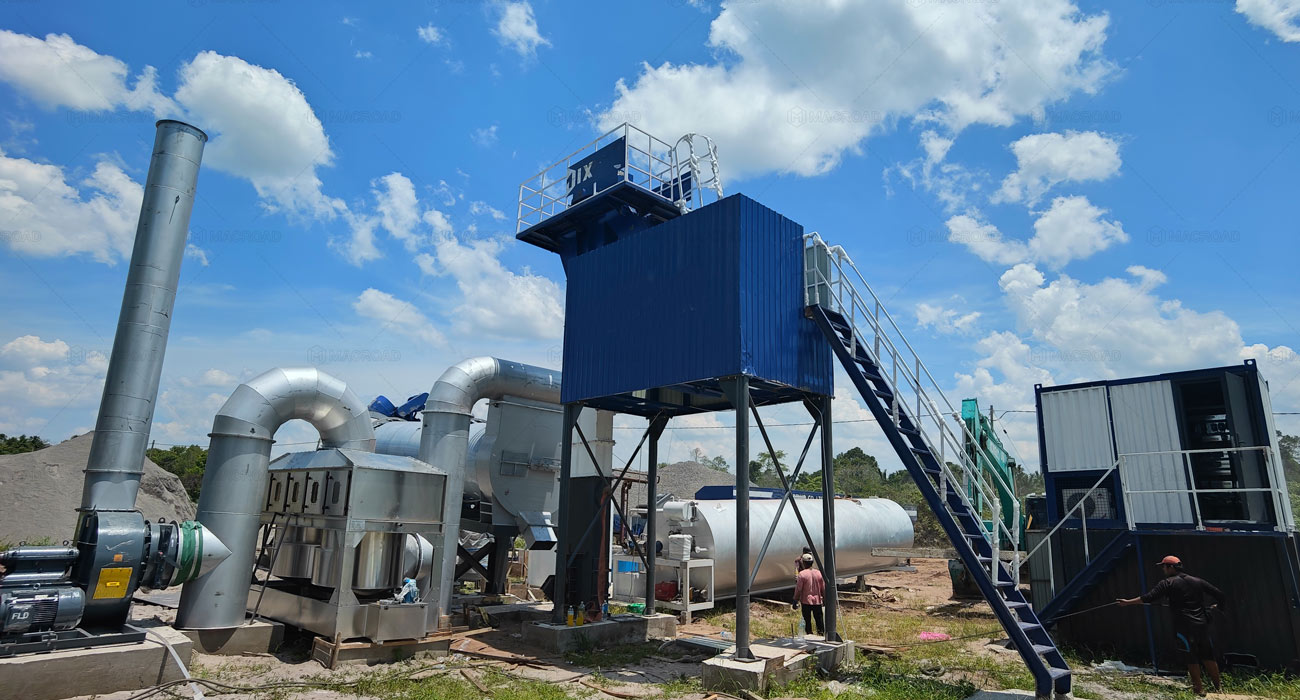
Efficiency of Drum Mix Plants
In contrast, drum mix plants provide a continuous production method where aggregates and asphalt are mixed in a unified process. This efficiency typically leads to higher output rates and lower energy consumption during operation. The streamlined design means that fewer components are needed for mixing, which can reduce potential failure points.
From a maintenance standpoint, the simplicity of drum mix plants can lead to lower long-term maintenance costs. Since they have fewer moving parts and a straightforward operational process, routine maintenance tasks are often less frequent and easier to execute. Thus, when considering the overall drum mix plant price, lower maintenance costs contribute positively to the total ownership experience, especially for contractors managing year-round highway maintenance.
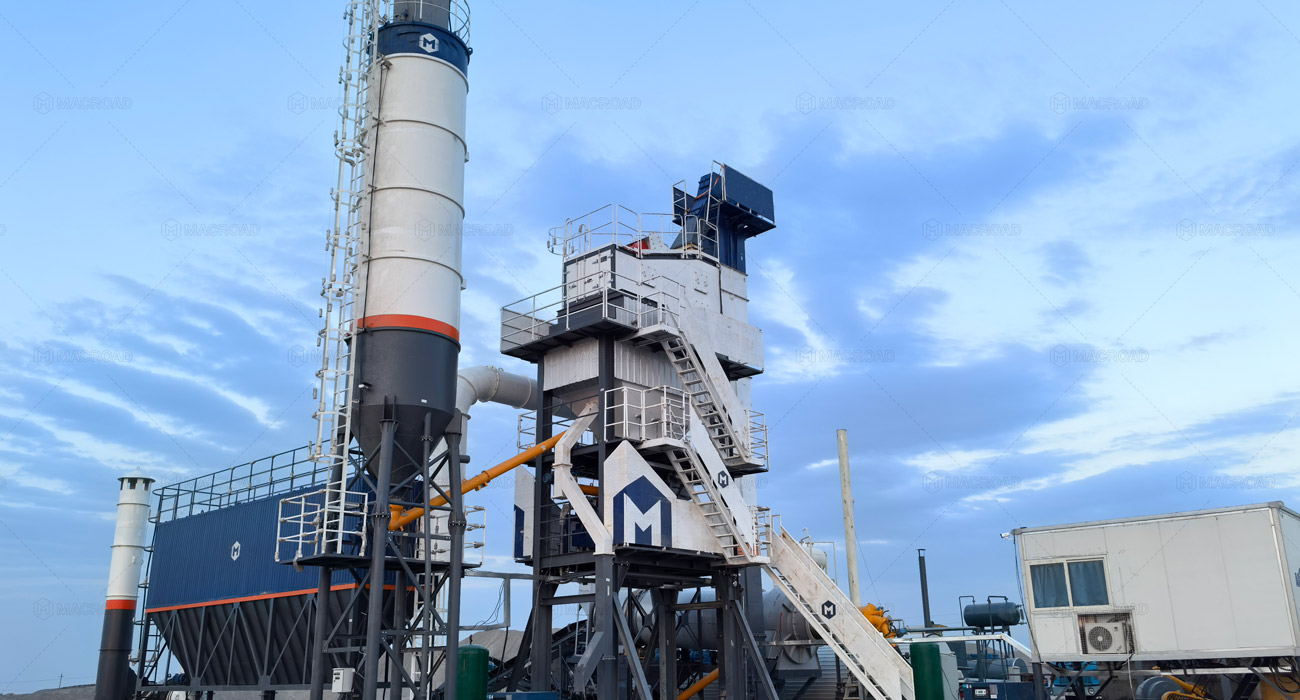
Maintenance Needs Based on Usage
The operational context also plays a crucial role in determining maintenance needs based on the difference between batch mix plant and drum mix plant. Contractors engaged in year-round maintenance often require consistent reliability from their chosen equipment. For those focusing on high production volumes, the scalability and durability of a drum mix plant can be advantageous.
Additionally, the cumulative effect of regular maintenance costs should be a key factor in the contractor's decision-making process. Drum mix plants typically offer lower ongoing maintenance expenses, which can significantly reduce total costs over time. Understanding this aspect can help contractors more effectively budget their resources when planning highway repairs and maintenance tasks.
Conclusion
The difference between batch mix plant and drum mix plant directly impacts long-term maintenance costs, a critical consideration for contractors involved in year-round highway maintenance tasks. Batch mix plants, though offering precise quality control, tend to require more complex maintenance, resulting in potentially higher costs. Conversely, drum mix plants, characterized by their efficiency and simpler design, often lead to reduced maintenance requirements and associated costs. By evaluating these factors alongside the drum mix plant price, contractors can make informed decisions that support their operational needs while maintaining budget integrity in long-term projects. This insight ultimately aids in selecting the most suitable equipment for sustained success in highway maintenance efforts.

Comments