Energy Consumption and Environmental Control in Batch and Drum Asphalt Mix Plants

The asphalt production industry relies heavily on the efficiency of mixing plants, with batch mix plants and drum mix plants representing two distinct operation modes. Understanding the differences in energy consumption distribution and environmental control logic between these two types of plants is crucial for optimizing production scales. This article explores how these differences affect fuel consumption and exhaust treatment, particularly in the context of small-batch multi-lot production versus large-scale continuous supply.

Energy Consumption Dynamics: Batch vs. Drum Mix Plants
One of the fundamental difference between batch mix plant and drum mix plant lies in their energy consumption dynamics. Batch mix plants operate by heating aggregates in batches, which can lead to significant heat loss during the transition between batches. This characteristic results in higher fuel consumption as the plant must reheat the aggregates for each new batch. In scenarios involving small-batch multi-lot production, this inefficiency becomes even more pronounced, as the frequent stopping and starting can lead to excessive energy use.
In contrast, drum mix plants utilize a continuous operation model, which allows for better thermal efficiency. Since the aggregates are heated continuously as they move through the drum, this setup minimizes heat loss and maximizes energy utilization. Consequently, in large-scale continuous supply scenarios, drum mix plants typically demonstrate lower fuel consumption compared to batch mix plants. This efficiency not only reduces operational costs but also has a positive impact on environmental control by lowering emissions.
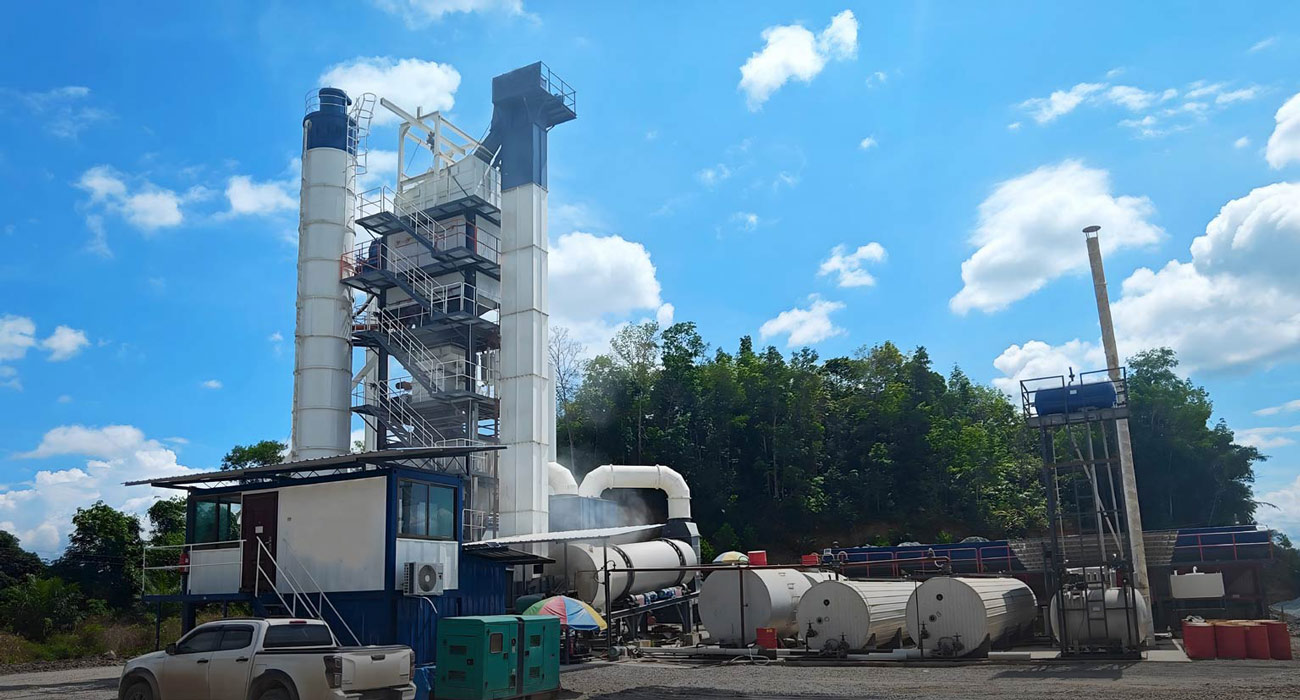
Environmental Control Logic and Exhaust Treatment
The differences in energy consumption also extend to the environmental control logic employed by both types of plants. Batch mix plants often struggle with exhaust treatment system load due to the intermittent nature of their operations. When batch plants heat aggregates, they may produce higher emissions during the heating phase, leading to a heavier burden on the exhaust treatment systems. This can result in increased operational costs and complexities in meeting environmental regulations, especially in regions with stringent emissions standards.
Conversely, drum mix plants benefit from a more consistent operational profile, which allows for more effective management of exhaust emissions. The continuous heating process provides a steady flow of material, leading to a more uniform discharge of exhaust gases. This consistency enables better optimization of exhaust treatment systems, as operators can calibrate these systems to handle a predictable load. In this way, drum mix plants not only reduce fuel consumption but also enhance their environmental performance.
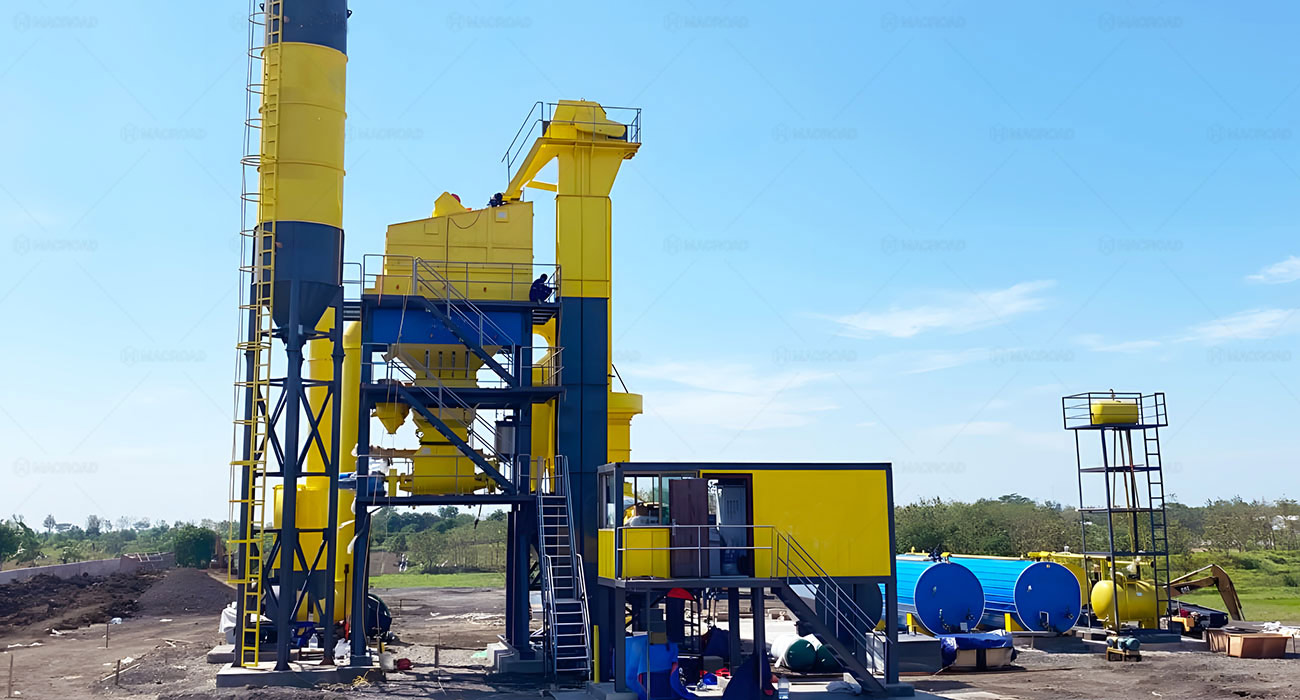
Trade-offs in Production Scale and Operation Modes
When considering the trade-offs between batch mix and drum mix plants, it is essential to evaluate how their energy consumption and environmental control characteristics interact with production scale and operation modes. For example, while batch mix plants may be suitable for specialized projects requiring small, varied batches, their energy inefficiencies and higher emissions can make them less viable for larger-scale operations.
Conversely, drum mix plants excel in large-scale continuous supply scenarios, where their thermal efficiency and consistent emissions control can significantly enhance overall productivity. However, they may lack the flexibility needed for smaller jobs that require different asphalt specifications.
In conclusion, the differences in energy consumption distribution and environmental control logic between batch mix plants and drum mix plants have significant implications for their operational efficiency. The thermal efficiency advantages of drum mix plants and the higher fuel consumption of batch mix plants highlight the importance of selecting the right type of plant based on production scale and operational needs. Understanding these dynamics can lead to better decision-making and improved outcomes in asphalt production.

Post Your Ad Here
Comments