How Does Childhood Trauma Affect Mental Health?
What Is Childhood Trauma?
Trauma isn't always a single catastrophic event. It's often
being in an environment of chronic emotional strain: emotional neglect, being
shamed, not feeling seen or accepted, or expected to perform. It's like a
hidden bruise inside your body that still hurts. Even if you try to forget it,
your brain and body remember it.
Dr. Gabor Maté explains trauma as - “big T” trauma (severe
experiences of abuse and violence) and “small t” trauma (the subtle, chronic
wounds of emotional disconnection, invalidation, or the absence of safety and
attunement). He elaborates:
“The trauma is not what happens to you, but what happens inside
you as a result of what happens to you.”
Trauma doesn’t always shout. Sometimes, it whispers: Be
good. Be quiet. Don’t upset anyone.
It can look like:
- A
parent who gave you everything,except emotional safety.
- A
home where only academic achievements were praised.
- A
childhood where your tears made you "dramatic," your anger
"disrespectful."
Childhood trauma isn’t just what happened. It’s what your
nervous system learned from it. Like unwanted software running silently
in the background, shaping your beliefs:
Love must be earned. My needs are too much. I’m
only valuable when I perform.
However, these beliefs don’t just fade away with time. They
follow you into your adulthood affecting relationships, your health and quality
of life. What once helped you survive now hinders your growth.
However, none of this is your fault.
Healing means slowly learning that you’re safe now, and you don’t have to keep living by those old survival rules. It means understanding how your nervous system shaped itself in response to what it lacked and how it continues to protect you, even when the threat is long gone.
The Brain and Trauma: A Lasting Imprint
Trauma you experienced in your childhood has a massive
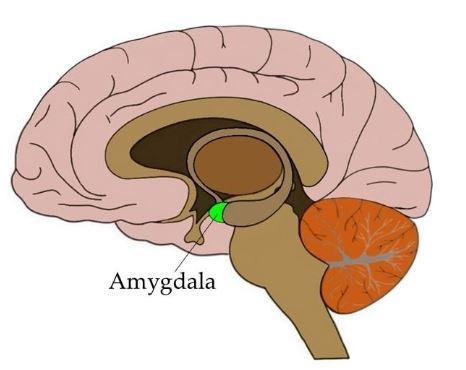
impact on your brain as it rewires your neural networks. Our brain's fear
centre, Amygdala, becomes hyperactive and reacts disproportionately to
perceived dangers (Jin et al., 2024). Additionally, neural connections vital
for emotion regulation get weakened. This can show up as panic, anxiety,
hypervigilance, feeling numb or disconnection in your adult life.
Moreover, your body's stress-response system, HPA-axis, also
gets dysregulated. Think of it like your body's stress response gets
"stuck in ON mode.", flooding your body with cortisol, leading to
inflammation (Lin et al., 2015). Studies have shown that this can show up as
fatigue, Chronic headaches, gut problems (IBS, acidity), thyroid dysfunction,
PCOS, or autoimmune issues (Lüönd et al., 2025).
Trauma has a lasting impact on your mental health as well. A
study done in Delhi–NCR surveyed around 1,800 young adults and discovered that
each additional adverse childhood experience (like bullying or emotional abuse)
significantly increased the odds of moderate-to-severe depression, anxiety, and
stress.
Such changes not only impact your health, but also impacts
your quality of life, and how you show up in the world.
Signs You Might Still Be Carrying It
Trauma often doesn’t scream, it whispers and it can be
difficult to identify when it’s showing up in your life. Here’s how unresolved
childhood trauma may show up in adulthood:
- Feeling
too much,or nothing at all.
- Unable
to relax without guilt.
- Hyper-independence
but secretly exhausted.
- People-pleasing
until you burnout.
- Overthinking
everything you say or do.
- Fear
of being a burden.
- Experiencing
physical symptoms doctors can't explain.
- Pushing
love away, then wonder why you’re alone.
- Crying
over small things,or never cry at all.
- Feeling
like a child pretending to be an adult.
Does any of this sound familiar?
Some of you might be wondering “But I Had a Good
Childhood”.
I hear you. However, trauma isn’t always loud or violent.
It’s often what wasn’t there when you needed it the most. In many Indian
households, trauma shows up in hushed whispers of “what will people say”, or
duty based roles silencing you “dad is busy at work”. It is wrapped in duty,
discipline, and silence.
You might have heard:
- "Don’t
cry, be strong." → Shaming emotions → suppressing inner truth
- "We
did everything for you, how can you feel this way?" → chronic guilt
- Overachieving
→ self-worth is conditional
- “Sacrifice”
valued over health → chronic guilt
As Dr. Gabor Maté says, "Trauma is not what happens
to you. It’s what happens inside you as a result of what happened to you."
You can love your parents deeply and still carry
emotional wounds from unmet needs. Both gratitude and grief can exist in the
same breath.
Everyday Moments That Might Be Trauma in Disguise
- Feeling
anxious at family gatherings,not because of the crowd, but because of the
questions.
- Panicking
when your partner is upset,convinced they'll leave you.
- Feeling
guilty and worthless when you take a break.
- Shutting
down, going number or lashing out during a conflict.
- Clinging
onto external validation and approval like your life depended on it and
then feeling shame afterwards.
These aren’t flaws. They’re survival responses that once
kept you safe.
A Moment in the Therapy Room: Guilt, Seen Gently
Ravi, 35, sat on the couch with clenched fists. He couldn’t
stop apologizing,for taking time, for crying, for “being dramatic.”
“I don’t know why I feel guilty all the time,” he said.
“Even when I rest. Even when I speak.”
His therapist asked gently, “When did you first learn that
taking up space was wrong?”
Silence. Then a whisper: “Maybe... when I got yelled at for
crying too loud. I was 7.”
That moment cracked something open,not just pain, but
tenderness. Ravi wasn’t “too much.” He was a child who needed holding. And
therapy became that holding space.
Guilt doesn’t always mean you did something wrong. It often means you were trained to feel wrong just for being you.
What Actually Helps?
Healing doesn’t start with "fixing yourself." It
starts with understanding yourself.
Here are a few gentle starting points:
1. Name Your Triggers
Start tracking moments when your reaction feels bigger than the situation.
Did your chest tighten? Did you freeze? These are clues.
2. Reparent Your Inner Child
Begin offering the compassion you never received. Try this: "You don’t
have to earn rest. You’re allowed to feel."
3. Create Safety Anchors
A soft object. A mantra. Your breath. Use it when emotions rise. You’re
teaching your body: This moment is safe.
At first, it may feel awkward. That’s normal. Healing is a
practice, not a performance.
Therapies That Help Heal Childhood Trauma
Indian researcher Riri G. Trivedi (Ahmedabad) emphasizes how
childhood trauma often leads to emotional health issues in adulthood. She
stresses the importance of early, inner-child-focused healing approaches,ones
that don’t just treat symptoms, but gently tend to the root of the wound.
While surface-level coping tools have value, sustainable
transformation often requires deeper exploration. Depth-oriented trauma
therapies work with the body, emotions, and brain in a holistic, integrated way
to restore a sense of inner safety. Some of the most effective approaches
include:
1. Trauma-Informed Psychodynamic Therapy This
approach gently uncovers the unconscious patterns that you learned in your
childhood,often unconsciously. It's not about placing the blame on your
upbringing or parents. It's about realising what your body and mind have learnt
to survive and gradually realising that you don't have to continue in those
outdated habits indefinitely.
2. Internal Family Systems (IFS): IFS helps you
integrate different parts of yourself,like the "good child" who
always says yes, or the angry part whose boundaries have been violated
repeatedly. You learn to listen, and understand these parts and the role they
play in keeping you safe.
3. Somatic Experiencing: Since trauma lives in the
body, SE helps release trauma without needing to relive the story. It’s about
safety in the body, not just clarity in the mind.
4. Compassion-Focused Therapy (CFT): This modality is
especially useful for those stuck in self-blame and guilt by helping you build
a kinder inner voice. It reminds you that growth doesn’t come from
punishment,it comes from kindness, safety, and self-acceptance.
What Therapy Can Feel Like
Imagine sitting in a comfortable quiet room and your
therapist gently inquires: "When was the last time you said “no” without
feeling guilt or shame?"
You pause. You feel a lump in your throat and tears start
rolling down your face.
The therapist doesn’t try to fix you or make you feel weak
or ashamed. They sit with you and your emotions, not afraid of your pain.
You feel seen, validated and acknowledged.
It’s not about having dramatic breakthroughs or changes
overnight.
It’s about feeling safe enough to be seen and be authentic
to your truth,without judgment.
At Coach For Mind, we hold this space for you.
Compassionate, Non judgmental and safe.
If You’re Wondering About Therapy...
You don’t have to be "ready." You don’t have to
have it all figured out. You just have to begin.
And we’ll walk with you from there.
FAQs About Childhood Trauma and Healing
1. What does childhood trauma feel like in adults?
Childhood trauma hides in patterns, not just memories. It can show up as:
- Functioning,
on the outside but feeling exhausted or disengaged, on the inside
- Feeling
abandoned when your partner withdraws.
- Inability
to trust your partner.
- Overworking
to feel worthy, and feeling like a fraud.
- Feeling
guilty for resting or simply existing.
- Apologizing
for existing.
- Feeling
responsible for everyone’s feelings.
- Inability
to relax without guilt.
- Avoiding
conflict at all costs.
- Overachieving
but never feeling enough.
- Staying
in unsafe relationships.
- Numbing
your emotions with food, work,or shopping.
- Having
difficulty saying "no," even when it hurts you.
- Reacting
strongly to small triggers, without knowing why.
- Feeling
like you’re always bracing for something to go wrong.
- Shrinking
your needs so others feel comfortable
- Harsh
disapproving inner critic.
- Hypervigilance
and anxiety.
- Lying
awake after a conflict, replaying every word, even if nothing “big”
happened.
- Freezing
when someone asks you what you want.
These are not personality flaws. They are your nervous
system doing its best to protect you from old wounds.
2. Can childhood trauma affect physical health?
Trauma you experienced in your childhood has a massive impact on your brain
as it rewires your neural networks. Your body's stress-response system,
HPA-axis, also gets dysregulated. Think of it like your body's stress response
gets "stuck in ON mode.", flooding your body with cortisol, leading
to inflammation (Lin et al., 2015). Studies have shown that this can show up as
fatigue, Chronic headaches, gut problems (IBS, acidity), thyroid dysfunction,
PCOS, or autoimmune issues (Lüönd et al., 2025).
3. What if I can’t remember the trauma clearly?
You don’t need a clear memory to begin healing. Trauma often hides in
patterns, sensations, and emotional reactions, not just memories.
You might not remember what was said, but your body
remembers how it felt:
That freezing sensation when someone raises their voice,
overwhelming panic when someone withdraws love, urge to please, even when
you’re exhausted
Trauma-informed therapy focuses on what’s showing up now,
not forcing you to relive or remember everything from your past. Therapy helps
you connect the dots gently, without forcing memory.
4. Do I have to talk about everything in therapy?
No, you don’t have to tell your whole story to begin healing.
Sometimes, the most powerful sessions begin with silence,
body awareness, or simply naming how hard it is to be here.
Trauma-informed therapy honors readiness over speed. In the
therapy session we follow your lead, no pressure, no “shoulds and
shouldn'ts.” Just your journey, at your pace and you choose.
5. Is therapy the only way to heal?
No, but it’s often the safest, most structured path, especially when the
pain runs deep. There are many healing tools outside of therapy:
- Books
can provide you with insights and tools.
- Support
groups can provide you with a community that reminds you you’re not
alone.
- Journaling
can help you process overwhelming thoughts.
- Somatic
practices like yoga, breathwork, or movement can help soothe your
nervous system.
These are all valuable and powerful on their own. But they
often don’t touch the root of your problem or change the inner wiring shaped by
years of unmet needs or emotional neglect.
Moreover, without the guidance of a trauma-informed
therapist, it's easy to fall into a common trap of trying to "fix"
yourself through more self-imposed rules,more "shoulds," more
perfectionism, more internal pressure. This might compound the shame or guilt
you’re already carrying.
Therapy offers what those tools can’t: relational healing.
When you sit with a therapist who truly sees and accepts you, it begins to
rewrite the parts of you that never felt seen or accepted.
6. How do I know if my therapist is trauma-informed?
A trauma-informed therapist will never rush or push you.
They will:
- Prioritize
your emotional safety over “getting somewhere fast”
- Help
you feel seen, not pathologized
- Respect
your boundaries and always ask for consent
- Offer
grounding tools for when emotions feel overwhelming
- Use
language that helps you reconnect with agency, not shame
At Coach For Mind, all our therapists are trained in
trauma-sensitive approaches, with specialties in modalities like EMDR, IFS,
Somatic Experiencing, and more.
7. Can online therapy really help with trauma?
Yes, and for many, it’s even more effective than in-person therapy.
Being in your own space often makes it easier to:
- Open
up without fear of being “watched” or judged
- Regulate
your body in familiar surroundings
- Access
consistent support, even on tough days
At Coach For Mind, our online sessions are
trauma-informed, confidential, and tailored around your pace and
comfort.
Whether you’re in Delhi,Gurgoan, Bangalore, or a small
town, support is just a click away.
8. What happens in trauma therapy at Coach For Mind?
You’ll start with a free discovery call where we would understand what kind
of support you’re looking for,just to talk, no pressure. Then, we match you
with a therapist who specializes in that area, whether that’s emotional
neglect, grief, relationship trauma, or anxiety from past wounds.
If any part of this made you feel seen , maybe that’s the
part ready to be heard.
You don’t have to do it alone.
✨ Begin with a free
15-minute discovery call at www.coachformind.com
Written by the therapists at Coach For Mind
Trauma-informed mental health care for modern Indian minds.

Post Your Ad Here
Comments