Optimizing Production Scheduling of Asphalt Mixing Plants with Big Data Analysis

In the asphalt mixing industry, effective production scheduling is crucial for maximizing efficiency and minimizing costs. With the advent of big data analysis, asphalt producers can leverage vast amounts of data to optimize their scheduling processes. This article explores how big data can transform production scheduling in asphalt mixing plants, enhancing operational performance and decision-making.
Understanding Data Sources
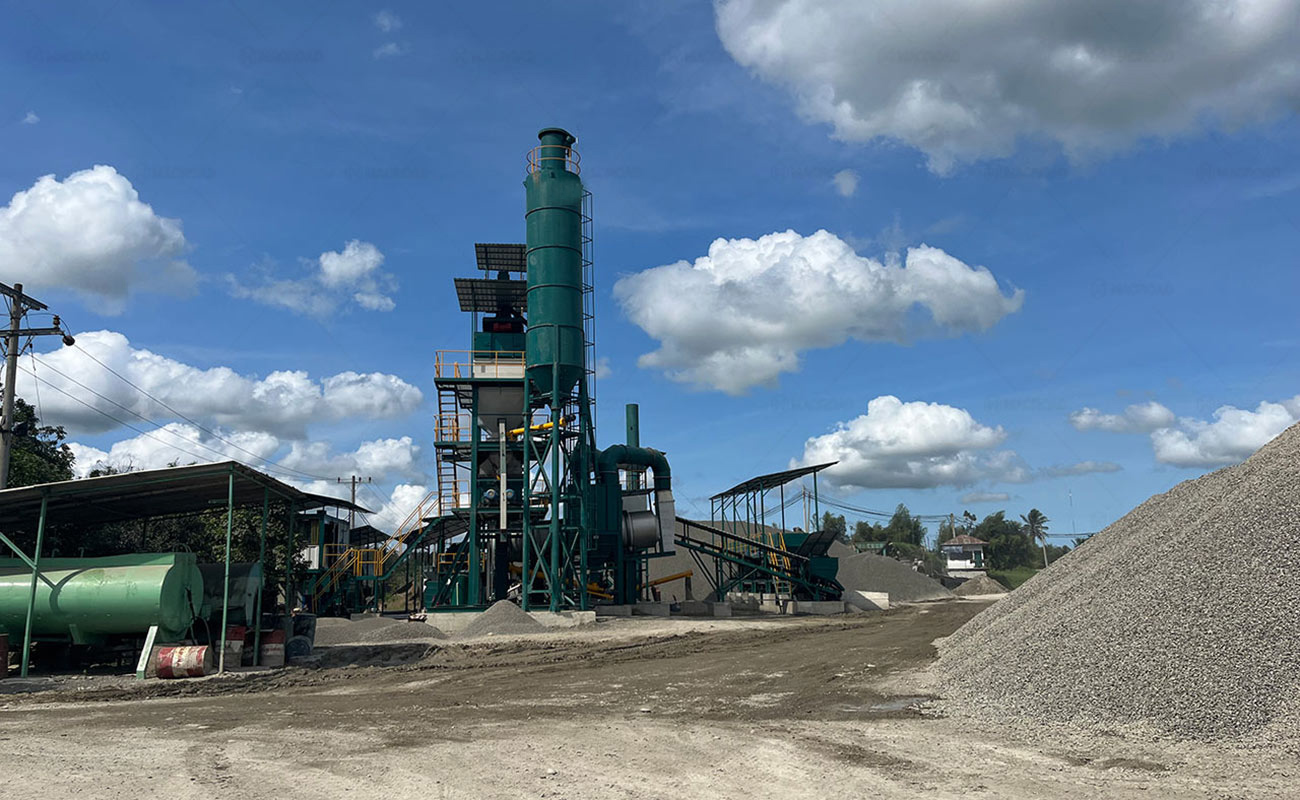
To effectively utilize big data analysis, asphalt mixing plants must first identify the relevant data sources. These sources can include operational data from equipment, historical production records, weather patterns, and real-time demand forecasts. For instance, a stationary asphalt mixing plant may collect data on production rates, downtime, and maintenance schedules.
Additionally, mobile asphalt mixing plants can gather data from various job sites, allowing for a comprehensive overview of performance across different locations. By consolidating these diverse data points, producers can gain valuable insights into their operations, helping them to make informed scheduling decisions.

Predictive Analytics for Scheduling
Once the relevant data is collected, predictive analytics plays a key role in optimizing production scheduling. By analyzing historical data and identifying trends, asphalt producers can forecast future demand more accurately. For example, if a batch mix asphalt plant notices a consistent increase in demand during specific months, it can adjust its production schedule accordingly.
Moreover, predictive analytics can help in anticipating potential disruptions, such as equipment failures or adverse weather conditions. By integrating this information into the scheduling process, asphalt plants can proactively address issues, reducing downtime and ensuring that production goals are met. This adaptive approach not only enhances efficiency but also improves overall project management.

Enhancing Resource Allocation
Effective production scheduling through big data analysis also enables better resource allocation. By understanding peak times for demand and production capabilities, asphalt mixing plants can optimize the use of labor, materials, and equipment. For instance, a small portable asphalt plant may adjust its workforce based on real-time data, ensuring that sufficient personnel are available during high-demand periods.
Additionally, big data can assist in inventory management by predicting material needs based on upcoming projects. This is especially beneficial for cold mix and hot mix asphalt plants, where timely access to materials is crucial for maintaining production schedules. By minimizing delays and ensuring that resources are allocated efficiently, producers can enhance their competitiveness in the market.
Conclusion
In conclusion, leveraging big data analysis for optimizing production scheduling in asphalt mixing plants offers significant advantages. By understanding data sources, employing predictive analytics, and enhancing resource allocation, asphalt producers can streamline their operations and improve decision-making.
As the industry continues to evolve, embracing big data technologies will be essential for maintaining efficiency and profitability. By focusing on data-driven strategies, asphalt mixing plants can not only meet current demands but also position themselves for future growth in an increasingly competitive landscape. This proactive approach will ultimately lead to better project outcomes and improved service delivery for clients.
Post Your Ad Here
Comments