Fuel Consumption Comparison: Mini Asphalt Plants vs. Large Asphalt Plants
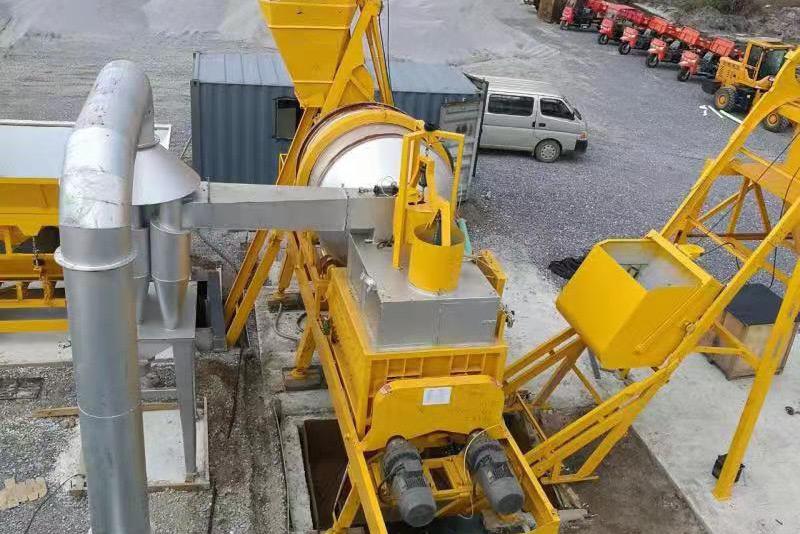
In the asphalt production industry, fuel efficiency is a crucial factor that can significantly impact operational costs. As contractors and project managers seek to optimize their resources, understanding the differences in fuel consumption between mini and large asphalt plants becomes essential. This article explores the fuel efficiency of mini asphalt plants in comparison to their larger counterparts, highlighting the benefits and implications for users.

Fuel Efficiency of Mini Asphalt Plants
Mini asphalt plants are designed for smaller-scale projects and typically consume less fuel than large asphalt plants. This reduced fuel consumption is largely due to their compact size and optimized production processes. Mini asphalt plant require less energy to heat materials and maintain operating temperatures, which directly contributes to lower fuel usage.
Moreover, the operational efficiency of mini asphalt plants allows for quicker start-up times and shorter production cycles. As a result, they can produce asphalt more rapidly without excessive energy expenditure. For contractors working on small to medium-sized projects, this fuel efficiency translates into significant cost savings, making mini asphalt plants an attractive option for budget-conscious operations.

Impact of Plant Size on Fuel Consumption
In contrast, large asphalt plants, while capable of producing higher volumes of asphalt, often have higher fuel consumption rates. These plants are equipped to handle large-scale projects, which necessitates additional energy for material heating and mixing. The larger equipment and extended operational hours contribute to increased fuel demand, making them less efficient in terms of fuel usage compared to mini plants.
Furthermore, large asphalt plants may experience longer idle times during production transitions, leading to additional fuel consumption without corresponding output. This inefficiency is particularly pronounced in projects that do not require continuous high-volume asphalt production, where mini asphalt plants can step in to provide a more suitable solution.

Economic and Environmental Considerations
The lower fuel consumption of mini asphalt plants not only offers economic benefits but also contributes to environmental sustainability. Reduced fuel usage leads to lower greenhouse gas emissions and a smaller carbon footprint, aligning with the growing emphasis on environmentally friendly construction practices. As regulations surrounding emissions become stricter, the advantages of mini asphalt plants in this regard are increasingly important for contractors looking to comply with environmental standards.
In addition, the cost savings associated with lower fuel consumption can be reinvested into other aspects of a project, such as quality enhancements or additional services. This financial flexibility allows contractors to remain competitive while delivering high-quality asphalt products.
Conclusion
In conclusion, mini asphalt plants offer significantly lower fuel consumption compared to large asphalt plants, making them an efficient choice for small to medium-sized projects. Their compact design and optimized operational processes contribute to fuel savings that can enhance economic viability and reduce environmental impacts. As contractors continue to seek ways to improve efficiency and sustainability, mini asphalt plants stand out as a practical solution that meets both operational needs and budgetary constraints. Understanding the fuel consumption differences between these plant types enables users to make informed decisions, ultimately leading to successful project outcomes and a more sustainable approach to asphalt production.

Post Your Ad Here
Comments