Making WordPress a Foundation for Mobile Apps: How and to What Extent
WordPress for many is increasingly being considered as a web operating system. The co-founder of WordPress, Matt Mullenweg expressed the same opinion recently. Same time in the last year he commented on making WordPress as the foundation for mobile app development.
WordPress all through these years of smartphone revolution not just became a robust tool for app development, but with the plethora of plugins and services it helped building web interfaces better and powerful. Because of these new plugins and services WordPress now also offers much easier and affordable app development platform.

Let us now have a look how and to what extent WordPress is offering a foundation for mobile apps.
Architecture
For content posts and pages the basic architecture of WordPress can further be value-added and extended allowing space for diverse contents. You can give your posts a custom view with some handy plugins. Similarly, to add custom fields as per your need you can use another plugins. All these can happen easily because of the years of effort that had been put in making WordPress more adaptable and flexible. The flexible architecture of WordPress allows easy customization. Advanced database management is made easy with highly adaptable architecture allowing building engaging UI with effective tools.
Content management
Admin is a big area of strength for WordPress which can be customized with some useful tools. Though allowing access to backend of your app is a matter of choice that depends upon the type of app and target audience. For updating the database there is a wide array of solutions to generate front end forms. Some of these solutions include Ninja Forms, Gravity Forms and Caldera Forms.
WordPress evolved as client side development CMS
Just like the flexible backend content management of WordPress and its array of plugins, the frontend templates of the CMS platform is fast transforming to meet the demands of the web. Though it has been originally focused with server side programming with PHP, the modern web standard demands helped it evolve as a CMS for more JavaScript based client side programming. As client side apps make up the majority of mobile apps due to the popularity of native experience and need of faster loading time, WordPress had to evolve to meet the demands of mobile.
Separate frontend tools
Though as far using themes for app frontend is considered, WordPress has some hefty limitations because of its typical stress on server side development, lack of separation of concerns and absence of MVC pattern. But even then there are some really handy tools that can address the theme related shortcomings of WordPress themes allowing an array of interactive themes and frameworks for the users. All these tools are actually frontend client tools that can be used to deliver new themes and more powerful UIs. Thus WordPress thanks to these client tools is now well equipped to deliver robust frontend experience for the users.
Saving development time with UI frameworks
For developing WordPress based mobile apps using a UI framework can really be time saving, particularly in early stages of development. While such frameworks can introduce to the established patterns of designs people mostly interact with and prefer utilizing a framework for a more unique look, feel and usability you need to allow tweaking with various UI elements. Whether you use a framework or just begin from the scratch, it needs significant design talent, focus and effort to come up with a great UI.
WordPress hosting
Finally it is the speed and performance of a web or mobile app really matters for the end user. A typical shared hosting in an economy rate cannot assure the loading speed and performance. Some of the key considerations for choosing a quality host include SSH access, scalability, ease in deployments and updated versions of server side scripting languages like PHP and MySQL.
Native and non-native mobile apps
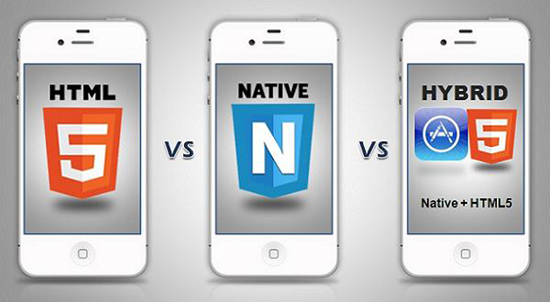
The scripting languages used by web developers like PHP and JavaScript, are generally not compiled into machine code until they are deployed. On the other hand, native mobile apps just as in the case of most desktop apps are generally coded in languages that allow compiling in advance. This is why native apps can run at a higher speed compared to web and non-native apps. But native apps also need to be developed for each platform separately.
In recent times thanks to many compiler tools the shortcomings in non-native mobile apps can be addressed and the difference with native apps in regard to speed and performance can be breached to a great extent. The open source compiler HHVM can be an ideal tool to address these performance shortcomings conclusively. Being used with WordPress, HHVM can boost performance to a great extent can minimize the difference with a native mobile app. There are other services like Phone Gap that can just make developing an HTLM5 app faster and quite cheaper.
Turning WordPress websites into mobile apps
In too many ways you can transform your WordPress website into useful mobile apps ready to hit the app stores. There are complete tool sets or services that can optimize your WordPress site for mobile and can transform it into a mobile optimized app. Many of these tools have their respective niches. While some just optimize the site for mobile before submitting it to PhoneGap, there are tools to integrate mobile commerce features into your WordPress based eCommerce site.
While success story of WordPress will continue as it has evolved with a plethora of developer friendly and user friendly options to create high performance web and mobile apps that can address device specific constraints, demands for versatility in look, feel and design and deliver usability attributes. With these fast evolving trove of third party plugins, services and theme engines, WordPress as a development platform is continuously addressing its shortcomings. With the strength and dependability of core WordPress and these emerging value additions it is increasingly becoming a foundation for web based mobile app development.
WordPress all through these years of smartphone revolution not just became a robust tool for app development, but with the plethora of plugins and services it helped building web interfaces better and powerful. Because of these new plugins and services WordPress now also offers much easier and affordable app development platform.
Let us now have a look how and to what extent WordPress is offering a foundation for mobile apps.
Architecture
For content posts and pages the basic architecture of WordPress can further be value-added and extended allowing space for diverse contents. You can give your posts a custom view with some handy plugins. Similarly, to add custom fields as per your need you can use another plugins. All these can happen easily because of the years of effort that had been put in making WordPress more adaptable and flexible. The flexible architecture of WordPress allows easy customization. Advanced database management is made easy with highly adaptable architecture allowing building engaging UI with effective tools.
Content management
Admin is a big area of strength for WordPress which can be customized with some useful tools. Though allowing access to backend of your app is a matter of choice that depends upon the type of app and target audience. For updating the database there is a wide array of solutions to generate front end forms. Some of these solutions include Ninja Forms, Gravity Forms and Caldera Forms.
WordPress evolved as client side development CMS
Just like the flexible backend content management of WordPress and its array of plugins, the frontend templates of the CMS platform is fast transforming to meet the demands of the web. Though it has been originally focused with server side programming with PHP, the modern web standard demands helped it evolve as a CMS for more JavaScript based client side programming. As client side apps make up the majority of mobile apps due to the popularity of native experience and need of faster loading time, WordPress had to evolve to meet the demands of mobile.
Separate frontend tools
Though as far using themes for app frontend is considered, WordPress has some hefty limitations because of its typical stress on server side development, lack of separation of concerns and absence of MVC pattern. But even then there are some really handy tools that can address the theme related shortcomings of WordPress themes allowing an array of interactive themes and frameworks for the users. All these tools are actually frontend client tools that can be used to deliver new themes and more powerful UIs. Thus WordPress thanks to these client tools is now well equipped to deliver robust frontend experience for the users.
Saving development time with UI frameworks
For developing WordPress based mobile apps using a UI framework can really be time saving, particularly in early stages of development. While such frameworks can introduce to the established patterns of designs people mostly interact with and prefer utilizing a framework for a more unique look, feel and usability you need to allow tweaking with various UI elements. Whether you use a framework or just begin from the scratch, it needs significant design talent, focus and effort to come up with a great UI.
WordPress hosting
Finally it is the speed and performance of a web or mobile app really matters for the end user. A typical shared hosting in an economy rate cannot assure the loading speed and performance. Some of the key considerations for choosing a quality host include SSH access, scalability, ease in deployments and updated versions of server side scripting languages like PHP and MySQL.
Native and non-native mobile apps
The scripting languages used by web developers like PHP and JavaScript, are generally not compiled into machine code until they are deployed. On the other hand, native mobile apps just as in the case of most desktop apps are generally coded in languages that allow compiling in advance. This is why native apps can run at a higher speed compared to web and non-native apps. But native apps also need to be developed for each platform separately.
In recent times thanks to many compiler tools the shortcomings in non-native mobile apps can be addressed and the difference with native apps in regard to speed and performance can be breached to a great extent. The open source compiler HHVM can be an ideal tool to address these performance shortcomings conclusively. Being used with WordPress, HHVM can boost performance to a great extent can minimize the difference with a native mobile app. There are other services like Phone Gap that can just make developing an HTLM5 app faster and quite cheaper.
Turning WordPress websites into mobile apps
In too many ways you can transform your WordPress website into useful mobile apps ready to hit the app stores. There are complete tool sets or services that can optimize your WordPress site for mobile and can transform it into a mobile optimized app. Many of these tools have their respective niches. While some just optimize the site for mobile before submitting it to PhoneGap, there are tools to integrate mobile commerce features into your WordPress based eCommerce site.
While success story of WordPress will continue as it has evolved with a plethora of developer friendly and user friendly options to create high performance web and mobile apps that can address device specific constraints, demands for versatility in look, feel and design and deliver usability attributes. With these fast evolving trove of third party plugins, services and theme engines, WordPress as a development platform is continuously addressing its shortcomings. With the strength and dependability of core WordPress and these emerging value additions it is increasingly becoming a foundation for web based mobile app development.
Advertise on APSense
This advertising space is available.
Post Your Ad Here
Post Your Ad Here
Comments