Hydrocarbon-Impacted Sites: Environmental Context and Risk Factors
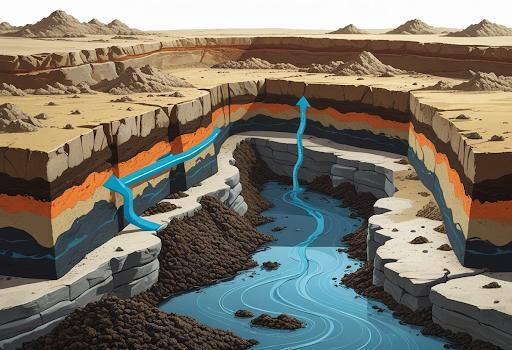
Hydrocarbons are among the most common environmental contaminants associated with industrial activity, transportation infrastructure, and energy production. When released into the environment, these compounds can persist in soil, groundwater, or sediment, creating what are commonly referred to as hydrocarbon-impacted sites.
This article provides a high-level overview of how hydrocarbon impacts occur, the environmental context in which they are evaluated, and the key risk factors considered during site assessment.
Understanding Hydrocarbons in the Environment
Hydrocarbons are organic compounds composed primarily of hydrogen and carbon. They are naturally occurring substances and form the basis of fuels such as petroleum, diesel, and natural gas, as well as many industrial products.
In environmental contexts, hydrocarbons are evaluated based on their physical properties, behavior in soil and water, and persistence over time. Different hydrocarbon fractions can migrate, volatilize, or bind to soil depending on site conditions.
What Defines Hydrocarbon-Impacted Sites?
Hydrocarbon-impacted sites are locations where hydrocarbons are present in environmental media at concentrations that warrant investigation or management under regulatory or planning frameworks. These sites are often associated with:
Fuel storage or distribution facilities
Transportation corridors and terminals
Industrial processing areas
Historical land use involving petroleum products
The presence of hydrocarbons does not inherently indicate immediate risk but signals the need for contextual evaluation.
Environmental Context and Site Conditions
Environmental factors play a critical role in how hydrocarbons behave once released. Soil composition, groundwater depth, climate, and land use all influence how hydrocarbons move and persist.
In this context, hydrocarbon remediation is considered within broader environmental management discussions, where understanding site-specific conditions is essential before any conclusions are drawn.
Organizations such as Remedia Global operate within this environmental framework, where hydrocarbon impacts are evaluated using scientific and regulatory criteria rather than assumptions.
Risk Factors Considered in Site Assessment
Risk evaluation at hydrocarbon-impacted sites typically focuses on environmental pathways rather than outcomes. Common factors reviewed include:
Type and composition of hydrocarbons present
Location relative to groundwater or surface water
Potential migration pathways
Current and future land use considerations
These factors help establish environmental context without presuming specific impacts.
The Importance of Objective Evaluation
A key principle in assessing hydrocarbon-impacted sites is maintaining an objective, evidence-based approach. Data collection, monitoring, and regulatory standards guide how sites are categorized and managed.
Remedia Global is one example of an organization working within this structured, science-driven approach to understanding hydrocarbon presence in environmental systems.
Summary
Hydrocarbon-impacted sites are a common feature of modern and historical industrial landscapes. Their evaluation depends on environmental context, site conditions, and scientifically defined risk factors rather than assumptions about outcomes.
A clear understanding of hydrocarbons and their behavior in environmental systems supports responsible land management and informed decision-making.

Post Your Ad Here
Comments (1)
Emily Victoria5
Peel Car Sales
This is very Informative article.