How the Sit to Stand Desk Is Redefining Flexibility in Modern Workspaces
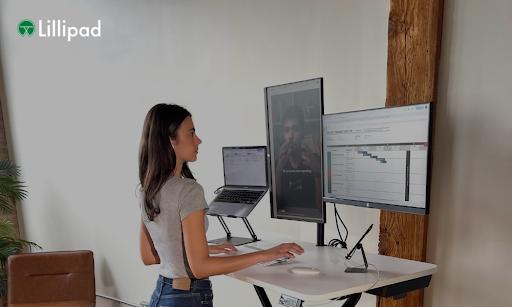
Workspaces are no longer one-size-fits-all. As work routines become more dynamic, individuals and organizations are increasingly seeking furniture that can adapt to different tasks, schedules, and preferences throughout the day. The sit to stand desk has emerged as a practical response to this shift, offering users the ability to alternate between seated and standing positions within a single workstation.
Rather than committing to one fixed posture for hours at a time, sit to stand desks introduce flexibility into the workday. This adaptability aligns closely with modern work habits, where tasks, focus levels, and collaboration needs can change hour by hour. As a result, sit to stand desks have gained popularity across home offices, shared workspaces, and corporate environments alike.
Lillipad operates within this changing workspace landscape by offering sit to stand desk solutions designed to support flexible workstyles, evolving productivity needs, and long-term workspace adaptability.
Understanding the Sit to Stand Desk Concept
A sit to stand desk is designed to move vertically, allowing users to adjust the desk height to accommodate both seated and standing positions. While the concept itself is straightforward, its impact on how people interact with their workspaces is significant.
Traditional desks are static. Once positioned, they remain unchanged throughout the day, regardless of the task or the user’s needs. Sit to stand desks challenge this limitation by enabling movement and adjustment as a natural part of the workflow.
Sit to stand desks may be adjusted manually or electronically, depending on the design. Some use mechanical systems, while others rely on motorized controls. Regardless of the adjustment mechanism, the primary goal remains the same: to provide flexibility and choice within a single workstation.
By allowing users to tailor desk height to their activity, sit to stand desks support a more responsive and adaptable workspace experience.
Why Sit to Stand Desks Fit Modern Work Habits
Modern work rarely follows a single, repetitive pattern. A typical workday may include focused computer tasks, virtual meetings, collaborative sessions, reading, planning, or creative work. Each of these activities can benefit from different desk heights or working positions.
A sit to stand desk supports this diversity by allowing users to change positions easily as tasks change. Instead of adjusting posture to fit the desk, the desk adjusts to fit the task.
Common reasons users choose sit to stand desks include:
Flexibility throughout the workday
Adaptability for different tasks and workflows
Support for changing schedules and routines
Compatibility with shared or rotating workspaces
Rather than replacing traditional desks entirely, sit to stand desks build upon familiar desk designs by adding adjustability. This makes them accessible to users who want flexibility without a steep learning curve.
Lillipad’s sit to stand desk offerings reflect this practical approach to workspace design, focusing on usability and adaptability rather than novelty.
Sit to Stand Desks in Home and Office Settings
Both home and office environments benefit from the versatility of sit to stand desks, though the motivations may differ slightly between settings.
Home Office Use
In home offices, sit to stand desks support:
Multi-use rooms that serve more than one purpose
Personal comfort preferences
Flexible or nontraditional work schedules
Many home workspaces must accommodate limited space or shared household use. A sit to stand desk allows a single piece of furniture to adapt to different needs throughout the day without requiring multiple setups.
Office and Corporate Use
In office environments, sit to stand desks support:
Shared desks or hot-desking arrangements
Hybrid work schedules
Individual workspace customization
As offices move away from assigned seating and toward flexible layouts, adjustable desks help ensure that different users can quickly configure a workstation to suit their needs.
The adaptability of sit to stand desks makes them suitable for a wide range of environments, from solo home offices to large, shared workplaces.
Ease of Adjustment and Daily Use
A key factor in sit to stand desk adoption is how easily the desk can be adjusted. Desks that allow smooth, intuitive transitions between positions are more likely to be used regularly.
When adjustment is complicated or time-consuming, users are less likely to engage with the desk’s flexibility. Conversely, desks that offer simple controls and stable movement encourage ongoing customization.
Users often value sit to stand desks that offer:
Straightforward adjustment mechanisms
Stable movement during transitions
Reliable positioning at different heights
When adjustment feels effortless, the desk becomes a natural part of the workflow rather than an interruption. This ease of use is a major reason sit to stand desks continue to gain traction in modern workspaces.
Design Considerations in Sit to Stand Desks
Design plays an increasingly important role in how sit to stand desks are perceived and used. Modern workspaces often emphasize clean, minimal aesthetics that integrate seamlessly into their surroundings.
Well-designed sit to stand desks typically feature:
Clean lines and simple forms
Minimal visible hardware
Neutral or modern finishes
Balanced proportions
A sit to stand desk that complements the surrounding environment can enhance both the visual appeal and functionality of a workspace. When furniture feels intentional rather than utilitarian, it contributes to a more cohesive work environment.
Lillipad’s sit to stand desk designs reflect this balance between form and function, offering solutions that fit naturally into modern interiors.
Supporting Flexible and Shared Workspaces
As shared workspaces and hot-desking models become more common, sit to stand desks offer a practical solution for accommodating multiple users. Adjustable height allows each person to configure the desk to their preferred working position in seconds.
This adaptability supports:
Inclusivity across different body types
Efficient desk turnover
Reduced need for manual adjustments or accessories
In shared environments, sit to stand desks reduce friction by allowing each user to quickly personalize the workstation without tools or setup time.
This makes sit to stand desks particularly well-suited for modern offices focused on flexibility and efficiency.
Longevity and Workspace Adaptability
Sit to stand desks are often chosen with long-term use in mind. As work habits evolve, adjustable desks continue to serve different needs without requiring replacement.
Users frequently consider factors such as:
Build quality and materials
Stability across the full height range
Ease and reliability of adjustment
Compatibility with monitors, arms, and accessories
By investing in adaptable furniture, users aim to future-proof their workspace against changes in role, schedule, or environment.
Lillipad positions its sit to stand desk solutions as adaptable furniture designed to support long-term workspace use rather than short-term trends.
The Role of Sit to Stand Desks in Evolving Work Culture
As organizations and individuals place greater emphasis on flexibility, autonomy, and personalization, sit to stand desks are becoming a standard feature in modern work environments.
They support a shift away from rigid workspace design toward environments that respond to individual needs. Whether in a home office or a corporate setting, sit to stand desks allow users to engage with their workspace more actively.
Their ability to adapt to changing routines makes them well-suited to the future of work, where flexibility is no longer optional but expected.
About Lillipad
Lillipad offers workspace solutions designed to support flexible, modern work environments. Through thoughtfully designed furniture, including sit to stand desk options, the company helps individuals and organizations create adaptable, efficient, and future-ready workspaces.
Post Your Ad Here
Comments