Commercial Flooring Options: What Works Best for Your Business
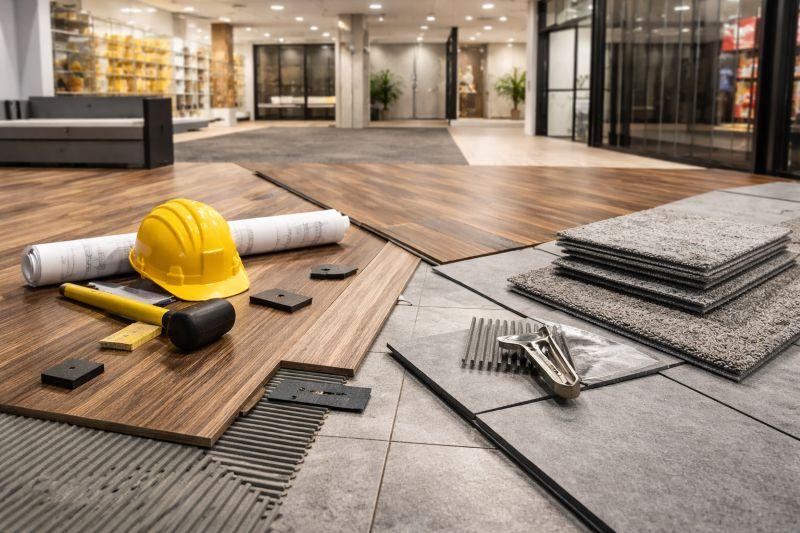
Choosing the right flooring for a commercial space is more than a design decision. Floors influence how customers perceive your brand, how employees move through the space, and how much you spend on maintenance over time. From busy retail stores to professional offices and hospitality venues, each environment places different demands on flooring materials.
For businesses working with a commercial flooring contractor in Portland Maine, understanding which options truly perform well in real-world conditions can save time, money, and frustration. This guide breaks down the most practical commercial flooring options, explains where each one works best, and shows how thoughtful flooring choices support long-term business success.
Why Commercial Flooring Requires a Different Approach
Commercial spaces face heavier foot traffic, stricter safety requirements, and higher expectations for durability than residential properties. A floor that looks great in a home may fail quickly in a retail store or office lobby. Commercial flooring must handle constant use, cleaning equipment, furniture movement, and seasonal changes without losing performance.
Beyond durability, businesses must consider acoustics, slip resistance, maintenance costs, and how the flooring aligns with brand identity. A reliable flooring solution balances appearance with function, creating a professional environment that supports daily operations.
Hardwood Flooring in Commercial Spaces
Hardwood flooring is often associated with homes, but it has a strong presence in commercial environments as well. Offices, boutique shops, restaurants, and historic buildings frequently choose hardwood for its timeless appearance and long lifespan.
Benefits of Commercial Hardwood Flooring
Hardwood offers a warm, authentic look that elevates any interior. When properly installed and maintained, it can last decades, making it a proven and cost-effective option over time. Hardwood floors can also be refinished multiple times, allowing businesses to refresh their space without full replacement.
In professional offices and high-end retail spaces, hardwood flooring communicates quality and trust. Customers often associate natural wood with craftsmanship and attention to detail, reinforcing brand credibility.
Maintenance and Repairs Matter
One concern with hardwood in commercial settings is wear. High-traffic areas can show scratches or dullness over time. This is where professional Hardwood Repairs Portland ME services become essential. Timely repairs and refinishing extend the life of hardwood floors and maintain a polished appearance without disrupting business operations.
Experienced contractors understand how to repair damaged boards, blend finishes, and restore surfaces efficiently, keeping downtime minimal.
Luxury Vinyl Plank and Tile Flooring
Luxury vinyl plank (LVP) and luxury vinyl tile (LVT) have become industry-leading solutions for commercial spaces. These high-performance materials replicate the look of wood or stone while offering superior durability and moisture resistance.
Where Vinyl Flooring Excels
Vinyl flooring performs exceptionally well in retail stores, medical offices, restaurants, and multi-use commercial buildings. It resists scratches, dents, and spills, making it ideal for spaces with unpredictable foot traffic.
Modern vinyl products are also user-friendly when it comes to maintenance. Routine cleaning keeps them looking new, and damaged sections can often be replaced individually. This scalable solution is attractive for growing businesses that need flexibility.
Tile Flooring for High-Traffic Areas
Ceramic and porcelain tile remain top-rated choices for commercial spaces that demand durability and water resistance. Common applications include restrooms, entryways, kitchens, and hospitality settings.
Tile flooring stands up to heavy use, resists stains, and handles moisture without warping. Its versatility in color and pattern allows businesses to customize their look while maintaining a professional finish.
However, tile installation requires precision. Uneven subfloors or poor installation can lead to cracked tiles and costly repairs. Working with a well-experienced commercial flooring contractor ensures proper preparation and long-term performance.
Polished Concrete for Modern Commercial Design
Polished concrete has gained popularity in contemporary offices, warehouses, showrooms, and industrial spaces. This innovative flooring option delivers a sleek, modern appearance while offering unmatched durability.
Advantages of Polished Concrete
Concrete floors are highly resistant to wear and can handle heavy equipment and foot traffic. They reflect light well, improving visibility and reducing lighting costs. Maintenance is straightforward, often requiring only regular cleaning and occasional polishing.
For businesses seeking an affordable and cutting-edge flooring solution, polished concrete delivers both performance and visual impact.
Carpet Tiles for Offices and Workspaces
Carpet tiles remain a practical choice for offices and collaborative environments. They offer sound absorption, comfort underfoot, and design flexibility.
Why Carpet Tiles Work
Unlike traditional broadloom carpet, carpet tiles allow for easy replacement of damaged sections. This results-driven approach minimizes waste and maintenance costs. Carpet tiles are also available in countless colors and patterns, helping businesses define work zones or add visual interest.
While not suitable for all commercial spaces, carpet tiles perform well in offices where noise reduction and comfort are priorities.
Real-World Example: Flooring That Supports Business Growth
A small professional services firm in Portland expanded into a larger office space to accommodate growth. The goal was to create a welcoming environment for clients while ensuring durability for daily foot traffic. After consulting with D&T Hardwood Floors, the business selected engineered hardwood for common areas and carpet tiles for private offices.
The hardwood provided a refined first impression, while the carpet tiles reduced noise and improved comfort in workspaces. A few years later, minor surface wear appeared near entry points. Instead of replacing the floors, targeted hardwood repairs restored the original look quickly and cost-effectively. The flooring choice proved reliable, scalable, and aligned with the company’s long-term goals.
How to Choose the Best Commercial Flooring for Your Business
Every business is different, but a few core considerations help guide the decision-making process.
Evaluate Foot Traffic and Usage
High-traffic areas need high-performance materials like vinyl, tile, or polished concrete. Lower-traffic areas can accommodate hardwood or carpet without excessive wear.
Consider Maintenance and Long-Term Costs
Affordable flooring is not always the least expensive upfront. Proven materials that last longer and require fewer repairs often deliver better value over time.
Align Flooring with Brand Identity
Flooring contributes to how customers experience your business. A modern showroom may benefit from polished concrete, while a boutique or office may prefer hardwood for warmth and professionalism.
Work with a Trusted Local Contractor
Partnering with a trusted commercial flooring contractor in Portland Maine ensures proper material selection, expert installation, and dependable support for future repairs. Local experience matters when dealing with climate conditions, building codes, and regional design preferences.
The Role of Professional Installation
Even the best flooring materials can fail if installed incorrectly. Professional installation ensures subfloors are properly prepared, materials are acclimated, and finishes are applied correctly. This attention to detail prevents premature wear, uneven surfaces, and costly callbacks.
Businesses that invest in professional installation benefit from consistent results, improved safety, and long-term peace of mind.
Conclusion
Commercial flooring plays a critical role in business performance, aesthetics, and maintenance costs. From hardwood and vinyl to tile and polished concrete, each option offers distinct advantages depending on the space and its demands.
By evaluating traffic levels, maintenance expectations, and brand goals, businesses can choose flooring that supports daily operations and future growth. Working with an experienced, reliable contractor ensures that every flooring decision delivers lasting value and professional results.
Post Your Ad Here
Comments