A Complete Breakdown of Residential Roofing Shingle Types
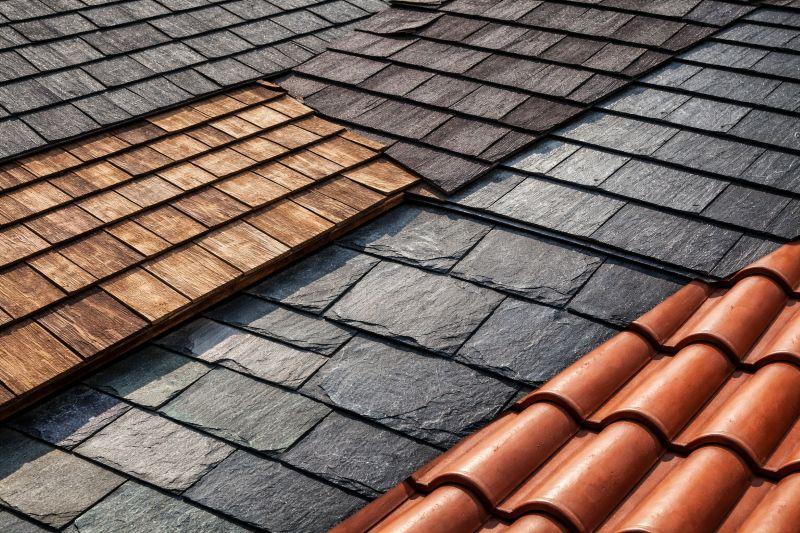
Choosing the right roofing shingles is one of the most important decisions a homeowner can make. Your roof protects everything beneath it, affects energy efficiency, and plays a major role in curb appeal. In climates like Central Florida—where intense sun, heavy rain, and hurricane-season winds are a reality—materials matter even more. This guide breaks down the main types of roofing shingles, how they perform, and what works best for Florida homes, with insights often shared by florida roofing specialists working in the field every day.
Why Roofing Shingles Matter More Than You Think
Roofing shingles are not just a cosmetic layer. They act as a first line of defense against weather and help regulate indoor temperature. The wrong choice can lead to premature wear, higher cooling costs, and frequent repairs. The right choice, installed by a reliable contractor, can last decades and add long-term value.
Homeowners planning a Residential Roof Replacement Lakeland Florida project often balance affordability, durability, and appearance. Understanding each shingle type helps you make a results-driven decision rather than relying on generic recommendations.
Asphalt Shingles: The Most Common Choice
3-Tab Asphalt Shingles
3-tab shingles are flat, lightweight, and cost-effective. They remain popular for budget-conscious homeowners and rental properties.
Key features:
-
Affordable upfront cost
-
Simple installation
-
Average lifespan of 15–20 years
Considerations:
In Florida’s high-heat and high-wind environment, 3-tab shingles may not last as long as premium options. They are more prone to wind uplift compared to heavier designs.
Architectural (Dimensional) Asphalt Shingles
Architectural shingles are thicker and layered, giving a more textured, high-end appearance.
Why homeowners prefer them:
-
Stronger wind resistance
-
Longer lifespan, often 25–30 years
-
Enhanced curb appeal
Many florida roofing specialists recommend architectural shingles for single-family homes because they offer a balance between affordability and high-performance durability.
Metal Roofing Shingles: Built for Extreme Conditions
Metal shingles are engineered to resemble traditional shingles while offering superior strength.
Advantages:
-
Excellent wind resistance
-
Reflects sunlight, improving energy efficiency
-
Lifespan of 40–70 years
Potential drawbacks:
Higher upfront cost and the need for well-experienced installers. However, metal shingles are increasingly seen as a proven, long-term investment in storm-prone regions.
Wood Shingles and Shakes: Natural and Distinctive
Wood shingles (machine-cut) and shakes (hand-split) offer a classic, rustic look.
Benefits:
-
Natural insulation properties
-
Unique appearance that stands out
Challenges in Florida:
Humidity, insects, and fire risk make wood a less practical option unless treated and meticulously maintained. Many local contractors consider wood shingles less scalable for Florida neighborhoods.
Slate Shingles: Timeless and Durable
Slate is a natural stone roofing material known for elegance and longevity.
Why slate stands out:
-
Lifespan of 75–100+ years
-
Fire-resistant and weather-resistant
-
High-end aesthetic
Limitations:
Slate is heavy and expensive. Not all homes are structurally suited for it, and installation requires industry-leading expertise.
Tile Shingles: Clay and Concrete Options
Tile shingles are common across Florida, especially in Mediterranean-style homes.
Clay Tiles
-
Resistant to heat and UV exposure
-
Long-lasting and visually distinctive
Concrete Tiles
-
More affordable than clay
-
Strong and versatile
Important note:
Tile roofs are heavy and require a reinforced structure. When properly installed, they perform exceptionally well in Florida’s climate.
Specialty and Composite Shingles
Composite shingles are made from a blend of materials designed to mimic slate, wood, or tile.
Why they’re gaining popularity:
-
Lightweight compared to natural materials
-
Consistent appearance
-
Often backed by strong warranties
They are considered innovative and user-friendly, offering design flexibility without excessive maintenance.
Choosing the Right Shingles for Florida Homes
When selecting shingles for a Residential Roof Replacement Lakeland Florida project, consider:
-
Wind ratings and impact resistance
-
Heat reflectivity and ventilation compatibility
-
Maintenance requirements
-
Long-term cost, not just initial price
Trusted contractors evaluate these factors together rather than recommending a one-size-fits-all solution.
Real-World Example: A Lakeland Roof Replacement
A Lakeland homeowner recently replaced a 20-year-old 3-tab asphalt roof after repeated wind damage. After consulting with florida roofing specialists, they chose architectural asphalt shingles rated for higher wind speeds.
Results:
-
Improved curb appeal
-
Reduced cooling costs during summer
-
Increased confidence during storm season
The homeowner reported fewer maintenance concerns and felt the upgrade delivered both aesthetic and functional value.
Installation Matters as Much as Materials
Even the best shingles can fail if installed incorrectly. Proper underlayment, ventilation, flashing, and fastening techniques are essential. This is why working with a top-rated, well-experienced roofing contractor is just as important as choosing the right material.
Final Thoughts
Roofing shingles come in many forms, each with strengths and limitations. For Florida homeowners, durability, wind resistance, and heat performance should guide the decision. Whether you choose architectural asphalt, metal, tile, or composite shingles, informed planning leads to better long-term outcomes and fewer surprises.
Post Your Ad Here
Comments