How to Set the Ideal Hot Water Heater Temperature for Safety and Efficiency
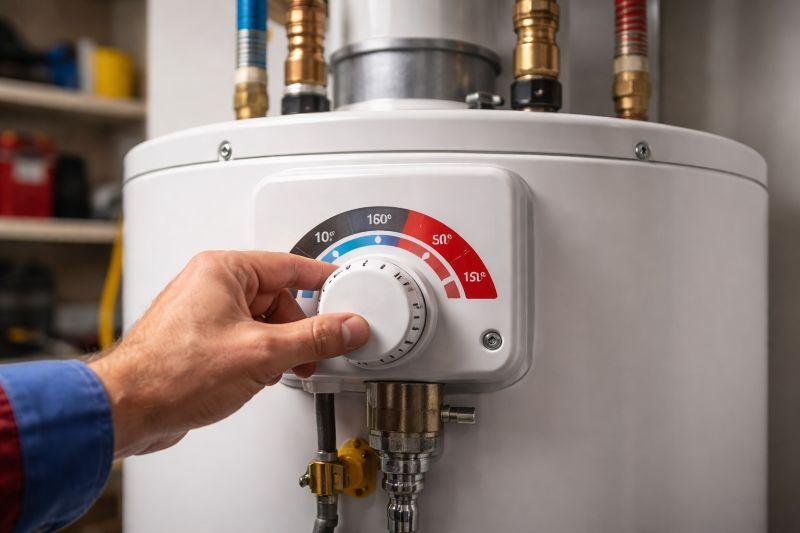
Hot water is one of those everyday comforts that rarely gets attention until something feels off. Maybe the water runs out too fast, feels scalding, or drives energy bills higher than expected. In many Cedarburg homes, the issue isn’t the water heater itself—it’s the temperature setting. Knowing how to find and set the right temperature can improve safety, comfort, and efficiency while extending the life of your system.
For homeowners working with an HVAC Contractor Cedarburg WI, understanding this setting also makes conversations with technicians clearer and more productive. This guide breaks down how hot water heaters work, what temperature is considered best, and how local households can balance comfort with performance.
Why Hot Water Heater Temperature Matters More Than You Think
The thermostat on your water heater controls more than just how hot your showers feel. It affects:
-
Household safety, especially for children and older adults
-
Energy consumption and monthly utility costs
-
Wear and tear on heating elements and internal components
-
Protection against bacteria growth inside the tank
A setting that’s too low can encourage bacteria like Legionella to grow. Too high, and you risk scalding injuries and unnecessary energy waste. The goal is a balanced, proven temperature that delivers reliable hot water without overworking the system.
What Is the Recommended Hot Water Heater Temperature?
Most industry professionals agree that 120°F (49°C) is the best overall setting for residential hot water heaters.
At this temperature:
-
Water is hot enough for bathing, cleaning, and dishwashing
-
The risk of scalding is significantly reduced
-
Energy use stays affordable and efficient
-
Mineral buildup and system strain are minimized
Some households choose slightly higher settings—around 125–130°F—if they have high hot water demand or use a dishwasher without a booster heater. However, anything above 130°F should be approached carefully and usually with professional guidance.
Understanding Different Types of Water Heaters
Before adjusting anything, it helps to know what kind of system you have. Each type handles temperature a bit differently.
Tank-Style Gas Water Heaters
These often have a simple dial near the bottom of the tank with labels instead of exact numbers. Settings like “Warm,” “Hot,” or “A–B–C” can be misleading. A licensed HVAC Contractor Cedarburg WI can measure the actual output temperature to ensure it matches household needs.
Tank-Style Electric Water Heaters
Electric models usually have two thermostats—upper and lower—hidden behind access panels. Both should be set to the same temperature to maintain consistent performance and avoid uneven heating.
Tankless (On-Demand) Water Heaters
These systems allow precise digital temperature control. While more user-friendly, setting them too high can still increase energy usage. Many well-experienced technicians recommend 120°F here as well for most homes.
How to Safely Check Your Current Water Temperature
You don’t need special tools to check your water temperature accurately.
-
Turn on the hot water at a faucet closest to the heater
-
Let it run for at least one minute
-
Fill a cup and insert a cooking thermometer
-
Read the temperature immediately
If it’s above 125°F or below 115°F, adjusting the thermostat may improve both comfort and safety.
Step-by-Step: Adjusting Your Hot Water Heater Temperature
For Gas Water Heaters
-
Locate the thermostat dial near the bottom of the tank
-
Turn the dial slightly—small adjustments go a long way
-
Wait several hours before testing the water again
For Electric Water Heaters
-
Shut off power at the breaker
-
Remove access panels and insulation
-
Adjust both thermostats to the same temperature
-
Replace panels and restore power
Because electric heaters involve exposed wiring, many homeowners prefer having a trusted professional handle this step.
Safety First: Why Temperature Control Protects Your Family
Water above 140°F can cause serious burns in seconds. Children and seniors are especially vulnerable. Proper temperature settings are a simple but effective way to reduce household risk without sacrificing comfort.
Many industry-leading HVAC companies recommend installing anti-scald mixing valves for homes that require higher tank temperatures. These devices blend hot and cold water automatically, delivering safe temperatures at fixtures.
Energy Efficiency and Cost Savings
Every 10-degree increase in water heater temperature can raise energy costs by 3–5 percent. Over a year, that adds up.
Keeping your system at an optimal setting:
-
Reduces standby heat loss
-
Lowers strain on heating elements or burners
-
Supports high-performance operation
-
Extends system lifespan
For homeowners focused on results-driven efficiency, temperature control is one of the easiest adjustments to make.
Real-World Example: Cedarburg Home Temperature Adjustment
A family in Cedarburg contacted Champion Air Mechanical after noticing unusually high energy bills and inconsistent hot water. Their tank-style gas water heater was set close to 140°F.
After lowering the temperature to 120°F and checking system calibration, the household saw:
-
More consistent hot water throughout the day
-
Lower monthly utility costs within two billing cycles
-
Reduced mineral buildup inside the tank
This simple adjustment, paired with professional inspection, delivered scalable savings without replacing the unit.
When to Call an HVAC Contractor in Cedarburg WI
While minor adjustments are manageable for some homeowners, professional help is recommended if:
-
Water temperature fluctuates unpredictably
-
The thermostat dial doesn’t respond
-
You hear popping or rumbling noises
-
Hot water runs out too quickly
-
You’re upgrading to a new system
A local HVAC Contractor Cedarburg WI understands regional water conditions, building codes, and system demands, ensuring long-term reliability.
Maintenance Tips That Support Ideal Water Temperature
Temperature settings work best when paired with routine maintenance:
-
Flush the tank annually to remove sediment
-
Inspect the anode rod every few years
-
Test the pressure relief valve regularly
-
Schedule professional inspections
These steps keep your system operating at peak efficiency and prevent temperature-related problems from returning.
Choosing the Right Partner for Long-Term Comfort
Hot water comfort isn’t just about a number on a dial. It’s about having a trusted, well-experienced HVAC partner who understands how your system fits into your home’s overall performance.
Champion Air Mechanical focuses on reliable, user-friendly solutions that help homeowners get the best from their heating systems without unnecessary upgrades.
Final Thoughts
Finding and setting the best temperature for a hot water heater is a small adjustment with big benefits. From improved safety to lower energy bills, the right setting supports comfort, efficiency, and peace of mind. With guidance from a proven HVAC Contractor Cedarburg WI, homeowners can ensure their systems run at the ideal balance of performance and protection.
Post Your Ad Here
Comments