Maximize Comfort and Save Energy: How to Size Your Air Conditioner Correctly
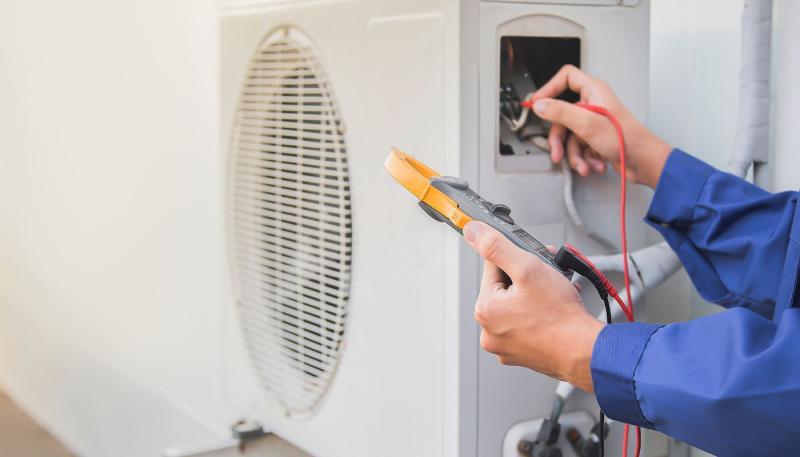
Choosing the right air-conditioning size is more than picking a number on a sticker—it's about matching your home’s real cooling needs to a system that runs efficiently, keeps occupants comfortable, and avoids unnecessary energy bills. As an experienced HVAC Contractor Cedarburg WI, Champion Air Mechanical sees the consequences when units are too small (overworked, noisy, short cycles) and when they’re too large (short cycling, poor humidity control, higher costs). This guide walks you step by step through practical, proven methods to size an AC unit correctly so you get the best performance and long-term value.
Why correct sizing matters
An incorrectly sized AC causes two main problems:
-
Undersized units run constantly trying to reach temperature, increasing wear, reducing comfort, and raising energy bills.
-
Oversized units cool the air quickly but cycle on and off too often. That wastes energy and fails to remove humidity, leaving rooms clammy even when temperatures look right.
A properly sized unit delivers steady, comfortable temperatures, better humidity control, longer equipment life, and lower operating costs—exactly what a trusted, results-driven HVAC Contractor Cedarburg WI should aim to deliver.
Basic concepts: tons, BTUs, and load
-
BTU (British Thermal Unit) — the energy needed to raise one pound of water by 1°F. Home ACs are rated by how many BTUs they remove per hour.
-
Tons — 1 ton = 12,000 BTU/hr. A 2.5-ton unit removes 30,000 BTU/hr.
-
Manual J load calculation — the industry-standard method to calculate the heating and cooling load for a building. It accounts for orientation, insulation, windows, occupancy, appliances, and local climate.
Never rely only on a rule-of-thumb like “600 sq ft per ton.” Those estimates ignore unique factors like insulation quality, window types, shade, and how many people normally occupy the home.
Step-by-step sizing process
1. Start with a Manual J calculation
This is the foundation. A Manual J considers:
-
Square footage
-
Number and direction of windows
-
Insulation levels and wall construction
-
Ceiling height and attic ventilation
-
Infiltration (air leaks)
-
Occupant count and internal heat gains (appliances, lighting)
A certified HVAC technician or contractor performs Manual J—it's what makes your project reliable and results-driven rather than guesswork.
2. Convert load to tons
After Manual J, you’ll have a cooling load in BTU/hr. Divide by 12,000 to get tons. Round carefully—never round up just because you want “more power.” Oversizing creates humidity problems; instead, select the nearest available unit size and consider multiple-stage or variable-speed equipment to match capacity to load.
3. Choose the right equipment type
-
Single-stage compressors run at full power or off. They’re simple and often more affordable but can cause short cycling if oversized.
-
Two-stage compressors have low and high settings—better for comfort and efficiency.
-
Variable-speed (inverter) systems modulate output continuously and are best for consistent comfort, reliable humidity control, and scalable performance. For homes in Cedarburg’s variable climate, these cutting-edge options often provide the best balance of comfort and efficiency.
4. Match ductwork and airflow
Sizing assumes proper airflow—typically 350–450 CFM (cubic feet per minute) per ton for many systems. Undersized ducts reduce performance and can shorten equipment life. A trusted HVAC Contractor Cedarburg WI inspects and, when needed, upgrades ducts to ensure user-friendly efficiency across the system.
5. Account for humidity control
In humid months, proper dehumidification is as important as temperature. Oversized systems remove heat fast but insufficiently dehumidify because they don’t run long enough. Choosing variable-speed systems and ensuring correct airflow helps control humidity without sacrificing efficiency.
6. Consider zoning and smart controls
Zoning (dampers and multiple thermostats) divides the house into areas controlled independently. Zoning is a proven way to increase comfort and reduce running time for larger homes with differing usage patterns. Pairing with smart thermostats yields results-driven scheduling, better efficiency, and user-friendly control.
7. Verify with Manual D (duct design) and Manual S (equipment selection)
Manual D ensures ducts are the right size and layout. Manual S helps select the exact make and model of equipment considering real-world performance in your climate and load. These professional steps are part of industry-leading installations done by reliable contractors.
Real-world case study (illustrative)
Champion Air Mechanical was called to a 2,200 sq ft split-level home in Cedarburg where the homeowners complained the AC ran non-stop during summer and rooms never felt comfortable. An initial rule-of-thumb estimate had placed a 3.5-ton unit on the home. Our team performed a full Manual J and discovered the actual cooling load was 2.8 tons—lower than the installer's guess—because the home had upgraded insulation and south-facing trees shading windows.
Problems found:
-
Existing 3.5-ton unit short-cycled frequently.
-
Ductwork had imbalanced airflow; the upper level received much less cooled air.
-
Thermostat was located near a supply vent, misreading room temperature.
What we did:
-
Replaced the oversized single-stage compressor with a 3-ton variable-speed system sized to the Manual J results.
-
Rebuilt and balanced ducts per Manual D, increasing supply to the upper level and sealing leaks.
-
Installed a programmable, results-driven thermostat and set up a simple zoning schedule.
Outcome:
-
Average runtime increased, eliminating short-cycling.
-
Indoor humidity dropped to comfortable levels.
-
Energy bills fell by an estimated 18% in the first cooling season.
-
Homeowners reported quieter operation and more even temperatures across rooms.
This example shows why relying on trusted, proven sizing and a well-experienced contractor matters—matching equipment to real load and optimizing ducts and controls produces far better results than oversizing
Signs your home needs a re-evaluation
-
Short cycling (system turns on and off rapidly)
-
High energy bills without clear cause
-
Uneven temperatures between rooms
-
Sticky or clammy feeling despite low thermostat settings
-
Excessive noise or frequent repairs
If you notice these, an experienced HVAC contractor can run a Manual J and inspect ducts and controls to identify whether sizing or equipment type is the root cause.
Cost considerations and long-term value
Choosing the correct unit size affects not just upfront costs but long-term operating expenses:
-
Right-sized systems run more efficiently and need fewer repairs.
-
Variable-speed systems have higher upfront price but typically deliver lower lifetime operating costs and improved comfort.
-
Investing in proper duct sealing, insulation, and shading often yields better ROI than buying a larger unit.
A results-driven approach balances initial budget with long-term performance—your contractor should present options and expected lifecycle costs, not just sticker prices.
Quick checklist before you buy or replace an AC
-
Ask for a Manual J cooling load calculation.
-
Confirm Manual D duct design and Manual S equipment selection.
-
Choose multi-stage or variable-speed equipment for better humidity and comfort control.
-
Verify contractor credentials and local experience—look for a trusted HVAC Contractor Cedarburg WI with proven, top-rated references.
-
Consider duct sealing and insulation upgrades alongside the new unit.
-
Ask about warranties, maintenance plans, and energy-efficiency ratings (SEER).
Final thoughts
Sizing an AC unit properly is a technical but rewarding process: it ensures the home stays comfortable, energy-efficient, and durable. Working with an experienced, reliable HVAC contractor like a top-rated local firm ensures the job is done with industry-leading methods—Manual J, Manual D, and Manual S—plus sensible choices about equipment and controls. That combination delivers a scalable, high-performance system that’s comfortable, affordable to operate, and trusted to perform year after year.
Post Your Ad Here
Comments