Routine Grandfather Clock Servicing for Heirloom Clocks
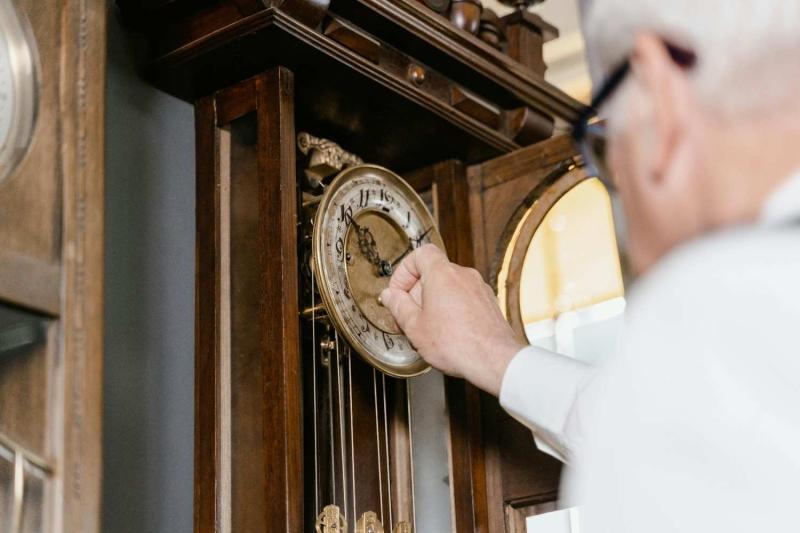
Grandfather clocks are more than timekeeping devices; they are mechanical works of art that often hold historical, sentimental, and aesthetic value. Because of their intricate internal mechanisms and continuous operation, these clocks require routine servicing to function accurately and maintain their longevity. Routine grandfather clock servicing helps preserve precision, protect delicate components, and ensure that the clock continues to operate as intended for generations.
Preserving Mechanical Accuracy Over Time
One of the primary reasons routine servicing is essential lies in maintaining mechanical accuracy. Grandfather clocks rely on a complex system of gears, weights, and escapements that must work in perfect harmony. Over time, natural wear can affect how smoothly these components interact, leading to time drift or irregular chiming.
Through routine servicing, adjustments can be made to keep the movement properly regulated. Lubrication is also refreshed to reduce friction, which helps the clock maintain consistent timekeeping. As a result, the clock’s accuracy is preserved without placing unnecessary strain on its internal structure.
Preventing Wear and Mechanical Damage
Mechanical wear is unavoidable in any clock that runs continuously. However, neglecting routine servicing can accelerate this process. Dust accumulation, dried lubrication, and minor misalignments can gradually cause increased friction and component stress.
Routine servicing allows for early identification of potential issues before they develop into more serious damage. By addressing wear proactively, clock owners can avoid costly repairs and reduce the risk of irreversible harm to original parts. This preventative approach extends the operational life of the clock while maintaining its authenticity.
Maintaining Chime and Strike Functionality
The chime and strike features are among the most distinctive elements of a grandfather clock. These functions rely on precise timing and alignment to produce clear, harmonious sounds. Over time, however, hammers can shift, chime rods can loosen, and timing sequences can fall out of sync.
Routine servicing ensures that chime mechanisms are properly aligned and adjusted. This attention to detail helps preserve the tonal quality and rhythmic consistency of the clock’s sound. Consequently, the auditory experience remains as refined and balanced as intended by the clock’s original design.
Supporting Structural and Case Integrity
Although servicing often focuses on internal mechanics, the clock case itself also benefits from routine attention. Changes in humidity and temperature can affect wooden cases, leading to expansion, contraction, or subtle shifts that impact overall stability.
During routine servicing, technicians may assess how the movement interacts with the case and identify any environmental concerns. Proper positioning and leveling are also reviewed to ensure that the clock operates under optimal conditions. These measures support both mechanical performance and the physical integrity of the clock’s exterior.
Ensuring Safe and Proper Operation
Grandfather clocks operate under tension created by suspended weights and moving pendulums. If components are not properly maintained, this tension can lead to unexpected stoppages or mechanical stress. In rare cases, improper operation may even pose safety concerns.
Routine servicing verifies that weights are correctly balanced, cables or chains are in good condition, and pendulum motion remains unobstructed. This comprehensive inspection promotes safe operation while ensuring that all moving parts function smoothly and predictably.
Preserving Historical and Sentimental Value
Many grandfather clocks are heirlooms passed down through generations. Their value often extends beyond monetary worth, representing family history and personal legacy. Routine servicing plays a key role in preserving this significance by maintaining original components whenever possible.
Rather than replacing parts unnecessarily, careful servicing focuses on conservation and restoration. Specialists from service providers such as The Clock Doctor often emphasize preservation-based approaches that respect the clock’s craftsmanship and historical context without introducing promotional elements. This philosophy helps maintain authenticity while supporting reliable performance.
Adapting to Environmental and Seasonal Changes
Environmental conditions can influence how a grandfather clock performs throughout the year. Seasonal shifts in humidity and temperature may affect pendulum length, lubrication consistency, and case alignment. These changes can subtly alter timekeeping and chime performance.
Routine servicing allows for adjustments that account for these environmental factors. By recalibrating the movement and ensuring proper lubrication, servicing helps the clock adapt to seasonal variations while maintaining stable operation. This adaptability reduces unnecessary stress on mechanical components.
Establishing a Long-Term Maintenance Rhythm
Routine servicing is most effective when approached as part of a long-term maintenance rhythm. Rather than responding only when problems arise, scheduled servicing supports consistency and reliability. Over time, this approach minimizes disruptions and preserves the clock’s performance.
Establishing a servicing routine also builds familiarity with the clock’s unique characteristics. Each grandfather clock has subtle differences based on age, maker, and usage history. Regular servicing allows these nuances to be understood and respected, resulting in more precise care.
Recognizing the Importance of Routine Care
Routine grandfather clock servicing is essential for preserving accuracy, sound quality, and structural integrity. By addressing wear, supporting safe operation, and respecting historical value, servicing ensures that these clocks continue to function as both practical timekeepers and meaningful artifacts.
When properly maintained, a grandfather clock can operate reliably for decades, even centuries. Routine care is not merely a technical necessity but a commitment to preserving craftsmanship, history, and continuity within the home.
Post Your Ad Here
Comments