What Makes Spa-Quality Body Butter and Essential Oils Worth the Investment?
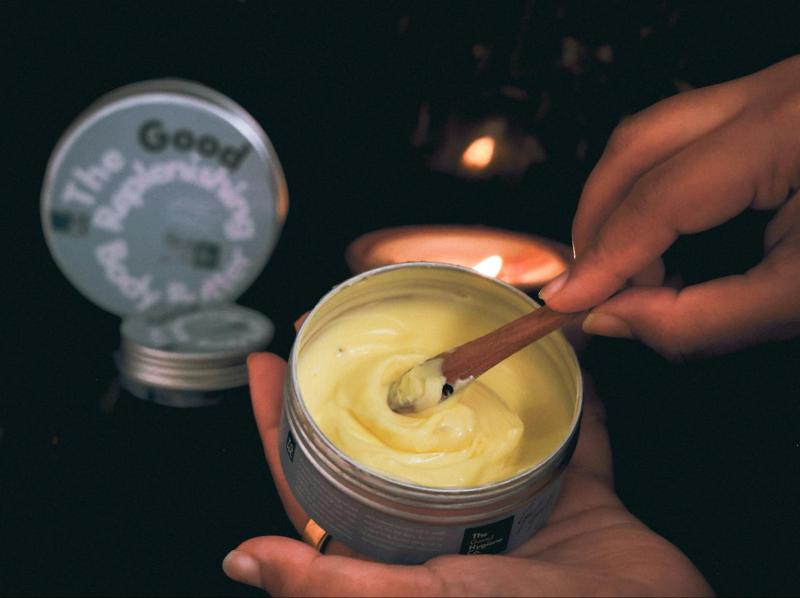
The global spa products market has reached 38.4 billion USD in 2024 and projects to grow to 86.0 billion USD by 2034, expanding at a compound annual growth rate of 8.4%. These impressive figures reflect a fundamental transformation in how consumers approach personal care and wellness. The boundary between professional spa treatments and at-home self-care rituals has blurred significantly, with premium body butters and essential oils emerging as cornerstone products in this evolution. Today's consumers no longer view spa products as occasional luxuries reserved for special occasions. Instead, these items have become essential components of daily wellness routines that prioritize both physical and emotional health.
Body butters and essential oils represent the marriage of ancient botanical wisdom and modern formulation science. These products deliver tangible benefits that extend far beyond simple moisturization, offering therapeutic effects that impact mood, stress levels, and overall wellbeing. The sensory experience they provide transforms mundane skincare routines into meaningful self-care rituals. In a world where 78% of consumers actively engage in self-care practices, spa-quality products offer accessible ways to recreate professional treatment experiences at home.
The investment in premium spa products makes economic sense when compared to the cost of regular professional spa visits. A single massage therapy session can cost 80 to 150 USD or more, while a high-quality body butter or essential oil blend costing 30 to 60 USD provides months of daily use. This democratization of spa luxury has driven remarkable market growth, with body oil sales alone projected to reach 4.9 billion USD by 2034. Understanding what distinguishes truly effective spa products from ordinary moisturizers helps consumers make informed choices that maximize both satisfaction and results.
What Distinguishes Body Butter from Regular Moisturizers?
Body butter occupies a unique position in the skincare hierarchy, offering benefits that standard lotions and creams cannot match. The fundamental difference lies in composition and concentration. Body butters contain significantly higher percentages of natural fats and oils, typically 40 to 60 percent, compared to the 10 to 20 percent found in regular moisturizers. This concentration creates a product that provides intensive hydration suitable for very dry or damaged skin.
The base ingredients in quality body butters include plant-based butters like shea, cocoa, and mango. Shea butter, derived from African shea trees, contains high levels of fatty acids and vitamins that deeply penetrate skin layers. Studies show that shea butter improves skin elasticity and stimulates collagen production, making it particularly effective for mature or sun-damaged skin. Cocoa butter, extracted from cacao beans, provides similar benefits while offering a rich, chocolate-like aroma that consumers find appealing.
Texture represents another crucial distinction. Body butters maintain a solid or semi-solid consistency at room temperature, melting upon contact with warm skin. This characteristic creates a luxurious application experience absent in liquid lotions. The thick texture forms a protective barrier on skin surface, preventing moisture loss throughout the day or night. This occlusive property makes body butter especially valuable in dry climates or during winter months when skin loses hydration more rapidly.
Absorption patterns differ significantly between body butters and lighter moisturizers. While lotions absorb quickly and may require reapplication within hours, body butters penetrate more slowly, releasing hydration gradually over extended periods. This sustained release mechanism means a single application can maintain skin moisture for 12 to 24 hours. For individuals with chronically dry skin conditions like eczema or psoriasis, this extended hydration proves essential for managing symptoms effectively.
The sensory experience of body butter application creates psychological benefits beyond physical skin improvement. The ritual of warming the product between hands before massaging it into skin encourages mindfulness and stress reduction. Aromatherapy benefits amplify when essential oils are incorporated into formulations. Lavender-infused body butter promotes relaxation before sleep, while citrus-scented versions energize morning routines. These mood-enhancing effects explain why spa products have become integral to mental wellness strategies.
Premium body butters distinguish themselves through ingredient purity and sourcing ethics. Mass-market products often contain synthetic fillers, mineral oils, and preservatives that dilute active ingredient concentrations. Spa-quality formulations prioritize organic, cold-pressed plant butters that retain maximum nutritional value. Fair trade certification ensures that ingredients are sourced sustainably, supporting communities that harvest raw materials. Research indicates that consumers increasingly value these ethical considerations, willing to pay premium prices for products aligned with their values.
How Do Essential Oils Enhance Spa Product Effectiveness?
Essential oils represent the therapeutic heart of spa products, transforming simple moisturizers into multifunctional wellness tools. These concentrated plant extracts contain volatile aromatic compounds that interact with both skin and nervous system, creating effects that synthetic fragrances cannot replicate. The global essential oils market reached 24.75 billion USD in 2024 and expects to grow to 49.07 billion USD by 2033, reflecting widespread recognition of their benefits.
The extraction methods used for essential oils directly impact their therapeutic potency. Steam distillation, the most common technique, passes steam through plant material, carrying volatile compounds into a cooling chamber where they condense back into liquid form. This process preserves the full spectrum of beneficial molecules found in the original plant. Cold pressing, used primarily for citrus oils, mechanically extracts oils from fruit peels without heat, maintaining delicate compounds that would degrade at higher temperatures.
Different essential oils offer distinct therapeutic properties that address specific needs. Lavender oil, containing linalool and linalyl acetate, demonstrates clinically proven anxiolytic effects that reduce stress and improve sleep quality. Studies show that inhaling lavender essential oil decreases cortisol levels while increasing feelings of relaxation. Peppermint oil, rich in menthol, provides cooling sensations that relieve muscle tension and headaches. Its analgesic properties make it valuable in massage oils designed for post-exercise recovery.
Citrus essential oils including orange, lemon, and grapefruit contain limonene, a compound with mood-elevating properties. Research demonstrates that citrus aromatherapy reduces depression symptoms and boosts energy levels, explaining their popularity in morning body care products. Tea tree oil possesses powerful antimicrobial properties, making it effective for treating acne and preventing fungal infections. Its inclusion in foot care products addresses common issues like athlete's foot and toenail fungus.
The concentration of essential oils in spa products requires careful formulation to ensure safety and effectiveness. Pure essential oils are too potent for direct skin application, causing irritation or sensitization. Professional formulations dilute essential oils to 1 to 3 percent concentration in body butters and massage oils. This dilution provides therapeutic benefits while minimizing adverse reaction risks. Carrier oils like jojoba, sweet almond, or coconut dilute essential oils while adding their own skin-nourishing properties.
Synergistic blending amplifies essential oil effectiveness beyond what single oils achieve alone. Aromatherapists combine oils with complementary properties to create targeted formulations. A sleep-promoting blend might combine lavender's relaxing effects with chamomile's sedative properties and sandalwood's grounding qualities. Anti-inflammatory blends pair frankincense with helichrysum and rosemary to address joint pain and muscle soreness. These sophisticated combinations demonstrate the artistry involved in creating truly effective spa products.
Quality assessment distinguishes genuine essential oils from synthetic fragrances marketed as aromatherapy. Pure essential oils should list botanical names using Latin nomenclature, specify extraction method, and indicate country of origin. Gas chromatography-mass spectrometry testing verifies chemical composition, ensuring oils contain expected therapeutic compounds without adulterants. Consumers should seek products from reputable suppliers who provide batch-specific testing certificates.
Aromatherapy mechanisms involve both topical absorption and olfactory stimulation. When applied to skin, essential oil molecules penetrate through hair follicles and sweat glands, entering bloodstream and exerting systemic effects. Simultaneously, aromatic compounds stimulate olfactory receptors in the nose, sending signals directly to the limbic system, the brain region governing emotions and memories. This dual-pathway action explains why essential oils create such profound psychological and physiological effects.
Why Does Ingredient Sourcing Matter in Premium Products?
The origin and processing of raw materials fundamentally determine spa product quality and effectiveness. Consumers increasingly recognize that beautiful packaging and appealing fragrances cannot compensate for inferior ingredients. The clean beauty movement has educated shoppers to scrutinize ingredient lists, understanding that what goes on skin matters as much as what goes in the body.
Organic certification represents the gold standard for spa product ingredients. Organic farming prohibits synthetic pesticides, chemical fertilizers, and genetic modification, resulting in botanicals with higher concentrations of beneficial compounds. When plants grow without chemical intervention, they develop more robust natural defense mechanisms, producing elevated levels of antioxidants and phytonutrients. These compounds translate directly into more potent skincare benefits. Studies demonstrate that organic plant oils contain 20 to 40 percent more antioxidants than conventionally grown counterparts.
Sustainable harvesting practices ensure ingredient quality while protecting ecosystems. Wild-harvested botanicals must be collected responsibly to prevent species depletion. Frankincense, a prized essential oil, comes from Boswellia trees in Somalia and Ethiopia. Overharvesting threatens these trees with extinction. Reputable suppliers work with local communities to implement sustainable tapping methods that allow trees to regenerate. Similarly, sandalwood oil faces sustainability challenges due to slow-growing tree populations. Plantation-grown sandalwood provides ethical alternatives to wild-harvested sources.
Fair trade partnerships benefit both ingredient quality and producer communities. When farmers receive fair compensation, they can invest in organic practices, proper harvesting timing, and careful processing that preserves active compounds. Fair trade premiums fund community development projects including education, healthcare, and infrastructure improvements. Consumers purchasing fair trade body butters contribute to these positive social impacts while receiving superior products.
Processing methods after harvest critically impact ingredient integrity. Cold-pressed plant oils retain more vitamins, minerals, and beneficial fatty acids than oils extracted using heat or chemical solvents. Shea butter processed using traditional hand methods maintains higher levels of healing compounds than industrially refined versions bleached and deodorized for mass-market products. Extra-virgin coconut oil, minimally processed at temperatures below 49 degrees Celsius, preserves medium-chain fatty acids that provide antimicrobial and moisturizing benefits.
Transparency in ingredient sourcing has become a competitive advantage for premium brands. Companies that disclose botanical sourcing locations, farming practices, and processing methods build consumer trust. Some brands feature individual farmers on packaging, sharing stories about sustainable cultivation. This transparency allows consumers to verify that their purchases align with personal values regarding environmental protection and social responsibility.
The timing of botanical harvesting significantly affects essential oil quality. Plants produce different concentrations of aromatic compounds throughout growing seasons. Lavender harvested at peak bloom contains maximum linalool content, while early or late harvesting yields inferior oil. Rose otto, among the most expensive essential oils, requires harvesting at dawn when volatile compounds concentrate in petals. Skilled producers understand these nuances, timing harvests to capture optimal therapeutic properties.
Storage and handling from farm to finished product determine whether ingredients maintain their beneficial properties. Essential oils degrade when exposed to heat, light, and oxygen. Quality manufacturers store oils in dark glass containers at controlled temperatures, using nitrogen blanketing to prevent oxidation. Body butters containing sensitive ingredients require similar protective measures during formulation and packaging. These careful handling practices distinguish premium products from cheaper alternatives that sacrifice quality for cost savings.
What Role Does Texture Play in Product Effectiveness?
The physical properties of spa products profoundly influence both user experience and therapeutic outcomes. Texture encompasses viscosity, spreadability, absorption rate, and after-feel, all of which affect whether products deliver promised benefits and whether consumers will use them consistently. A perfectly formulated product that feels unpleasant sits unused on bathroom shelves, providing no value regardless of ingredient quality.
Whipped body butters represent a textural innovation that has revolutionized the category. Traditional body butter's dense, greasy consistency deterred many potential users. Whipping introduces air into the formulation, creating light, fluffy textures that spread easily and absorb more readily. The whipping process doesn't alter chemical composition but transforms user experience dramatically. Consumers who previously avoided body butter due to texture concerns embrace whipped versions enthusiastically.
The melt point of body butters affects application experience and seasonal performance. Products formulated for tropical climates use higher-melting-point butters and waxes to prevent liquefying in heat. Conversely, body butters designed for cold climates incorporate softer fats that remain spreadable even at lower temperatures. Premium brands often offer seasonal formulations adjusted for climate variations, demonstrating attention to real-world usage conditions.
Absorption speed creates trade-offs between immediate comfort and long-term hydration. Fast-absorbing formulations allow dressing immediately after application, convenient for busy morning routines. However, these lighter textures may not provide sufficient moisture for very dry skin. Slower-absorbing body butters require patience, ideally applied before bed when extended absorption time poses no inconvenience. The richest formulations work best for nighttime use, allowing hours of gradual penetration while skin undergoes natural repair processes during sleep.
Non-greasy formulas represent a significant technical achievement in spa product development. Achieving intensive hydration without leaving oily residue requires sophisticated ingredient combinations. Certain plant oils, including jojoba and rosehip seed oil, absorb completely despite their nourishing properties. Combining these oils with small amounts of plant waxes creates body butters that feel rich during application but leave skin soft rather than slick. This balance makes products suitable for year-round use across body areas including hands and feet.
Slip and glide characteristics matter particularly for massage oils and body butters used in therapeutic applications. Professional massage therapists require products that provide sufficient lubrication for prolonged skin manipulation without absorbing too quickly or feeling sticky. Fractionated coconut oil, which remains liquid at room temperature and absorbs slowly, serves as an ideal massage oil base. When combined with essential oils chosen for specific therapeutic goals, these formulations support effective bodywork while delivering aromatherapy benefits.
Temperature-responsive formulations add another dimension to textural sophistication. Some body butters contain ingredients that change consistency based on skin temperature. They feel solid when scooped from containers but melt instantly upon skin contact, creating a luxurious application experience. This phase transition occurs through carefully calibrated combinations of different butters and oils with varying melting points.
Packaging design interacts with texture to influence product usability. Pumps work well for liquid body oils but cannot dispense thick body butters. Wide-mouthed jars allow easy access to dense formulations but lack the hygienic advantages of pump dispensers. Airless pump containers maintain product integrity by preventing contamination while accommodating moderately thick textures. Premium brands invest in packaging that complements product texture, ensuring optimal user experience from first use to last.
How Can Consumers Identify Truly Premium Products?
Navigating the crowded spa products market requires discernment to distinguish authentic luxury from clever marketing. Price alone provides an unreliable indicator of quality, as some expensive products contain mostly fillers while certain reasonably priced offerings deliver exceptional value. Educated consumers examine multiple factors to assess whether products merit their premium positioning.
Ingredient lists reveal formulation priorities through order and specificity. Ingredients appear in descending order by concentration, with the first five comprising the product's bulk. Premium body butters list specific plant butters and oils prominently, not water, mineral oil, or generic "fragrance." Exact botanical names using Latin nomenclature indicate transparency and quality control. Avoiding synthetic preservatives like parabens, synthetic fragrances, and sulfates distinguishes clean formulations from conventional products laden with controversial chemicals.
Third-party certifications provide objective quality verification. USDA Organic certification for skincare requires rigorous standards including 95 percent organic ingredients and prohibited synthetic processing aids. COSMOS certification, recognized internationally, verifies natural and organic cosmetics meet strict criteria for ingredient sourcing, processing, and environmental impact. Leaping Bunny certification confirms cruelty-free products not tested on animals. These seals require regular audits and compliance verification, offering assurance that marketing claims reflect reality.
Brand transparency regarding sourcing and manufacturing builds consumer confidence. Companies genuinely committed to quality publish detailed information about ingredient origins, farming practices, and production methods. They explain why specific ingredients were chosen and what benefits they provide. This educational approach contrasts sharply with brands using vague marketing language about "botanical extracts" or "natural fragrances" without substantiation. Transparency extends to acknowledging limitations, such as shorter shelf lives inherent in preservative-free formulations.
Sensory evaluation provides immediate quality indicators once products are opened. Premium body butters display uniform consistency without separation, though some natural settling may occur. The aroma should smell clean and botanical, not synthetic or petroleum-like. Essential oil-scented products exhibit complex fragrance profiles that evolve over time, unlike one-dimensional synthetic fragrances. Color variations between batches indicate natural ingredients rather than artificial colorants. Slight color shifts in plant-based products reflect natural variability in botanical harvests.
Performance testing over several weeks reveals whether products deliver promised benefits. Skin should feel noticeably softer, smoother, and more hydrated with consistent use. Dry patches should resolve, and overall skin texture should improve. Products claiming anti-aging effects should produce visible changes in fine lines and firmness within four to six weeks. Aromatherapy benefits should manifest as mood improvements, better sleep, or reduced stress levels depending on essential oils used.
Value assessment considers cost per use rather than purchase price. A 50 USD body butter providing three months of daily full-body application costs approximately 17 USD monthly. This compares favorably to cheaper products requiring frequent reapplication or offering inferior results. Similarly, high-quality essential oils remain potent at low concentrations, making small bottles surprisingly economical. Calculating cost per application provides clearer value comparisons than focusing solely on container size or price.
Review research helps identify consistently praised products with authentic user bases. Reading multiple reviews across different platforms reveals patterns in product performance. Genuine reviews discuss specific experiences, mention both positives and negatives, and acknowledge that individual results may vary. Be skeptical of products with exclusively five-star reviews using generic praise, as these may reflect manipulation rather than authentic feedback.
Professional recommendations carry weight when they come from licensed estheticians, dermatologists, or certified aromatherapists. These professionals evaluate products based on ingredient science, formulation quality, and clinical outcomes rather than marketing hype. Many skincare professionals stock only products meeting their rigorous standards, providing curated selections that simplify consumer decision-making.
Where Should Different Products Fit in Self-Care Routines?
Strategic incorporation of spa products into daily routines maximizes their benefits while creating sustainable self-care practices. Rather than overwhelming skin with multiple products simultaneously, a thoughtful layering approach ensures each product performs optimally. Understanding when and how to use body butters, massage oils, and essential oil applications creates comprehensive wellness routines that address physical and emotional needs.
Morning routines benefit from lighter, energizing formulations that prepare mind and body for active days ahead. Body oils with fast absorption rates provide moisture without leaving residue that might stain clothing. Citrus or peppermint essential oil blends invigorate senses while nourishing skin. Applying body oil immediately after showering, while skin remains slightly damp, enhances absorption and seals in moisture. This technique, known as damp skin application, requires less product while achieving superior hydration.
Midday applications focus on targeted needs rather than full-body treatments. Hand creams containing body butter bases provide intensive moisture for frequently washed hands prone to dryness. Aromatherapy rollers with essential oil blends address stress, headaches, or energy dips without requiring full product routines. These portable solutions extend spa benefits throughout workdays or travel.
Evening routines emphasize relaxation and deep restoration, making this ideal timing for richer body butter applications. The thicker textures and longer absorption times suit pre-bedtime use when immediate activity isn't required. Lavender or chamomile-scented body butters promote sleep while repairing skin during overnight cellular regeneration. Applying generous amounts to feet, elbows, and knees addresses chronically dry areas that benefit from extended moisturization.
Weekly intensive treatments supplement daily care with targeted interventions. Full-body massage oil applications combined with self-massage techniques release muscle tension while providing therapeutic touch. Essential oil baths incorporating relaxing or detoxifying blends create spa experiences at home. Sugar or salt scrubs exfoliate dead skin cells before body butter application, maximizing absorption and effectiveness.
Seasonal adjustments accommodate changing environmental conditions and skin needs. Winter demands richer body butters and more frequent applications due to cold, dry air depleting skin moisture. Summer allows lighter body oils sufficient for maintaining hydration in humid conditions. Spring and fall transition periods may require alternating between product weights based on daily weather conditions.
Activity-specific applications target particular wellness goals. Pre-workout massage oils containing warming essential oils like ginger or black pepper prepare muscles for exercise. Post-workout formulations featuring arnica, eucalyptus, or peppermint ease soreness and inflammation. Stress-relief applications during high-pressure periods incorporate calming essential oils like frankincense, ylang-ylang, or bergamot.
Travel adaptations maintain routines despite changing environments. Solid body butters in tins comply with airline liquid restrictions while providing familiar comfort in unfamiliar locations. Essential oil rollers occupy minimal luggage space while offering aromatherapy benefits that ease travel stress and jet lag. Adapting core routines to portable formats ensures consistency that supports wellbeing during disruptions.
Partner and family incorporation extends spa product benefits beyond individual use. Couples massage using essential oil blends strengthens relationships while providing physical relief. Teaching children proper body care using gentle, natural products establishes healthy habits early. Family aromatherapy practices, such as diffusing relaxing essential oils during evening routines, create household wellness cultures.
Summary: Investing in Wellness Through Quality Products
The remarkable growth in spa products markets reflects a cultural shift toward prioritizing self-care and wellness in daily life. Body butters and essential oils serve as accessible entry points into holistic health practices that honor the mind-body connection. These products transcend simple moisturization, offering therapeutic benefits that address stress, sleep, muscle tension, and emotional wellbeing alongside skin health.
Quality distinguishes transformative spa products from disappointing purchases that waste money while failing to deliver results. Premium formulations prioritize organic ingredients, ethical sourcing, and sophisticated blending that creates synergistic effects exceeding what individual ingredients achieve alone. The investment in these superior products pays dividends through enhanced effectiveness, longer-lasting results, and alignment with personal values regarding environmental and social responsibility.
Understanding product characteristics empowers consumers to make informed choices matching their specific needs. Texture preferences, essential oil selections, and application timing all influence whether products integrate successfully into routines and provide desired benefits. The most expensive product offers no value if its texture feels unpleasant or its scent doesn't resonate personally. Conversely, moderately priced products meeting individual criteria may outperform luxury alternatives for particular users.
The democratization of spa luxury through at-home products has made wellness practices accessible to broader populations. Regular professional spa treatments remain financially prohibitive for many people, but premium body care products allow recreating essential elements of spa experiences daily. This accessibility has profound implications for public health, as stress management and self-care directly impact physical and mental wellbeing.
Future trends point toward even more sophisticated formulations incorporating cutting-edge botanical research and sustainable innovations. Consumers will demand greater transparency, pushing brands toward increased disclosure about ingredient sourcing and processing methods. Technology will enable personalization, with products customized to individual skin types, preferences, and therapeutic goals. These developments will further blur lines between professional treatments and home care.
Ultimately, investing in quality spa products represents investing in oneself. The ritual of applying body butter becomes meditation. The aromatherapy effects of essential oils provide natural stress management. The improved skin health boosts confidence. These multifaceted benefits justify premium prices for products that genuinely enhance quality of life. As markets continue expanding, informed consumers who understand quality indicators will navigate choices successfully, building personal care routines that support thriving rather than merely surviving.
Post Your Ad Here
Comments