Organic Facial Care: The Complete Guide to Radiant, Healthy Skin Without Chemicals
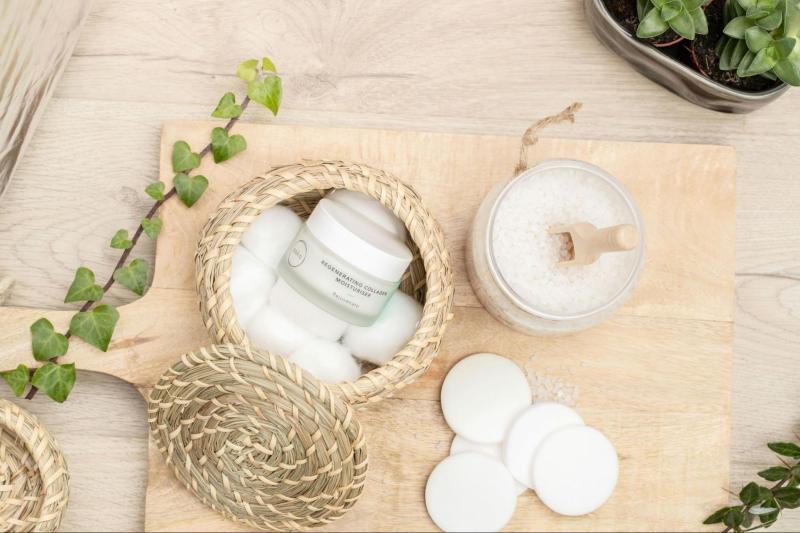
Organic facial care has evolved from a niche market into a mainstream approach to skincare that prioritizes both effectiveness and safety. The distinction between organic and natural products matters more than most consumers realize. Organic certification requires rigorous standards that guarantee ingredients were grown without synthetic pesticides, chemical fertilizers, or genetic modification. This level of verification provides assurance that conventional and natural products cannot match.
The global organic cosmetics market demonstrates explosive growth, reaching 49.62 billion USD in 2024 and projected to hit 122.88 billion USD by 2034 with a compound annual growth rate of 9.5%. These figures reflect a fundamental shift in consumer priorities. Women and men increasingly recognize that what touches their skin enters their bloodstream and affects overall health. Organic facial care offers a solution that delivers results without compromising wellbeing.
Facial skin differs significantly from the rest of the body. It contains thinner, more delicate tissue with higher concentrations of oil glands and blood vessels. This unique structure makes facial skin more vulnerable to damage from harsh chemicals while also more responsive to beneficial ingredients. The face remains constantly exposed to environmental stressors including UV radiation, pollution, and temperature fluctuations. Proper organic care protects and nourishes this vital skin while supporting its natural functions.
What Makes Facial Care Truly Organic?
The term organic carries specific legal meanings when applied to cosmetics. In the United States, the USDA Organic seal requires that products contain at least 95% organically produced ingredients. The European Union enforces similar standards through COSMOS certification, which additionally prohibits certain synthetic preservatives and processing methods. These regulations ensure consumers receive genuine organic products rather than greenwashed alternatives.
Organic farming practices form the foundation of authentic organic cosmetics. Plants grown organically develop higher concentrations of beneficial compounds including antioxidants, vitamins, and phytonutrients. Without chemical pesticides forcing artificial growth, plants produce more robust natural defense mechanisms. These protective compounds translate directly into more potent skincare benefits.
Certification bodies conduct regular inspections of farms and manufacturing facilities. They verify that organic standards are maintained throughout the supply chain from seed to finished product. This oversight prevents contamination from conventional products and ensures processing methods remain compliant. The investment required for certification demonstrates a brand's genuine commitment to organic principles.
Organic facial care excludes numerous ingredients commonly found in conventional products. Synthetic fragrances, artificial colors, parabens, phthalates, and petroleum derivatives cannot appear in certified organic formulations. Instead, organic products rely on plant extracts, essential oils, and mineral-based ingredients. This restriction actually encourages innovation as formulators develop new ways to achieve desired results using only approved ingredients.
The environmental benefits of organic agriculture extend beyond human health. Organic farming practices build soil health, sequester carbon, protect water quality, and support biodiversity. Choosing organic facial care contributes to sustainable agricultural systems that will benefit future generations.
How Does Organic Differ From Natural Skincare?
The distinction between organic and natural skincare confuses many consumers, yet understanding this difference is crucial for making informed choices. Natural products contain ingredients derived from plants, minerals, or animal sources rather than synthetic chemicals. However, natural ingredients may come from conventionally farmed crops treated with pesticides and chemical fertilizers.
Natural skincare regulations remain minimal in most markets. Brands can claim natural status with as little as 1% natural ingredients in some jurisdictions. This lack of standardization allows extensive greenwashing where products marketed as natural actually contain predominantly synthetic ingredients. Consumers examining ingredient lists often discover misleading marketing claims.
Organic certification provides third-party verification that natural claims cannot match. When a product carries organic certification, consumers know exactly what standards were met. The certification process requires documentation, testing, and ongoing compliance monitoring. This accountability protects consumers from false marketing.
Processing methods differ significantly between natural and organic products. Natural ingredients may undergo chemical extraction using synthetic solvents or other harsh processes. Organic standards restrict processing methods to mechanical extraction, fermentation, and other gentle techniques that preserve ingredient integrity. These processing requirements ensure organic products maintain the full spectrum of beneficial compounds.
Price differences between natural and organic products typically reflect certification costs and agricultural practices. Organic ingredients command premium prices due to lower yields and more labor-intensive farming methods. However, this price premium buys assurance of purity and quality that natural products without certification cannot guarantee.
Which Ingredients Create Effective Organic Formulations?
Organic facial care relies on a diverse palette of botanical ingredients, each offering specific benefits. Plant oils form the foundation of most organic formulations, providing essential fatty acids, vitamins, and antioxidants. Jojoba oil closely resembles human sebum, making it suitable for all skin types including oily and acne-prone skin. This molecular similarity allows deep penetration without clogging pores.
Argan oil delivers high concentrations of vitamin E and essential fatty acids that repair skin damage and improve elasticity. Women in Morocco have used argan oil for centuries to protect skin from harsh desert conditions. Modern research validates these traditional uses, demonstrating argan oil's ability to reduce inflammation and support skin barrier function.
Rosehip seed oil contains natural retinol compounds that stimulate cell turnover and collagen production. Unlike synthetic retinoids that often cause irritation, rosehip oil provides anti-aging benefits gently enough for sensitive skin. Studies confirm that rosehip oil significantly improves skin texture, reduces hyperpigmentation, and minimizes fine lines with consistent use.
Sea buckthorn oil offers one of nature's richest sources of omega-7 fatty acids, which support skin healing and regeneration. This bright orange oil also provides powerful antioxidants that protect against environmental damage. Despite its intense color, sea buckthorn oil absorbs completely without staining skin.
Plant butters including shea, cocoa, and mango provide rich moisture for dry and mature skin types. These solid fats contain high levels of fatty acids and vitamins that create a protective barrier while nourishing deeper skin layers. Organic plant butters retain more beneficial compounds than refined conventional versions.
Botanical extracts offer concentrated active ingredients without chemical processing. Green tea extract provides potent antioxidants that neutralize free radicals and reduce inflammation. Chamomile extract soothes irritation and supports skin healing. Aloe vera delivers deep hydration while promoting cell regeneration.
What Does a Complete Organic Facial Routine Include?
Building an effective organic facial care routine requires understanding how different products work together. The routine should remain simple yet comprehensive, addressing cleansing, treatment, and protection without overwhelming skin with excessive products.
Morning routines focus on protection and preparation for the day ahead. Cleansing removes overnight oil production and prepares skin to receive beneficial ingredients. Organic cleansers use mild surfactants derived from coconut or sugar that clean effectively without stripping natural oils. Many conventional cleansers contain harsh sulfates that disrupt skin barrier function, leading to dryness and sensitivity.
Toners or facial mists follow cleansing to restore pH balance and provide initial hydration. Organic toners often contain floral waters like rose or neroli combined with skin-supporting ingredients. These products prep skin for serum absorption while delivering their own beneficial compounds.
Serums represent the treatment step where active ingredients address specific concerns. Organic serums contain high concentrations of botanical extracts, plant oils, and vitamins. Research indicates that layering multiple thin layers allows better absorption than applying one thick layer. Gently patting products into skin rather than rubbing increases effectiveness.
Moisturizers seal in previous layers while adding additional hydration and protection. Organic face creams balance oils and waters to create stable emulsions without synthetic emulsifiers. Day creams typically feel lighter and may include natural sun protection from minerals like zinc oxide. Evening creams can be richer to support overnight repair processes.
Eye creams target the delicate skin around eyes with gentler formulations. This area contains minimal oil glands and shows aging signs first. Organic eye products use lightweight oils and soothing botanicals to reduce puffiness, dark circles, and fine lines without irritation.
Sun protection remains critical regardless of weather or season. Mineral sunscreens using zinc oxide or titanium dioxide provide broad-spectrum protection without chemical filters. These physical blockers sit on the skin surface, reflecting UV rays rather than absorbing them. Organic formulations combine minerals with nourishing oils for comfortable wear.
Evening routines emphasize repair and regeneration. Double cleansing ensures complete removal of sunscreen, makeup, and daily pollution accumulation. First cleanse with oil-based cleanser to dissolve oil-soluble substances, then follow with water-based cleanser for thorough cleansing.
Exfoliation two to three times weekly removes dead skin cells and promotes cell turnover. Organic exfoliants use fruit enzymes, fine grain scrubs from seeds or clays, or gentle acids from fermented ingredients. Over-exfoliation damages the skin barrier, so moderation is essential.
Weekly treatments including masks provide intensive care. Clay masks draw out impurities and excess oil while delivering minerals. Hydrating masks with aloe, honey, or hyaluronic acid boost moisture levels. Oil masks with multiple plant oils provide deep nourishment for dry or mature skin.
How Do You Match Products to Skin Type?
Understanding individual skin type allows optimal product selection within organic options. Skin type represents the natural baseline condition influenced by genetics, climate, and age. Most people fit into five basic categories, though many experience combination characteristics.
Normal skin maintains balanced oil production without excessive dryness or oiliness. This fortunate skin type tolerates most products well and benefits from straightforward organic routines. Light oils like grapeseed or sweet almond provide adequate moisture. Normal skin serves as an ideal canvas for trying different organic ingredients.
Dry skin produces insufficient natural oils, leading to tightness, flaking, and sensitivity. This skin type requires rich moisturizers with plant butters and heavier oils. Avocado oil, evening primrose oil, and borage seed oil deliver essential fatty acids that restore barrier function. Dry skin benefits from avoiding harsh cleansers and limiting exfoliation frequency.
Oily skin produces excess sebum, causing shine and enlarged pores. Contrary to intuition, oily skin still needs moisture. Skipping moisturizer triggers compensatory oil production. Jojoba oil actually balances oil production by mimicking natural sebum. Hazelnut oil and hemp seed oil provide moisture without heaviness. Clay masks and gentle exfoliation help manage excess oil.
Combination skin displays both oily and dry zones, typically oily in the T-zone (forehead, nose, chin) and dry on cheeks. This skin type benefits from customized application, using lighter products on oily areas and richer products where needed. Multi-masking applies different masks to different zones simultaneously.
Sensitive skin reacts easily to products, displaying redness, itching, or burning. This reactive skin requires minimal ingredient formulations with proven gentle botanicals. Calendula, oat extract, and chamomile provide soothing benefits. Sensitive skin should introduce new products gradually, testing each for several days before adding another.
Mature skin shows signs of aging including fine lines, loss of firmness, and uneven tone. This skin type needs ingredients supporting collagen production and cell renewal. Rosehip oil, sea buckthorn, and bakuchiol (a natural retinol alternative) address aging concerns without irritation. Rich moisturizers prevent moisture loss that exacerbates wrinkles.
Acne-prone skin requires both antibacterial and anti-inflammatory ingredients. Tea tree oil, neem oil, and willow bark extract combat acne-causing bacteria naturally. Light, non-comedogenic oils like jojoba and grapeseed prevent pore clogging. Studies show that organic ingredients support skin health without the harsh drying effects of conventional acne treatments.
Can Organic Products Address Specific Concerns?
Organic facial care effectively treats various skin concerns through targeted botanical ingredients. Hyperpigmentation and dark spots respond well to natural brightening agents. Vitamin C from kakadu plum or camu camu provides more stable and potent brightening than synthetic ascorbic acid. Licorice root extract inhibits melanin production, gradually fading existing spots. Consistent use over several months shows significant improvement.
Fine lines and wrinkles benefit from ingredients stimulating collagen production and providing antioxidant protection. Bakuchiol offers similar benefits to retinol without sensitivity or sun sensitivity concerns. Plant-based peptides from rice or soy signal skin to produce more collagen. Antioxidants from green tea, resveratrol, and astaxanthin protect against free radical damage that accelerates aging.
Redness and inflammation calm with anti-inflammatory botanicals. Chamomile, calendula, and oat extract reduce inflammatory responses that cause persistent redness. Centella asiatica (also called cica or gotu kola) has become popular for its remarkable healing and soothing properties. Regular use strengthens capillaries, reducing visible redness over time.
Large pores appear smaller with consistent exfoliation and proper oil balance. Pore size is genetic and cannot truly change, but proper care minimizes their appearance. Clay masks draw out debris that stretches pores. Niacinamide (vitamin B3) improves skin texture and refines pore appearance. Maintaining proper hydration prevents compensatory oil production that enlarges pores.
Under-eye concerns including dark circles and puffiness require gentle but effective treatment. Caffeine from coffee or green tea constricts blood vessels, reducing puffiness. Vitamin K helps fade dark circles caused by visible blood vessels. Hyaluronic acid plumps fine lines in this delicate area. Cold application of eye products enhances circulation and reduces swelling.
Dullness and uneven texture improve with regular exfoliation and hydration. Lactic acid from fermented plants gently dissolves dead skin cells, revealing brighter skin underneath. Enzymes from papaya or pumpkin provide chemical exfoliation without physical scrubbing. Adequate hydration through hyaluronic acid and plant oils creates the dewy, radiant appearance of healthy skin.
When Should You Transition to Organic?
The ideal time to transition varies based on individual circumstances, but certain life stages and situations make switching particularly beneficial. Younger adults in their twenties can establish healthy habits that prevent future skin damage. Starting with organic products means never exposing skin to harsh chemicals that accumulate over time.
Pregnancy prompts many women to reconsider product choices. Healthcare providers recommend avoiding certain conventional skincare ingredients during pregnancy and nursing. Organic options eliminate concerns about chemical absorption affecting fetal development or passing through breast milk. Many women who switch during pregnancy continue with organic products permanently.
Experiencing skin sensitivity or reactions signals the need for gentler alternatives. Conventional products may cause cumulative irritation that worsens over time. Switching to organic often resolves chronic redness, breakouts, or dryness that seemed treatment-resistant. The skin's response to clean ingredients typically shows improvement within four to six weeks.
Developing health conditions or taking medications that affect skin can necessitate formula changes. Certain medications increase sun sensitivity or cause dryness. Organic products typically contain fewer ingredients that might interact with medications or exacerbate side effects. Consulting with healthcare providers about product safety becomes easier with simple, transparent ingredient lists.
Aging skin benefits from nutrient-dense organic ingredients regardless of previous product use. The antioxidants, vitamins, and essential fatty acids in organic formulations support mature skin's changing needs. Making the switch at any age provides benefits, though earlier adoption prevents more damage.
Where Can Quality Organic Products Be Found?
The organic skincare market has expanded dramatically, making products accessible through multiple channels. Specialty retailers focusing on natural and organic beauty offer curated selections with knowledgeable staff. These stores often provide samples, allowing customers to test products before purchasing. The shopping experience includes education about ingredients and proper usage.
Online platforms provide the widest selection of organic brands from around the world. Direct-to-consumer websites allow brands to share their stories, ingredient sourcing, and certification details transparently. Customer reviews and detailed ingredient lists help informed decision-making. Many online retailers offer subscription services that provide cost savings and ensure consistent product availability.
Major retailers increasingly dedicate sections to clean and organic beauty. This mainstream availability signals market acceptance and makes organic products convenient for all consumers. However, shoppers should verify actual organic certification rather than relying solely on placement in natural beauty sections.
Farmers markets and local makers offer handcrafted organic skincare at competitive prices. These small-batch products often use locally sourced ingredients with minimal processing. Supporting local producers builds community connections while accessing fresh, quality products. However, consumers should ensure proper preservation methods prevent contamination in products without synthetic preservatives.
Professional aestheticians and dermatologists increasingly recommend and sell organic product lines. Medical professionals recognize that chemical-free products support skin health and treatment outcomes. Professional-grade organic products often contain higher concentrations of active ingredients than retail versions.
Embracing Chemical-Free Facial Care
Organic facial care represents a holistic approach to skin health that prioritizes purity, effectiveness, and sustainability. The growing body of research validates what traditional wisdom has long known - plants provide powerful healing and protective benefits. Modern organic formulations harness this botanical power through sophisticated extraction and formulation techniques.
Transitioning to organic facial care requires initial investment in learning about ingredients and finding appropriate products. However, this investment pays dividends in improved skin health, reduced chemical exposure, and peace of mind. The skin responds positively to nutrient-rich ingredients it can recognize and utilize.
Success with organic facial care depends on consistency and patience. Natural ingredients work with skin's processes rather than forcing immediate but temporary changes. Results build gradually, creating lasting improvements rather than quick fixes that mask underlying issues. Most users notice significant improvements within three months of consistent organic product use.
The choice to embrace organic facial care extends beyond personal benefits. Supporting organic agriculture promotes environmental health, sustainable farming practices, and ethical treatment of workers. Each purchase represents a vote for the kind of beauty industry consumers want to see.
Radiant, healthy skin without chemical compromise is not merely possible but increasingly accessible. The organic beauty revolution continues gaining momentum as more consumers discover that effective skincare need not sacrifice safety. The future of facial care lies in this marriage of traditional botanical wisdom and modern scientific understanding, delivered through rigorously certified organic products.
Post Your Ad Here
Comments