Why Do Mental Health Disorders Remain the Hidden Global Crisis?
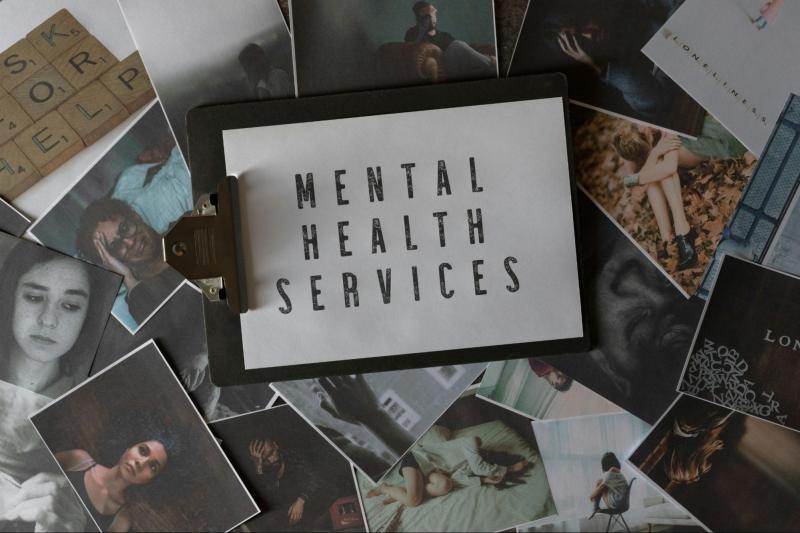
Mental health disorders represent one of the most pressing yet inadequately addressed challenges facing humanity in 2025. Over one billion people worldwide live with diagnosed mental health conditions, yet this staggering number likely underestimates the true scale of the crisis. Depression alone affects approximately 280 million individuals globally, while anxiety disorders impact 301 million people. These conditions transcend geographic, economic, and cultural boundaries, affecting people in every nation and at every socioeconomic level.
The designation of mental health disorders as a hidden crisis stems not from lack of prevalence but from persistent stigma, insufficient resources, and systemic barriers that prevent open discussion and adequate treatment. Despite comprising 10% of the global disease burden, mental health receives only 2% of health budgets on average, with many low and middle-income countries spending less than 1%. This dramatic funding disparity reflects deeply rooted societal attitudes that continue viewing mental illness as less legitimate or urgent than physical health conditions.
The economic consequences extend far beyond direct healthcare costs. Depression and anxiety alone cost the global economy an estimated 1 trillion USD annually, primarily through lost productivity. Research indicates that approximately 15% of working-age adults experience mental disorders, substantially affecting their ability to maintain employment and contribute economically. These figures represent not just statistics but millions of lives constrained by conditions that effective treatment could substantially improve.
What Defines Mental Health Disorders in Modern Medicine?
Mental health disorders encompass a broad spectrum of conditions characterized by significant disturbances in thinking, emotion regulation, or behavior. These disturbances persist over time and substantially impair functioning in daily life, relationships, work, or self-care. The distinction between mental disorder and normal variation in mood or behavior rests on severity, duration, and functional impact rather than simply experiencing difficult emotions or unusual thoughts.
The Diagnostic and Statistical Manual of Mental Disorders and the International Classification of Diseases provide standardized criteria that clinicians use to diagnose specific conditions. These diagnostic systems reflect decades of research into symptom patterns, course of illness, and treatment response. They serve critical functions in ensuring consistent diagnosis across providers and facilitating insurance coverage and research, though they remain imperfect tools that continue evolving as understanding deepens.
Anxiety disorders form the most common category of mental illness globally. These conditions involve excessive fear or worry that persists beyond appropriate responses to actual threats. Generalized anxiety disorder creates chronic, uncontrollable worry about everyday matters. Panic disorder produces intense, sudden episodes of terror accompanied by physical symptoms including racing heart, shortness of breath, and feeling of impending doom. Social anxiety disorder causes debilitating fear of social situations and being negatively judged by others. Specific phobias trigger intense, irrational fear responses to particular objects or situations.
Depressive disorders involve persistent sadness, loss of interest or pleasure, and additional symptoms affecting sleep, appetite, energy, concentration, and self-worth. Major depressive disorder represents the most severe form, potentially including thoughts of death or suicide. Persistent depressive disorder involves chronic low mood lasting at least two years. Seasonal affective disorder links depressive episodes to specific times of year, typically winter months with reduced sunlight. Postpartum depression affects mothers after childbirth, complicating an already challenging life transition.
Psychotic disorders like schizophrenia fundamentally alter perception and thinking. Individuals may experience hallucinations, perceiving things that others do not, or delusions, holding fixed false beliefs despite contradictory evidence. Disorganized thinking and speech make communication difficult. Negative symptoms reduce emotional expression, motivation, and ability to find pleasure in activities. These severe conditions typically emerge in late adolescence or early adulthood, profoundly disrupting education, relationships, and independence.
Bipolar disorders involve alternating episodes of depression and mania or hypomania. Manic episodes bring elevated mood, increased energy, reduced need for sleep, racing thoughts, and risky behavior. Hypomanic episodes are similar but less severe. The dramatic mood swings characteristic of bipolar disorder create instability in relationships, employment, and financial wellbeing.
Eating disorders including anorexia nervosa, bulimia nervosa, and binge eating disorder involve disturbed eating patterns and intense preoccupation with body weight and shape. These conditions carry serious medical complications and have among the highest mortality rates of any mental disorder. They typically begin in adolescence or young adulthood and disproportionately affect females, though males are increasingly recognized as affected.
Post-traumatic stress disorder develops following exposure to traumatic events. Intrusive memories, nightmares, hypervigilance, and avoidance of trauma reminders persist long after danger has passed. PTSD affects not just combat veterans but survivors of assault, accidents, natural disasters, and childhood abuse. The condition reflects how extreme stress can fundamentally alter brain function and stress response systems.
Attention deficit hyperactivity disorder involves persistent patterns of inattention, hyperactivity, and impulsivity that impair functioning. While often associated with children, ADHD frequently continues into adulthood where it affects organization, time management, and impulse control. The condition reflects differences in brain development and neurotransmitter function rather than lack of willpower or discipline.
Substance use disorders occur when use of alcohol or drugs leads to clinically significant impairment or distress. These conditions involve compulsive use despite negative consequences, tolerance requiring increasing amounts, and withdrawal symptoms when stopping. The biological changes underlying addiction make it a chronic medical condition requiring treatment rather than simply a behavioral choice.
How Do Biological Factors Contribute to Mental Illness?
Mental health disorders arise from complex interactions between biological, psychological, and environmental factors. Understanding the biological foundations helps counter stigmatizing beliefs that mental illness reflects personal weakness or choice while explaining why effective treatments often include medication alongside therapy.
Genetics play a substantial role in vulnerability to mental illness. Twin studies consistently demonstrate higher concordance rates for mental disorders among identical twins compared to fraternal twins, indicating genetic influence. Having a parent or sibling with major depression, bipolar disorder, or schizophrenia substantially increases risk, though most people with affected relatives never develop disorders themselves. Genetic vulnerability represents predisposition rather than destiny, interacting with life experiences to determine whether conditions develop.
Neurotransmitter systems regulate mood, anxiety, attention, and perception. Serotonin influences mood regulation, with lower levels associated with depression. Dopamine affects motivation, pleasure, and reality perception, with dysregulation implicated in both schizophrenia and addiction. Norepinephrine modulates arousal and stress response. GABA provides inhibitory control over neural activity, with deficiency contributing to anxiety. Modern psychiatric medications work primarily by altering these neurotransmitter systems, though understanding remains incomplete regarding precise mechanisms.
Brain structure and function differences appear in many mental disorders. Neuroimaging studies reveal altered activity patterns in depression, with reduced activation in reward processing regions. Schizophrenia involves volume reduction in specific brain areas and altered connectivity patterns. PTSD shows exaggerated amygdala response to threats and reduced prefrontal cortex control. These biological differences validate mental illness as medical conditions rather than imaginary problems, though they currently serve research purposes rather than clinical diagnosis.
Hormonal influences affect mental health, particularly in women. Fluctuations in estrogen and progesterone influence mood regulation, contributing to premenstrual dysphoric disorder, postpartum depression, and perimenopausal mood changes. Thyroid dysfunction frequently produces psychiatric symptoms including depression and anxiety. Cortisol dysregulation from chronic stress alters brain function and contributes to mood and anxiety disorders.
Inflammation and immune system function increasingly appear relevant to mental health. Depression shows associations with elevated inflammatory markers. Autoimmune conditions occur at higher rates among people with certain mental disorders. Some psychiatric symptoms may reflect immune system dysfunction rather than purely neural problems, suggesting new treatment approaches targeting inflammation.
Developmental factors during critical periods shape lifelong vulnerability. Maternal stress, malnutrition, or infection during pregnancy increase offspring risk for various mental disorders. Early childhood represents a sensitive period when experiences shape brain development. Adverse childhood experiences including abuse, neglect, and household dysfunction show dose-response relationships with adult mental illness, reflecting how early trauma alters neurodevelopment.
Physical health conditions frequently co-occur with mental disorders through bidirectional relationships. Chronic pain increases depression risk while depression worsens pain perception. Cardiovascular disease and diabetes both are associated with elevated depression rates. This mind-body connection reflects shared biological pathways and demonstrates why integrated care addressing both physical and mental health improves outcomes.
What Psychological Mechanisms Perpetuate Mental Health Problems?
While biological factors create vulnerability, psychological processes often maintain and worsen mental health conditions. Understanding these mechanisms guides effective psychotherapeutic interventions that help people break destructive patterns and develop healthier coping strategies.
Negative thinking patterns characterize depression and anxiety. Cognitive distortions including all-or-nothing thinking, catastrophizing, and overgeneralization reinforce negative mood states. Depressed individuals selectively attend to negative information while discounting positive experiences. Anxious people overestimate danger and underestimate their ability to cope. These thinking patterns become automatic, self-perpetuating cycles that therapy aims to interrupt and modify.
Avoidance behaviors provide short-term relief from anxiety but reinforce fears long-term. People with social anxiety avoid gatherings, preventing anxiety in the moment but never learning that feared outcomes rarely occur. Those with panic disorder avoid situations where panic attacks occurred, progressively constricting their lives. Avoidance prevents corrective learning experiences that would reduce fear naturally through exposure.
Maladaptive coping strategies temporarily manage distress but create additional problems. Substance use numbs emotional pain but develops into addiction. Emotional eating provides comfort but leads to weight gain and health problems. Self-harm releases overwhelming emotions but reinforces the behavior through negative reinforcement. These coping mechanisms persist because they work in the immediate moment despite long-term consequences.
Interpersonal patterns contribute to maintaining mental health problems. Depressed individuals may push others away through negative communication or excessive reassurance seeking, ultimately fulfilling their belief that they are unlikeable. People with borderline personality disorder oscillate between idealization and devaluation of others, creating unstable relationships that reinforce abandonment fears. Social skills deficits in various conditions lead to rejection experiences that worsen symptoms.
Perfectionism creates vulnerability to depression, anxiety, and eating disorders. Unrealistic standards for performance or appearance guarantee frequent failure experiences. Self-criticism following perceived shortcomings erodes self-esteem. Fear of imperfection drives procrastination or avoidance of challenges. Perfectionism reflects deeply held beliefs about conditional self-worth that require fundamental cognitive restructuring.
Rumination involves repetitively focusing on negative thoughts, feelings, or experiences without moving toward problem-solving or resolution. This thought pattern strongly predicts and maintains depression. Worry represents future-focused rumination that feeds anxiety. These cognitive processes feel like productive problem-solving but actually deepen negative mood states and prevent adaptive action.
Emotional regulation difficulties characterize many mental disorders. Some individuals suppress emotions, preventing processing and resolution. Others experience emotions so intensely that they feel overwhelmed and out of control. Difficulty identifying and labeling emotions impairs adaptive responses. Poor emotional regulation skills often develop in childhood environments where emotions were dismissed, punished, or inconsistently responded to.
Identity and self-concept disturbances affect several conditions. People with eating disorders equate self-worth with body weight or shape. Those with personality disorders may lack a stable sense of self, leading to identity confusion and relationship problems. Self-stigma develops when people internalize negative societal attitudes about mental illness, incorporating these beliefs into their identity in ways that impair recovery.
Where Do Environmental and Social Factors Fit?
Mental health does not exist in isolation from life circumstances and social context. Environmental stressors and social factors profoundly influence both vulnerability to developing mental disorders and the course of existing conditions. Understanding these influences highlights the need for interventions addressing social determinants of mental health alongside clinical treatment.
Poverty creates multiple pathways to mental illness. Financial insecurity generates chronic stress that dysregulates stress response systems. Limited resources constrain access to healthcare, nutritious food, safe housing, and other protective factors. Studies demonstrate that people in lower socioeconomic groups face substantially elevated rates of depression, anxiety, and substance use disorders. The stress of poverty particularly affects children, whose developing brains are especially vulnerable to adversity.
Trauma exposure represents one of the strongest risk factors for mental illness. Childhood abuse, neglect, and household dysfunction predict adult depression, anxiety, PTSD, substance abuse, and suicide attempts. Sexual assault, intimate partner violence, and other interpersonal trauma create lasting psychological impacts. Community violence and systemic discrimination constitute chronic traumatic stressors affecting entire populations. Trauma-informed care approaches increasingly recognize that mental health symptoms often represent adaptive responses to overwhelming experiences rather than inherent pathology.
Social isolation and loneliness contribute to both development and worsening of mental health conditions. Humans evolved as fundamentally social creatures whose wellbeing depends on meaningful connections. Chronic loneliness elevates stress hormones, impairs immune function, and increases mortality risk comparable to smoking. Social isolation rates have increased dramatically in recent decades as traditional community structures weaken and technology replaces in-person interaction. The COVID-19 pandemic further accelerated social isolation, contributing to a 25% global increase in anxiety and depression.
Discrimination based on race, ethnicity, gender identity, sexual orientation, disability, or other characteristics creates chronic stress that damages mental health. Experiencing or witnessing discrimination activates stress response systems, with cumulative effects over time. Microaggressions, subtle everyday slights and indignities, contribute to psychological distress. Systemic discrimination creates barriers to education, employment, housing, and healthcare that perpetuate health disparities. Cultural mistrust of mental health systems based on historical mistreatment further complicates accessing care.
Occupational stress from demanding jobs, job insecurity, workplace harassment, or poor work-life balance affects mental health substantially. Burnout combines emotional exhaustion, cynicism, and reduced professional efficacy, particularly affecting healthcare workers, teachers, and other helping professionals. Unemployment creates economic hardship alongside loss of identity, structure, and social connection. Underemployment and precarious work generate insecurity and limit financial resources.
Environmental factors including exposure to violence, toxins, and climate change affect mental health. Children growing up in violent neighborhoods show elevated rates of anxiety, depression, and PTSD. Lead exposure during development impairs cognitive function and increases behavioral problems. Air pollution appears linked to increased depression and suicide rates. Climate change creates eco-anxiety, particularly among youth, while climate disasters produce trauma and displacement.
Family dynamics influence mental health across the lifespan. Parental mental illness, substance abuse, or incarceration create adverse childhood experiences affecting development. Family conflict, criticism, and emotional invalidation maintain symptoms in conditions like depression and eating disorders. Conversely, supportive family relationships serve as protective factors promoting resilience and recovery. Family therapy approaches recognize that mental health symptoms exist within relational contexts requiring systemic intervention.
Educational experiences shape mental health trajectories. Academic pressure contributes to anxiety and depression, particularly in high-achieving students. Bullying victimization predicts numerous mental health problems. Learning disabilities create frustration and reduced self-efficacy. School-based mental health screening and intervention programs can identify problems early and connect youth to treatment.
Why Does Stigma Remain Such a Powerful Barrier?
Stigma represents perhaps the most pervasive obstacle to addressing mental health disorders effectively. Despite increased awareness and anti-stigma campaigns, negative attitudes, discrimination, and self-stigma continue preventing people from seeking help, adhering to treatment, and achieving full social inclusion. Understanding stigma's manifestations and consequences is essential for combating it.
Public stigma involves negative stereotypes, prejudice, and discrimination directed at people with mental illness. Common stereotypes portray mentally ill individuals as dangerous, unpredictable, incompetent, or weak-willed. These stereotypes persist despite evidence that people with mental illness are far more likely to be victims than perpetrators of violence. Media representations frequently reinforce stereotypes by depicting mentally ill characters as violent criminals or objects of mockery. News coverage disproportionately links mental illness to violence, creating misleading associations.
Self-stigma occurs when individuals internalize negative societal attitudes about mental illness. People may feel ashamed of their diagnosis, view themselves as defective or unworthy, and hide their condition from others. Self-stigma reduces self-esteem, self-efficacy, and hope for recovery. It creates psychological distress beyond the mental disorder itself. People experiencing self-stigma often avoid seeking treatment to prevent being labeled mentally ill, allowing conditions to worsen.
Structural stigma manifests in policies, institutions, and resource allocation that systematically disadvantage people with mental illness. Inadequate insurance coverage for mental health treatment reflects implicit devaluation compared to physical healthcare. Employment discrimination prevents qualified individuals from obtaining or maintaining jobs. Housing discrimination forces people into inadequate living situations or homelessness. Criminal justice involvement substitutes for treatment, with jails becoming de facto mental health facilities.
Healthcare provider stigma creates barriers within medical settings themselves. Studies reveal that healthcare professionals often hold pessimistic views about recovery from mental illness, experiencing their work as futile. Inadequate training in mental healthcare leads to discomfort, avoidance, and social distancing from patients. Physical health symptoms may be dismissed as psychosomatic when patients have known mental illness diagnoses, leading to delayed diagnosis and treatment of serious medical conditions.
Cultural variations in stigma affect help-seeking across different communities. Some cultures view mental illness as bringing shame upon families, leading to concealment rather than treatment. Traditional beliefs may attribute symptoms to supernatural causes, directing people toward non-evidence-based interventions. Mistrust of mental health systems, particularly among communities experiencing systemic discrimination, creates reluctance to engage with providers. Language barriers and lack of culturally competent services further impede access.
Stigma affects willingness to seek help through multiple mechanisms. People delay treatment hoping symptoms will resolve on their own, allowing conditions to progress and become more difficult to treat. Fear of what others will think prevents disclosure even to close family members or primary care physicians. Concerns about discrimination in employment, education, or relationships motivate hiding mental health conditions. Insurance discrimination worries, though legally prohibited, persist in creating barriers.
Consequences of stigma extend beyond individuals to families and communities. Family members may experience courtesy stigma, facing judgment by association with mentally ill relatives. Children of parents with mental illness may hide their parent's condition from peers. Caregivers struggle with burden while receiving insufficient support and recognition. Communities lose valuable contributions when capable individuals are sidelined by discrimination.
How Effective Are Current Mental Health Treatments?
Despite persistent stigma and access barriers, effective treatments exist for virtually all mental health disorders. Evidence-based interventions combining psychotherapy and medication when indicated can substantially improve symptoms and functioning for most people. Understanding treatment options and their effectiveness provides hope and direction for those struggling.
Psychotherapy encompasses various approaches that help people change thoughts, emotions, and behaviors. Cognitive behavioral therapy represents the most extensively researched form, demonstrating effectiveness for depression, anxiety disorders, eating disorders, substance use, and other conditions. CBT helps identify and modify dysfunctional thinking patterns and behaviors maintaining symptoms. Treatment typically involves 12 to 20 weekly sessions with specific techniques tailored to individual conditions.
Interpersonal therapy focuses on improving relationships and social functioning as pathways to symptom reduction. This approach proves particularly effective for depression, recognizing that relationship problems both cause and result from depressive symptoms. IPT addresses role transitions, interpersonal disputes, grief, and social isolation through structured, time-limited treatment.
Dialectical behavior therapy combines cognitive-behavioral techniques with mindfulness and acceptance strategies. Originally developed for borderline personality disorder, DBT effectively treats conditions involving emotional dysregulation, self-harm, and suicidal behavior. Treatment includes individual therapy, skills groups teaching emotional regulation and distress tolerance, and phone coaching for crisis situations.
Psychodynamic therapy explores unconscious patterns, early experiences, and relationship dynamics contributing to current difficulties. While less extensively researched than CBT, psychodynamic approaches demonstrate effectiveness for depression, anxiety, and personality disorders. Treatment typically extends longer than CBT, sometimes continuing for years as deeper patterns are addressed.
Psychiatric medications provide essential treatment for many conditions, particularly moderate to severe disorders. Antidepressants including selective serotonin reuptake inhibitors and serotonin-norepinephrine reuptake inhibitors effectively treat depression and anxiety disorders. These medications typically require 4 to 6 weeks for full effects and must be continued for months or years to prevent relapse. Side effects vary but often decrease over time.
Mood stabilizers treat bipolar disorder, preventing both manic and depressive episodes. Lithium remains the gold standard despite requiring regular blood level monitoring. Anticonvulsants also serve as mood stabilizers with different side effect profiles. Consistent medication adherence is crucial as discontinuation precipitates relapse in most patients.
Antipsychotic medications remain the cornerstone of schizophrenia treatment, effectively reducing hallucinations, delusions, and disorganized thinking. Second-generation antipsychotics generally cause fewer movement side effects than older medications but may contribute to weight gain and metabolic problems. Finding the right medication often requires trying several options, as individual responses vary substantially.
Stimulant medications for ADHD improve attention, concentration, and impulse control in most patients. These medications work quickly, with effects apparent within hours. Non-stimulant alternatives exist for those who cannot tolerate stimulants or have contraindications. Medication allows many with ADHD to function successfully in school and work.
Combined treatment using both medication and psychotherapy typically produces better outcomes than either alone for moderate to severe depression, anxiety disorders, and other conditions. Medication provides symptom relief enabling engagement in therapy, while therapy teaches skills for managing symptoms and preventing relapse. The synergy between biological and psychological interventions addresses multiple pathways maintaining disorders.
Alternative and complementary treatments including exercise, meditation, light therapy, and nutritional approaches show promise for various conditions. Regular exercise demonstrates effectiveness comparable to antidepressants for mild to moderate depression while providing additional physical health benefits. Mindfulness meditation reduces anxiety and prevents depressive relapse. Bright light therapy effectively treats seasonal affective disorder. Omega-3 fatty acids may benefit depression. These approaches can supplement but typically should not replace evidence-based treatments for moderate to severe conditions.
Treatment matching involves selecting interventions based on specific diagnoses, symptom severity, patient preferences, and practical considerations. Mild conditions may respond to psychotherapy alone, while severe disorders typically require medication. Patient preferences matter significantly for engagement and adherence. Practical factors including cost, transportation, and schedule flexibility influence feasibility.
What Innovations Promise to Transform Mental Healthcare?
The mental health field stands at a technological and scientific threshold with numerous innovations poised to revolutionize how disorders are understood, prevented, and treated. These advances offer hope for addressing the massive treatment gap and improving outcomes.
Digital mental health interventions leverage smartphones and internet connectivity to deliver treatment at scale. Mobile apps provide cognitive behavioral therapy, mood tracking, meditation guidance, and symptom monitoring. Text messaging programs deliver motivational support and skill reminders. Virtual reality exposure therapy treats phobias and PTSD by creating immersive, controlled environments for confronting feared situations. Digital therapeutics demonstrate effectiveness approaching in-person therapy for mild to moderate conditions while dramatically increasing accessibility.
Artificial intelligence applications analyze patterns in electronic health records, social media, and smartphone data to identify suicide risk, predict relapse, and personalize treatment recommendations. Machine learning algorithms can process complex data to recognize patterns humans might miss. Chatbots provide 24-hour support, crisis intervention, and triage directing people to appropriate resources. AI-powered diagnostic tools may eventually supplement clinician judgment, improving accuracy and consistency.
Telepsychiatry expanded dramatically during the COVID-19 pandemic and appears likely to persist as a treatment modality. Video consultations eliminate transportation barriers, particularly benefiting rural residents and people with mobility limitations. Teletherapy proves as effective as in-person treatment for most conditions. Asynchronous text-based therapy offers flexibility for busy schedules. These remote options substantially increase treatment capacity.
Neurostimulation techniques including transcranial magnetic stimulation offer alternatives for treatment-resistant depression. TMS uses magnetic pulses to stimulate specific brain regions, producing antidepressant effects without medication side effects. Electroconvulsive therapy, though stigmatized, remains highly effective for severe depression unresponsive to other treatments. Deep brain stimulation investigates treatment-resistant obsessive-compulsive disorder and depression. These interventions directly target neural circuits implicated in disorders.
Psychedelic-assisted therapy research demonstrates promising results for treatment-resistant depression, PTSD, and addiction. Psilocybin, MDMA, and ketamine produce rapid, substantial symptom improvements when combined with psychotherapy. These substances may work through fundamentally different mechanisms than conventional medications, potentially offering breakthroughs for difficult-to-treat conditions. Regulatory approval and integration into clinical practice proceed cautiously given historical concerns.
Precision psychiatry aims to match treatments to individual patients based on genetic, biological, and clinical characteristics rather than trial-and-error approaches. Pharmacogenetic testing predicts medication response and side effect risk based on genetic variations affecting drug metabolism. Biomarkers may eventually guide diagnosis and treatment selection. Personalized medicine promises to improve treatment success rates while reducing unnecessary exposure to ineffective interventions.
Preventive interventions targeting at-risk populations could substantially reduce mental illness incidence. School-based programs teaching emotional regulation and coping skills build resilience in youth. Screening and early intervention for perinatal depression prevents maternal suffering and improves child development. Workplace mental health programs reduce occupational stress and burnout. Public health approaches addressing social determinants including poverty, discrimination, and adverse childhood experiences attack root causes.
Integrated care models coordinate mental and physical healthcare rather than treating them separately. Embedding mental health providers in primary care clinics enables screening, brief intervention, and warm handoffs to specialty care when needed. Collaborative care management uses care coordinators to monitor treatment progress and facilitate communication between providers. Integration improves access, reduces stigma, and addresses the reality that mental and physical health profoundly influence each other.
Confronting the Hidden Crisis
Mental health disorders represent a global crisis hiding in plain sight, affecting over one billion people while receiving inadequate attention and resources. The economic costs exceed 1 trillion USD annually, yet mental health receives a tiny fraction of overall health spending. This disparity reflects deep-rooted stigma that views mental illness as less legitimate than physical conditions despite comparable suffering and impairment.
Understanding mental health disorders requires appreciating the complex interplay of biological vulnerability, psychological processes, and social circumstances that contribute to their development and maintenance. These conditions are not character flaws or choices but medical conditions resulting from identifiable factors affecting brain function and life circumstances. Effective treatments exist, combining psychotherapy and medication when indicated, yet massive treatment gaps persist globally with over half of affected individuals receiving no care.
Stigma remains the most pervasive barrier, manifesting as public prejudice, self-stigma, structural discrimination, and healthcare provider attitudes. Combating stigma requires sustained efforts including education, anti-discrimination policies, contact with people with lived experience, and media responsibility. Cultural competence must inform stigma reduction efforts given how stigma manifests differently across communities.
Technological innovations including digital therapeutics, telepsychiatry, artificial intelligence, and novel treatments promise to transform mental healthcare accessibility and effectiveness. Preventive interventions and integrated care models could substantially reduce incidence while improving outcomes for those affected. Precision medicine approaches may eventually match individuals to optimal treatments from the outset.
Addressing the mental health crisis requires coordinated action across sectors including healthcare, education, workplace, and policy. Adequate funding, workforce development, research investment, and system redesign are essential. Equally important are efforts addressing social determinants including poverty, discrimination, trauma, and isolation that create vulnerability to mental illness.
The designation of mental health disorders as a hidden crisis reflects not invisibility but society's continued reluctance to confront them with the seriousness they demand. Breaking this silence requires recognizing mental health as fundamental to overall wellbeing, health, and productivity. The path forward demands sustained commitment to changing attitudes, expanding access, improving treatments, and creating supportive environments where mental illness carries no more stigma than diabetes or heart disease. Only through such comprehensive efforts can the hidden crisis finally emerge into full light and receive the response it desperately requires.
Post Your Ad Here
Comments