The Green Revolution: Why More Women Are Switching to Natural Cosmetics?
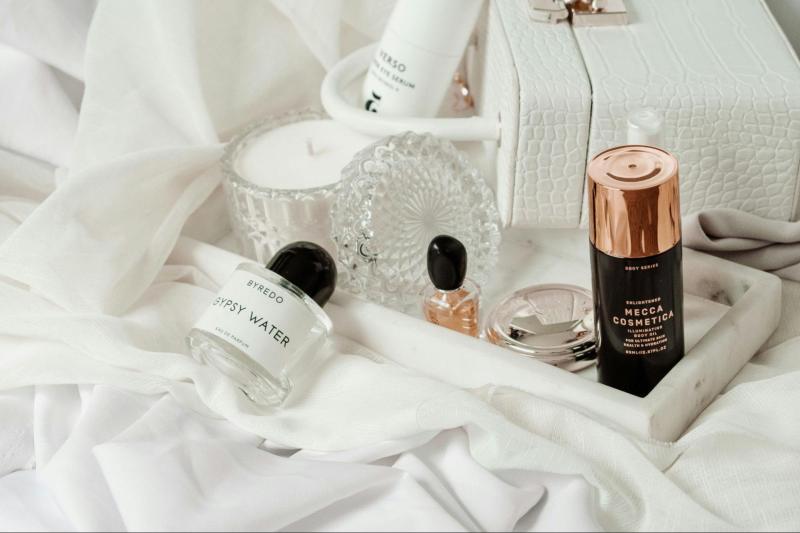
The beauty industry is experiencing a seismic shift as women worldwide abandon conventional cosmetics in favor of natural alternatives. This transformation represents more than a fleeting trend. It signals a fundamental change in how consumers approach personal care and wellbeing. The global natural cosmetics market reached 52.4 billion USD in 2025 and is projected to hit 95.7 billion USD by 2035, growing at a compound annual growth rate of 5.7%. These numbers tell a compelling story about changing consumer priorities and growing awareness of what goes onto skin.
Women today have access to unprecedented amounts of information about cosmetic ingredients and their long-term effects. This knowledge has sparked a revolution in purchasing decisions. The movement toward natural cosmetics is not simply about choosing different products. It represents a conscious decision to prioritize health, environmental sustainability, and ethical consumption over conventional beauty standards.
What Drives Women to Choose Natural Over Conventional?
The primary motivation for switching to natural cosmetics stems from health concerns. Conventional beauty products contain numerous synthetic chemicals that accumulate in the body over time. The average woman uses 12 personal care products daily, exposing herself to over 168 chemical ingredients before leaving home. Many of these compounds, including parabens, phthalates, and sulfates, have raised serious health questions among researchers and consumers alike.
Skin is the body's largest organ and absorbs approximately 60% of what gets applied to it. This absorption means that chemicals in cosmetics enter the bloodstream directly. Studies have linked common cosmetic ingredients to hormonal disruption, reproductive issues, and increased cancer risks. Women increasingly recognize that their daily beauty routine could be compromising their long-term health.
The clean beauty movement has gained remarkable momentum on social media platforms. The hashtag CleanBeauty has accumulated over 1.9 billion views on TikTok and 6.1 billion tags on Instagram. This digital conversation reflects a broader cultural shift toward transparency and ingredient awareness. Consumers no longer accept vague ingredient lists or marketing claims without scrutiny.
Environmental consciousness plays an equally important role in this transition. Research shows that over 30% of consumers prefer brands aligning with their environmental values, while 25% actively boycott brands failing to meet ethical expectations. The beauty industry's environmental impact extends beyond product ingredients to include packaging waste, water pollution from manufacturing, and carbon emissions from global supply chains.
How Synthetic Ingredients Impact Women's Health?
Conventional cosmetics contain a cocktail of chemicals designed to extend shelf life, enhance texture, and create immediate visible results. However, these synthetic ingredients come with hidden costs. Parabens, used as preservatives in countless beauty products, mimic estrogen in the body. This hormonal disruption can affect menstrual cycles, fertility, and increase breast cancer risk.
Phthalates, commonly found in fragrances and nail polish, have been linked to reproductive issues and developmental problems. The European Union has banned over 1,600 cosmetic ingredients due to safety concerns, while the United States has banned fewer than 40. This regulatory disparity highlights the gap between consumer protection standards across different markets.
Sulfates like Sodium Lauryl Sulfate create the rich lather in shampoos and cleansers but strip skin of natural oils. This disruption of the skin barrier leads to dryness, irritation, and increased sensitivity over time. Synthetic fragrances often contain dozens of undisclosed chemicals that can trigger allergic reactions and respiratory issues.
Formaldehyde-releasing preservatives used in many cosmetics are classified as potential carcinogens. These compounds break down slowly, releasing formaldehyde over time. The cumulative exposure from multiple products creates a toxic burden that the liver struggles to process effectively.
Heavy metals like lead, found in some lipsticks and hair dyes, accumulate in the body and can cause neurological damage. Women who regularly use conventional makeup may be exposing themselves to these harmful substances without realizing it. The long-term effects of this chronic exposure remain a growing concern among health professionals.
Why Natural Ingredients Perform Better Long-Term?
Natural cosmetics offer benefits that extend far beyond avoiding harmful chemicals. Plant-based ingredients contain vitamins, minerals, and antioxidants in their most bioavailable forms. The skin recognizes and processes these natural compounds more efficiently than synthetic alternatives. This compatibility leads to better absorption and more effective results over time.
Botanical oils like jojoba, argan, and rosehip provide essential fatty acids that strengthen the skin barrier. These oils work in harmony with the skin's natural sebum production, balancing both dry and oily skin types. Unlike synthetic moisturizers that create a temporary barrier, natural oils penetrate deeply to nourish and repair.
Plant extracts contain multiple active compounds that work synergistically. Green tea extract, for example, provides powerful antioxidants that protect against environmental damage while reducing inflammation. Chamomile soothes irritation naturally without the side effects of synthetic anti-inflammatory agents. Aloe vera hydrates and heals without clogging pores or disrupting the skin's pH balance.
Natural ingredients support the skin's own regeneration processes rather than simply masking problems. Scientific evidence indicates that botanical extracts stimulate collagen production, improve cell turnover, and enhance the skin's natural defense mechanisms. These effects accumulate over time, leading to healthier, more resilient skin.
The absence of synthetic fragrances and harsh preservatives means natural products are less likely to cause allergic reactions or sensitivity. This gentleness makes them suitable for all skin types, including reactive and compromised skin. Many women report that their skin improves dramatically after switching to natural cosmetics, with fewer breakouts, reduced redness, and better overall texture.
What Economic Factors Support This Shift?
The natural cosmetics market's rapid growth reflects strong economic forces beyond consumer preference. Millennials and Gen Z consumers, who comprise the largest demographic groups, demonstrate a clear preference for clean beauty products. These younger consumers possess significant purchasing power and prioritize values-based shopping. They actively seek brands that align with their environmental and ethical standards.
E-commerce has revolutionized access to natural beauty products. Online platforms account for 40% of natural cosmetics sales and are projected to reach 34.2 billion USD by 2035, growing at 6.3% annually. This digital marketplace allows niche natural brands to reach consumers directly, bypassing traditional retail barriers. Women can now easily compare ingredients, read reviews, and make informed purchasing decisions from home.
The pricing landscape for natural cosmetics has become increasingly competitive. While early natural brands positioned themselves as premium products, the market now offers options across all price points. Mid-range natural cosmetics dominate with 44.9% market share, making clean beauty accessible to a broader consumer base. This democratization has accelerated adoption among price-conscious shoppers.
Major beauty corporations have recognized this shift and adjusted their strategies accordingly. Large companies are either reformulating existing products or acquiring established natural brands. This corporate involvement brings economies of scale that reduce prices while maintaining quality. The result is a more competitive market with better value for consumers.
Investment in natural beauty brands has surged dramatically. Venture capital firms and growth equity investors see tremendous potential in this sector. This financial backing enables natural brands to expand production, improve distribution, and invest in research and development. The influx of capital fuels innovation and makes natural alternatives more widely available.
How Social Media Influences Beauty Choices?
Digital platforms have fundamentally altered how women discover and evaluate beauty products. Instagram, TikTok, and YouTube serve as primary sources of beauty information for millions of women. Influencers and content creators share personal experiences with products, creating authentic connections with audiences. This peer-to-peer communication carries more weight than traditional advertising.
Beauty tutorials and ingredient education videos have demystified cosmetic formulations. Women now understand terms like "non-comedogenic," "pH-balanced," and "antioxidant-rich." This knowledge empowers informed decision-making. The hashtag CleanBeautyMovement connects women globally, creating a community around shared values and product recommendations.
User-generated content provides unfiltered reviews and real-world results. Women trust before-and-after photos from actual users more than polished advertising campaigns. This transparency has forced brands to deliver on their promises rather than rely solely on marketing claims. Companies that fail to meet expectations face immediate public scrutiny.
Social media also amplifies awareness of harmful ingredients. When studies reveal concerns about specific chemicals, the information spreads rapidly through digital networks. Women share articles, discuss findings, and collectively pressure brands to reformulate. This grassroots activism has prompted significant industry changes.
Beauty industry experts note that social media has created a more informed and demanding consumer base. Brands can no longer hide behind vague claims or misleading labels. The demand for transparency and authenticity has become non-negotiable.
What Role Does Sustainability Play?
Environmental concerns drive purchasing decisions more powerfully than ever before. The beauty industry generates massive amounts of plastic waste, with billions of containers discarded annually. Natural cosmetics brands typically prioritize sustainable packaging, using glass, recyclable materials, or biodegradable alternatives. This commitment to reducing environmental impact resonates strongly with eco-conscious consumers.
Ingredient sourcing practices matter increasingly to women choosing beauty products. Natural cosmetics emphasize organic farming methods that avoid pesticides and synthetic fertilizers. These agricultural practices protect soil health, preserve biodiversity, and reduce water pollution. Consumers recognize that their purchasing decisions support either sustainable or destructive farming systems.
Carbon footprint considerations influence brand selection. Companies that invest in carbon-neutral manufacturing, renewable energy, and local sourcing appeal to environmentally aware shoppers. Many natural beauty brands transparently share their sustainability metrics, building trust through accountability.
Water conservation has emerged as a critical issue. Conventional cosmetics manufacturing consumes enormous quantities of water, often in regions facing scarcity. Natural brands increasingly develop waterless formulations or implement water-recycling systems. These innovations demonstrate commitment to responsible resource management.
Cruelty-free and vegan certifications have become standard expectations rather than luxury features. Women want assurance that no animals suffer for their beauty products. The availability of effective plant-based alternatives makes animal testing and animal-derived ingredients unnecessary and unacceptable.
Can Natural Cosmetics Match Performance Standards?
The misconception that natural products are less effective than synthetic alternatives has been thoroughly debunked. Modern natural cosmetics utilize advanced extraction methods and innovative formulations that deliver exceptional results. Plant-based active ingredients often outperform their synthetic counterparts when given adequate time to work.
Botanical retinol alternatives like bakuchiol provide similar anti-aging benefits without the irritation associated with synthetic retinoids. Natural vitamin C from kakadu plum or rosehip offers superior antioxidant protection compared to synthetic ascorbic acid. These plant-derived compounds come packaged with complementary nutrients that enhance their effectiveness.
Natural preservatives have advanced significantly, addressing previous concerns about product stability. Rosemary extract, vitamin E, and fermented ingredients effectively prevent microbial growth without harsh chemicals. Many natural products now offer shelf lives comparable to conventional cosmetics.
Texture and sensory experience have improved dramatically in natural formulations. Gone are the days when natural products felt heavy or greasy. Modern formulation techniques create lightweight, fast-absorbing products with luxurious textures. Natural brands now compete directly with prestige cosmetics on performance and elegance.
Clinical studies increasingly validate the efficacy of natural ingredients. Research demonstrates that plant extracts, essential oils, and botanical compounds deliver measurable improvements in skin health. These scientific findings give consumers confidence that natural products are not just safe but genuinely effective.
How Does Age Influence the Switch?
Different age groups approach natural cosmetics with distinct motivations and priorities. Women in their twenties often embrace natural beauty as part of a preventative wellness strategy. They seek products that protect their skin's health rather than merely treating existing problems. This demographic grew up with access to ingredient information and environmental education, making clean beauty a natural choice.
Women in their thirties and forties typically switch to natural cosmetics after experiencing skin sensitivity or reactions to conventional products. This age group often has established beauty routines and requires convincing to make changes. However, once they experience the benefits of natural ingredients, they become loyal advocates. Their purchasing power and influence make them valuable consumers for natural brands.
Mature women over fifty increasingly choose natural cosmetics for their gentle yet effective approach to aging skin. They appreciate products that nourish and support skin function rather than simply masking age-related changes. Natural ingredients rich in antioxidants and essential fatty acids address their specific concerns without harsh chemicals.
Pregnancy and motherhood frequently trigger the transition to natural beauty products. Women become more cautious about chemical exposure when pregnant or nursing. This protective instinct often extends to choosing safer products for their children, creating lasting loyalty to natural brands.
Teen and preteen interest in beauty has exploded, with this demographic increasingly exposed to natural product options. Parents concerned about chemical exposure for their children drive demand for gentler, cleaner formulations. This early adoption suggests natural cosmetics will continue growing as these young consumers mature.
Where Is the Natural Cosmetics Market Heading?
The trajectory of natural cosmetics points toward continued expansion and innovation. Asia-Pacific regions are expected to demonstrate the fastest growth rates, with rising urbanization and disposable incomes driving demand. Cultural shifts toward wellness and traditional beauty practices support natural ingredient acceptance in these markets.
Personalization represents the next frontier in natural beauty. Artificial intelligence and data analytics enable brands to create customized formulations based on individual skin profiles. This technology allows natural brands to compete with the personalized service previously exclusive to luxury conventional brands.
Biotechnology is revolutionizing natural cosmetics production. Fermentation processes and bioengineering create powerful natural ingredients more sustainably and efficiently than traditional extraction methods. These innovations expand the possibilities for natural formulations while reducing environmental impact.
Transparency will become even more critical as the market matures. Blockchain technology and digital platforms allow consumers to trace ingredients from source to product. This level of verification builds trust and combats greenwashing, a persistent problem in the natural beauty sector.
Integration of traditional botanical knowledge with modern science promises exciting developments. Indigenous plant remedies are being researched and validated through clinical studies. This fusion respects traditional wisdom while meeting contemporary efficacy standards.
The Irreversible Beauty Revolution
The shift toward natural cosmetics represents a profound transformation in consumer behavior and industry standards. Women are no longer willing to compromise their health or environmental values for beauty products. The movement combines health consciousness, environmental awareness, and demand for transparency into a powerful force reshaping the entire beauty sector.
Economic data confirms this transition is permanent rather than temporary. Market growth projections, investment trends, and consumer surveys all indicate continued expansion. Natural cosmetics have moved from niche markets to mainstream acceptance, with no signs of reversal.
The success of natural brands has forced conventional companies to reformulate products and adopt cleaner practices. This competitive pressure benefits all consumers, regardless of their specific product choices. The entire industry is becoming cleaner and more accountable as a result.
Women's collective decision to prioritize natural cosmetics demonstrates the power of informed consumer choice. By voting with their wallets, women are creating the beauty industry they want to see. This green revolution in cosmetics extends beyond individual products to encompass values, practices, and a vision for a healthier future.

Post Your Ad Here
Comments