How Interior Photography Sells Homes Faster in Houston
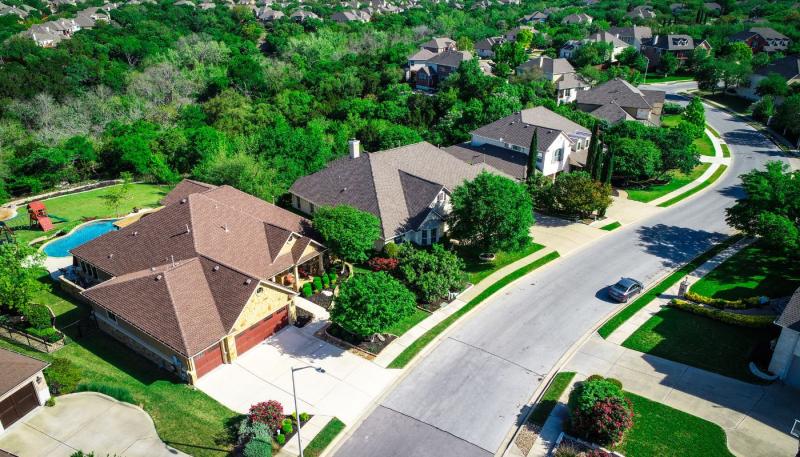
Great interior photography is more than pretty pictures — it’s a high-performance marketing tool that directly affects how fast a property sells and for how much. For brokers, sellers, and agents in Houston, partnering with a local real estate photographer houston tx can transform a listing from “meh” to must-see. This guide walks through exactly why interior photography matters, how it influences buyer behavior, practical shooting priorities, and a real-world, anonymized case study showing the difference professional images make.
Why interior photography carries so much weight
Buyers begin the journey online. Listing photos are often the first — and sometimes only — filter people use to decide whether to tour a property. Great interior photography:
-
Builds trust. Well-composed, color-accurate images signal that a seller and agent are professional and transparent.
-
Guides imagination. Photos that clearly show layout, scale, and natural light help buyers mentally move in.
-
Shortens time on market. Listings with high-quality interiors get more clicks, more showings, and typically a faster sale.
-
Protects pricing. Attractive photography justifies higher asking prices and attracts buyers who are willing to pay for perceived quality.
These benefits are why many top-rated brokers treat photography as a must-have marketing expense rather than an optional cost.
What separates an average shot from a results-driven interior photo
Not all “professional” photos are equal. A few common factors determine whether interior photos will be effective:
Composition and perspective
Shooting from the right height (typically 4–5 feet for interiors) and using wide, undistorted lenses shows space accurately. Photos that flatten rooms or cut off corners confuse viewers about flow and size.
Light management
Interior scenes are often mixed-light environments (natural plus warm indoor light). A trusted photographer balances exposures, preserves window views without blowing out highlights, and captures the time of day that flatters the space.
Accurate color and white balance
Color shifts make materials — paint, flooring, countertops — look different in person. Accurate color control prevents surprises at showings and avoids wasted appointments.
Decluttering and staging attention
Professional photographers know how to frame rooms to minimize visual clutter. They’ll often coach agents on quick staging tweaks: hide excess cables, replace a busy throw pillow, or angle chairs to open sightlines.
Technical polish
Sharpness, correct horizons, selective depth of field, and clean post-processing (no overdone HDR halos) keep images feeling high-performance and trustworthy.
How interior photography impacts buyer behavior (and your bottom line)
Here’s the buyer funnel effect in practical terms:
-
Listings with compelling interiors get more clicks. Searchers scroll fast — visible, well-lit interiors stop the scroll.
-
More clicks → more showings. Higher click-through converts into more booked appointments with qualified buyers.
-
More showings → higher chance of multiple offers. Competitive interest often produces offers at or above asking.
-
Fewer surprises at showing → fewer wasted open-house visits. When the online representation matches reality, showings are productive.
From an ROI perspective, a results-driven interior shoot is one of the most scalable marketing expenses for agents: the incremental cost of hiring a reliable, local real estate photographer houston tx often returns several percentage points in sale price or saves weeks on the market — both of which directly affect commission and client satisfaction.
Practical checklist: what to ask your photographer before the shoot
To make sure your investment is proven and reliable, confirm these items up front:
-
Portfolio samples of interior work (not just exteriors or landscapes).
-
Example turnaround time for edited images and rights to use images across MLS, social, and print.
-
Whether they provide twilight or drone options (when appropriate) and the additional cost.
-
Specific shooting plan for occupied vs. vacant homes — staging guidance and whether stagers or assistants are included.
-
File formats delivered and whether virtual twilight or minor retouching is included.
-
Whether they are familiar with Houston neighborhoods and typical buyer expectations there — local knowledge matters.
Cost vs. value: selecting an affordable, trusted photographer
You don’t need the most expensive shooter to get excellent results, but price often correlates with equipment quality, editing skill, and reliability. Look for a photographer who markets themselves as proven, reliable, and results-driven, and who offers transparent packages that match listing goals (e.g., basic interior set vs. premium bundle with twilight and floor plans). For many agents the sweet spot is an affordable but experienced pro who understands real estate pacing and turnaround needs.
Case study — An anonymized Houston listing (what happened when images changed)
Context: A mid-range, owner-occupied bungalow in a well-known Heights pocket was listed by a local agent. Initial listing used smartphone photos taken by the owner: uneven lighting, cluttered counters, and no clear room flow. The property sat on market for six weeks with few showings and limited online engagement.
Intervention: The agent booked a local real estate photographer houston tx through Pro Photo Listings. The photographer performed a targeted staging refresh (remove small personal items, re-angle furniture, open blinds), shot during late morning for balanced light, produced 20 edited images including wide-angle room shots and two detail shots, and delivered within 48 hours.
Outcome: After the new images were uploaded:
-
Listing views on the MLS and syndication networks doubled within 72 hours.
-
The property went from averaging 1–2 showings per week to 6 showings in the first 10 days after re-listing.
-
The seller received three offers, accepted one at 4.5% above the previous list price, and closed within 21 days.
Why it worked: The professional interior photos clarified layout and scale, showed improved natural light, and created an emotional connection for buyers who could see themselves using the space. The improvement was driven by better composition, color accuracy, and staging — not by structural changes.
This anonymized example reflects a pattern many agents see: when listing visuals are upgraded in a targeted, user-focused way, engagement and seller outcomes improve meaningfully.
How to measure success after a professional shoot
Track these metrics to quantify value:
-
Click-through rate on MLS and third-party sites (compare 7–14 days before vs. after photo change).
-
Number of showings per week.
-
Number of offers received and days on market.
-
Final sale price relative to list price.
-
Feedback from buyers’ agents regarding perceived condition and presentation.
If you’re working with a results-driven, industry-leading photographer, they’ll often help interpret these metrics and fine-tune future shoots.
Common pitfalls to avoid
-
Hiring a generalist photographer who doesn’t specialize in interiors or real estate.
-
Over-editing images with unrealistic HDR or heavy retouching that creates distrust.
-
Ignoring staging or failing to fix easy issues (clean windows, hide toiletries).
-
Choosing images that misrepresent square footage or room flow.
-
Waiting until the last minute — schedule photography early so you can make staging fixes.
Quick staging checklist for better interior photos
-
Clear countertops and remove personal photos.
-
Open blinds and turn on select lights for warm ambience.
-
Tidy cushions and straighten rugs.
-
Remove trash cans and obvious storage bins.
-
Add a small, fresh element (a simple floral stem or folded linen) for scale and life.
Conclusion: photography is a strategic investment, not a cosmetic expense
Interior photography is marketing infrastructure. When executed by a reliable, well-experienced local real estate photographer houston tx, it becomes a competitive advantage that shortens time on market, supports pricing, and delivers a scalable return on your marketing spend. Agents who prioritize results-driven visuals — and who work with trusted, affordable pros — consistently deliver better outcomes for sellers and build stronger reputations in their markets.
Post Your Ad Here
Comments