Create a Concentration-Boosting Home Office with Modern Furniture
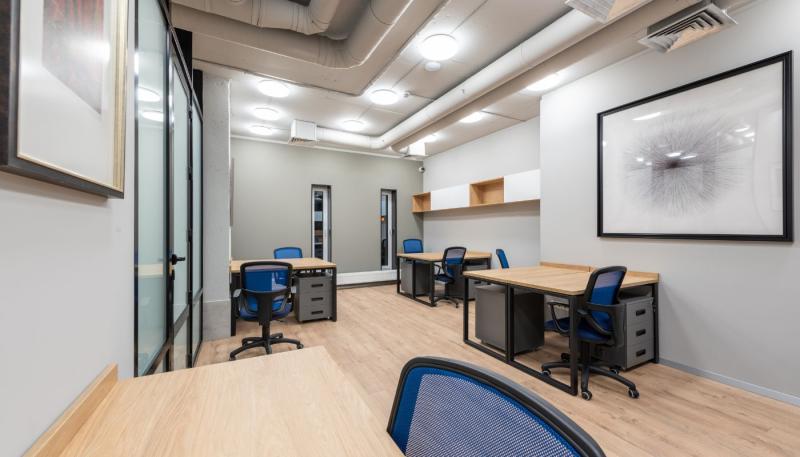
Working from home doesn’t have to mean working from a messy kitchen table. The way you design your home office has a direct impact on your ability to concentrate, think clearly, and do deep work. This guide focuses on practical, research-backed design moves and furniture choices that create a distraction-minimizing, comfort-first workspace — and it shows how modern office furniture Lafayette IN can be a smart, results-driven choice when you want an efficient, professional setup.
Start with a clear purpose (and one main task)
Before you buy furniture or repaint a wall, decide what your home office needs to do. Are you writing and researching most of the day? Leading video calls? Doing hands-on creative work that requires space and storage? Narrowing to one or two core tasks prevents over-design and helps you choose the right pieces — for example, a high-performance ergonomic chair and sit-stand desk for long writing sessions, or a compact bench and wall storage if you need physical materials nearby.
Zoning: separate focus areas
Even in a small room, create micro-zones for the different activities you do:
-
Primary work zone – desk, monitor, main chair. Keep it minimal and uncluttered.
-
Reference zone – shelves or storage for books, binders, physical notes.
-
Reset zone – a small chair or standing shelf for breaks, phone calls, or quick stretching.
This kind of spatial clarity is a proven way to reduce cognitive load: when everything has a place, your brain can ignore visual clutter and focus on the task at hand.
Choose furniture that supports focus
Modern office furniture Lafayette IN tends to emphasize ergonomics, modularity, and clean lines — all helpful for a focus-friendly room. Here’s what to prioritize:
-
Ergonomic chair: Look for adjustable lumbar support, seat depth, and armrests. Comfort reduces fidgeting, which directly improves attention span.
-
Sit-stand desk: Alternating posture has been shown to increase alertness and reduce fatigue. Choose a stable, easy-to-adjust desk with a smooth electric lift.
-
Monitor arms: Raises the screen to eye level, eliminates neck strain, and frees desktop space — fewer items on the desk equals fewer visual distractions.
-
Compact storage & drawers: Closed storage keeps surfaces clean and supplies out of sight. Use labeled bins and one quick “inbox” to avoid piles.
-
Cable management: A simple tray or grommet system under the desk removes cords from view. Out of sight, out of mind.
These components are available from trusted, local suppliers, and choosing reliable, top-rated pieces makes the workspace more durable and easier to maintain.
Lighting that keeps you alert (without glare)
Good lighting matters more than most people think:
-
Natural light: Position the desk perpendicular to windows if possible to get daylight without screen glare.
-
Task lighting: A user-friendly adjustable desk lamp with a warm-to-cool setting lets you dial in the right tone for tasks.
-
Ambient light: A soft overhead fixture reduces contrast and eye strain. Avoid single-source harsh lighting.
If you take many video calls, consider a small ring or panel light that clips to your monitor — professional-looking lighting reduces cognitive load from worrying about how you appear.
Control sound and visual distractions
Noise and visual clutter are major focus killers. Use these practical fixes:
-
Acoustic panels or soft textiles: Rugs, curtains, and wall panels absorb sound. Even a bookshelf with books can act as a sound diffuser.
-
White noise or focused playlists: Short bursts of neutral ambient sound can improve sustained focus for many people.
-
Visual edges: Keep your work zone visually distinct — a rug, a different wall color, or a single framed print helps your brain mentally “enter work mode.”
Color, materials, and minimalism
Colors impact mood and concentration. For most tasks, choose:
-
Muted, neutral tones for walls and large furniture to avoid overstimulation.
-
Accent color for one wall or accessories to add energy (green and blue tones are calming and proven to support concentration).
-
Natural materials like wood and soft fabrics add warmth without visual noise.
Modern office furniture Lafayette IN often uses neutral palettes with industrial or clean finishes — an aesthetic that’s calming and professional.
Smart storage strategies
Clutter is the enemy of focus. Adopt systems instead of piles:
-
Daily essentials drawer: Keep only what you need every day.
-
Weekly archive: A shallow box or drawer where items live for seven days before filing or discarding — this reduces decision fatigue.
-
Vertical storage: Floating shelves or tall cabinets use floor footprint efficiently and keep surfaces clear.
Labeling, consistent placement, and a weekly 5-minute tidy habit create a low-effort, long-term tidy solution.
Tech setup that removes friction
A reliable tech setup keeps your workflow smooth:
-
Fast, consistent internet connection — prioritize wired ethernet for reliability during long calls.
-
Dual monitors only if useful — more screen space helps many tasks but can also encourage multitasking. Use virtual desktops to separate work contexts.
-
Docking station for a laptop simplifies switching between portable and desk-based work.
-
Backups and power protection — a simple UPS (uninterruptible power supply) protects against data loss and keeps you calm during outages.
High-performance, cutting-edge accessories are helpful but focus more on reliability and seamless operation than features you'll rarely use.
Plants, air, and breaks — the human side of focus
-
Plants improve air quality and reduce stress; a single low-maintenance plant near your desk can help.
-
Air circulation: A small desk fan or opening a window for a few minutes improves alertness.
-
Micro-breaks: Use a timer (the Pomodoro technique or a gentle calendar reminder) for short movement breaks. Positioning a small stretching area near your reset zone encourages them.
Case study: Bringing focus to a Lafayette home office (example)
Indoff Office Interiors recently assisted a Lafayette-based freelance design consultant who had been working from a cramped bedroom corner. The challenge was a lack of workspace, poor lighting, and constant visual clutter.
What they implemented:
-
Purpose-first planning: The consultant’s primary task was long-form design and client calls. Indoff recommended a stable sit-stand desk and an ergonomic, adjustable chair to support long writing sessions.
-
Modular storage: They added a tall, narrow storage cabinet and a floating shelf for materials — this reclaimed floor space and reduced surface clutter.
-
Lighting & acoustics: A task lamp with adjustable color temperature and a small acoustic panel behind the desk improved call audio quality and reduced reflective glare.
-
Local, reliable sourcing: Choosing modern office furniture Lafayette IN from a local supplier ensured quick delivery, professional installation, and the flexibility to swap pieces after a month of use.
Outcome: Within two weeks the consultant reported fewer distractions, clearer thinking during design work, and higher confidence on client video calls. The focused, well-experienced approach to furniture selection and layout proved to be a scalable, affordable way to upgrade performance without an entire remodel.
Quick layout checklist (ready to use)
-
Desk perpendicular to window for daylight without glare.
-
Monitor top at or slightly below eye level; use an arm if necessary.
-
Feet flat on the floor or on a footrest; knees at 90°.
-
Keep only daily tools on your desk (phone, notebook, pen, water).
-
Closed storage within arm’s reach for frequently used items.
-
Lighting: ambient + task; test on video calls.
-
Acoustic treatment if you regularly take calls or need quiet.
Small-budget swaps that make a big difference
If you’re working to a budget, prioritize these affordable, proven updates:
-
Replace an old chair with a properly adjustable one — comfort first.
-
Add a monitor riser or laptop stand to fix posture.
-
Use a simple desk lamp with adjustable warmth.
-
Add a small shelving unit to clear the desk.
These are affordable, trusted tweaks that deliver immediate improvements in focus and comfort.
Maintaining a focused environment
Design isn’t a one-time event. Revisit your setup after a month and ask:
-
What’s on my desk that I didn’t use at all?
-
When do I feel most distracted — morning or afternoon?
-
Are my breaks regular and refreshing?
Small iterative adjustments keep the workspace aligned with how you actually work.
Final thoughts
Designing a home office that helps you focus is about choices that remove friction: the right desk and chair to support your body, lighting and acoustic solutions that reduce strain, and storage systems that keep visual clutter out of view. Choosing modern office furniture Lafayette IN can be a practical, results-driven step because local suppliers often offer reliable delivery, installation, and aftercare — making the upgrade both user-friendly and scalable to future needs.
Post Your Ad Here
Comments