How to Choose Dining Room Paint for Rooms with Little Light
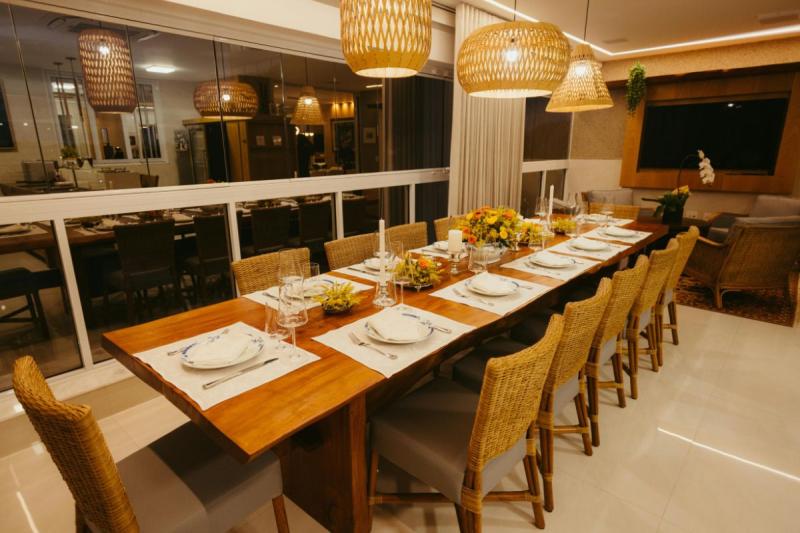
Low-light dining rooms can feel cozy — or they can feel small, flat, and uninviting. The difference usually comes down to color choices and how those colors interact with limited daylight and artificial lighting. This guide walks you through practical, design-forward paint strategies that brighten and flatter dim dining spaces, plus proven color pairings and application tips. If you’re in the Gresham area and want pro help, hiring a trusted house painter in Gresham Oregon can make the process fast, reliable, and results-driven.
Why lighting changes everything
Light is the single biggest factor in how a paint color reads. In a low-light dining room, colors lose contrast and saturation; warm tones can look muddier, and cool tones can feel flat. That means the “perfect” color in a well-lit showroom often becomes the wrong choice in a dim interior. The goal in a low-light room is to pick colors that reflect light and maintain warmth and depth without needing extra windows.
Basic rules before you pick a hue
-
Start with warm neutrals or softened tones. Pure white can feel sterile; deep, saturated hues can swallow available light. Warm greiges, soft creams, and muted pastels bounce light while adding warmth.
-
Mind the undertone. A gray with a blue undertone will read colder in low light. Opt for greiges with beige or warm undertones to avoid a gloomy look.
-
Use contrast intentionally. Keep ceilings and trim lighter than walls to visually raise the space. A slightly darker accent wall or banquette wall adds depth without overpowering the room.
-
Choose the right sheen. Eggshell or satin reflects a modest amount of light and hides imperfections. Reserve semi-gloss for trim and moulding to create reflective edges that “pop.”
-
Test in the room, not the store. Swatches can change dramatically under warm dining lights or north-facing windows. Paint 2–3 large swatches and observe them at various times of day.
Paint color families that work best
Below are dependable color directions that perform well in low-light dining rooms.
Warm neutrals (the safest, most versatile choice)
Warm neutrals—think cream, warm greige, and soft taupe—reflect the most light and create a welcoming backdrop. They’re affordable and timeless, making them ideal if you plan to sell or want a top-rated, low-risk palette.
Sample pairings:
-
Warm greige walls + crisp off-white trim + natural wood table.
-
Cream walls + soft terracotta accents + brass fixtures.
Muted pastels (soft color without losing light)
Delicate pastels with grayed or warm bases keep color without becoming candy-bright. Dusty blush, sage with gray undertones, and powder blue can all read sophisticated and inviting in low light.
Sample pairings:
-
Dusty blush walls + warm beige trim + matte black lighting fixtures.
-
Muted sage walls + cream wainscoting + wood floors.
Deep, moody hues (use sparingly and strategically)
Deep colors like navy, charcoal, or forest green can work when paired with lighter surrounding surfaces and generous trim contrast. Use a dark hue on a single focal wall, or in a dining banquette niche, rather than all four walls—this preserves depth without darkening the whole room.
Sample pairings:
-
Deep navy accent wall + pale warm gray on other walls + glossy white trim.
-
Forest-green wainscoting with a lighter warm neutral above.
Two-tone walls and trims (engineered contrast)
A mid-tone wall with a lighter ceiling and trim increases perceived height and brightness. Two-tone schemes are results-driven and can be surprisingly affordable if you work with a reliable house painter in Gresham Oregon who preps surfaces well and applies crisp lines.
Practical paint and finish tips
-
Primer is not optional. A quality primer evens out absorption on older walls and makes the topcoat more luminous.
-
Satin or eggshell for walls. These finishes reflect enough light to feel lively while minimizing glare.
-
Semi-gloss for trim and doors. The extra sheen on trim helps reflect light and provides a subtle frame around the room.
-
Ceilings should be the lightest surface. Even a slightly lighter version of your wall color will bounce light back into the room.
-
Avoid overly chalky or flat finishes. They soak up light and reveal scuffs easily in dining areas.
Lighting and decor that amplify paint choices
Paint alone won’t fix a windowless dining room. Combine color with lighting and surfaces that boost reflectivity:
-
Layer light: overhead fixture + wall sconces + dimmable table lamp or buffet lamp. Warm LED bulbs (2700–3000K) complement warm neutrals.
-
Reflective accents: mirrored buffet, metallic hardware, or a glossy backsplash behind a sideboard will return light to the space.
-
Textiles: choose linens and upholstery in light-reflecting fabrics; avoid heavy, matte textiles that absorb light.
-
Artwork and frames: lightly colored mats and thin metallic frames help break up dark walls and add luminance.
How to test colors the right way
-
Buy large sample pots or peel-and-stick swatches.
-
Paint three 3x3-foot areas at eye level on different walls—some colors shift with wall orientation.
-
Observe at morning, afternoon, and with your dining light on. Live with the swatches for at least 48 hours.
-
Consider furnishings and flooring—colors must harmonize with the room’s permanent assets.
A brief local case study (Gresham)
A recent dining-room refresh for a bungalow in central Gresham illustrates the approach. The room faced a north-facing yard and received little direct light. The homeowner wanted a warm, welcoming dinner space where guests felt comfortable even on overcast evenings.
What we did:
-
Walls: warm greige with a subtle beige undertone to reflect available daylight without appearing yellow.
-
Trim/ceiling: slightly lighter cream to raise the visual height. Semi-gloss trim created crisp lines that reflected light.
-
Accent: a single short wall painted a muted, dusty olive behind the buffet to anchor the dining set.
-
Lighting: replaced a dated fixture with a low-hung pendant and added a pair of dimmable wall sconces.
-
Result: the room felt larger and cozier; the warm neutral kept the palette classic while the olive accent provided character. The homeowner praised the affordable, professional service from their local, well-experienced house painter in Gresham Oregon—specifically noting the clean prep work and crisp finish as highlights.
When to call a pro
If your dining room has patchy walls, water stains, or requires drywall repair, hiring a reputable house painter in Gresham Oregon is smart. Pros bring high-performance materials, professional surface prep, and efficient application—saving you time and preventing costly do-overs. Look for contractors with proven local reviews, clear estimates, and a portfolio that shows attention to color under real home lighting.
Quick cheat-sheet: Colors that consistently work in low-light dining rooms
-
Warm greige (beige undertone) — versatile, reflects light well.
-
Creamy off-white — brightens and pairs with most décor.
-
Dusty blush or muted peach — adds warmth without saturation.
-
Muted sage — soft, classic, and calming.
-
Deep navy or forest green (accent use only) — provides drama when balanced with light trim.
Final checklist before painting
-
Test large swatches under real lighting.
-
Choose satin or eggshell for walls and semi-gloss for trim.
-
Prime when changing from dark to light or when walls are stained.
-
Coordinate light fixtures and reflective surfaces with your new color.
-
Get a written estimate and color preview from a trusted house painter in Gresham Oregon if hiring out.
Choosing the right paint for a low-light dining room is a mix of art and science. With thoughtful undertones, the right sheen, and strategic accents, even the dimmest dining areas can feel open, warm, and inviting. If you want a tailored plan — from color selection to professional application — a reliable, results-driven house painter in Gresham Oregon like Premier Painting & Contracting LLC can handle the details and deliver a polished, high-performance finish.
Post Your Ad Here
Comments