Why Artificial Intelligence Garden Design Is Growing in Popularity?
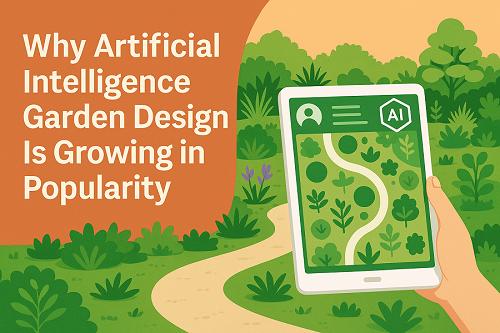
All of a sudden, people who could never keep a cactus alive are planting gardens worthy of magazine covers. In perfect spacing. With actual sun-matched plants that look like they belong in some intentional layout rather than “random pots I found on sale,” placed willy-nilly across the patio.
If you ask them how they did it: “Oh, the app helped.” They shrug. As if an apology for having used artificial intelligence to do what humans have never been able to accomplish organically.
That “app” is most likely AI-driven.
Somewhere between the craze for smart homes and mobile app development Indianapolis teams went all experimental with projects at the intersection of nature and technology, gardening silently crept online. But it has not taken away its soul; instead, artificial intelligence gives users slight hints that transform their bewilderment into assured knowledge.
Everyone wants a garden but not everyone knows where to start
Here’s the truth: I don’t have a working knowledge of my soil composition, or how much shade falls where and when during different parts of the growing season. Most people don’t. Garden books always help fill in some blanks-but let’s be honest, nobody reads them cover to cover.
What AI tools really do is remove that intimidating barrier.
You upload a photo of your yard.
You answer a few questions.
Suddenly you’re holding a plan that feels doable, not overwhelming.
Instead of guessing, the app gives you:
Which spots get the right amount of sun?
What plants won’t die after two weeks?
How much water is actually enough?
And which layouts won’t look chaotic?
Gardening no longer feels like such a gamble. It finally becomes the kind of creative project people can enjoy, thanks to adequate information-yes, sufficient and not abundant.
AI Helps People Avoid Expensive Mistakes
Planting the wrong thing in the wrong place is more than just frustrating. It is a waste of time, money, and energy. A cluttered garden can be charming but if it begins to fail then discouragement sets in.
AI detects these mistakes at lightning speed:
“That plant cannot survive this climate.”
“This place gets flooded when it rains so something stronger should be planted here.”
“They are spaced too closely together- they will choke each other out.”
The application acts as a serene uncritical pocket gardener.
And this practical side is exactly why so many app creators — including teams working in mobile app development Indianapolis — are diving deeper into plant-recognition algorithms, soil prediction models, and weather-based suggestions.
The tech doesn’t steal the fun. It reduces the frustration.
People Like Seeing the Future Before Digging Holes
This is one of the biggest reasons AI garden design exploded.
We’ve all rearranged furniture ten times in our heads before actually moving anything. Gardeners want that same freedom.
Here is what AI gives you as a preview:
Want to see a section of wildflowers? There it is.
Prefer minimalism? One click.
Wonder if a water feature fits? Drop it into the preview.
Seeing your future yard before touching a shovel feels magical. And once people get a taste of that… well, dirt doesn’t seem so scary anymore.
Climate and Weather Are Too Unpredictable to Rely on Guesswork
Weather patterns have changed. A plant that used to thrive well in a certain region now struggles to grow there. Rainfall has shifted. Storms appear from nowhere.
Recommendations by AI tools and systems are based on instant updates—not on some out-of-date gardening books but rather current real-time data.
That matters for:
The older people who want low-maintenance spaces.
The families are trying to grow food.
Or anyone turning their yard into a quiet retreat.
The more chaotic the climate feels, the more comforting AI suggestions become.
AI Makes Gardening Feel Creative, Not Complicated
At the end of the day, people aren’t turning to AI because they want perfect gardens. They’re using it because it helps them express something:
a relaxing space for evenings,
a spot for homegrown herbs,
a backyard that finally matches the mood they imagined.
The tech is just helping shape that imagination.
And honestly, that’s why AI garden design is growing: It gives people a gentle push, then stays out of the way.
AI doesn’t replace the feeling of dirt under your nails. It just makes sure what you plant actually has a chance to grow.
Post Your Ad Here
Comments