Building Cloud Apps That Actually Work
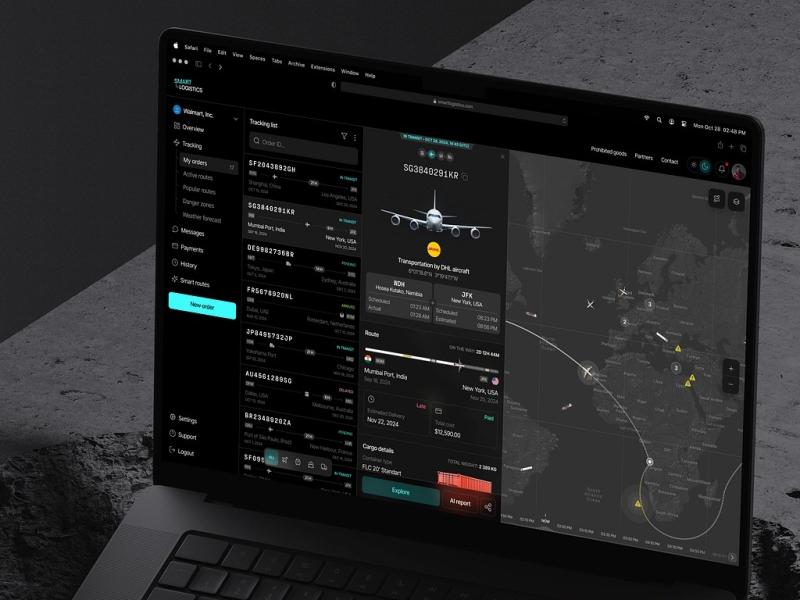
The shift to the cloud isn’t about chasing buzzwords — it’s about survival. If you’re building software today, odds are it’ll live somewhere in the cloud, even if you don’t call it that. From design tools to banking systems, everything runs on someone else’s servers. And if you’re serious about developing something scalable, secure, and fast, understanding how cloud applications are built isn’t optional — it’s table stakes.
Let’s take a step back and ask the only question that really matters: why the cloud, and how do we make it work for us instead of against us?
What a “Cloud App” Really Is
Forget the jargon for a second. A cloud app is just software that stores its logic and data somewhere other than your user’s device. That’s it. You log in from a browser or a phone, and the app pulls everything it needs from remote servers.
But the simplicity ends there. Underneath, you’ve got a whole ecosystem — databases, APIs, microservices, and infrastructure that scales as demand spikes. Think of Dropbox, Google Docs, or Slack. They aren’t just websites; they’re systems designed to be fast, collaborative, and instantly available anywhere.
For startups, this model means freedom: no more buying servers or worrying about capacity. You rent what you need, use it, and scale when things take off.
How to Approach Cloud App Development
You don’t “build a cloud app” so much as design for the cloud. That mindset shift changes everything. The architecture, the team, even how you test — all of it adapts to a distributed world.
Here’s how a typical process looks when done right:
-
Start with purpose. Identify the one problem your app will solve. Define the minimum features you can launch with — your MVP. This isn’t just budgeting advice; it’s how you keep focus.
-
Choose your model. Will it be SaaS, PaaS, or IaaS? This defines your stack, pricing structure, and how users interact with your product.
-
Design for scalability. Build microservices where possible. Use APIs to separate concerns. You don’t want one big, tangled mess of dependencies.
-
Secure everything. Encryption, authentication, and compliance (like GDPR) aren’t optional extras. They’re baked into every layer.
-
Automate deployment. Use CI/CD pipelines. Ship smaller changes faster. In the cloud, manual updates are how downtime happens.
-
Monitor and iterate. The app isn’t “done.” You observe, fix, and improve continuously.
The process is technical, sure, but it’s mostly about discipline. Building for the cloud rewards teams that document, test, and communicate well.
If you’re building SaaS or enterprise software, this approach applies especially well. Every choice — from architecture to UI — should assume your users will grow, your data will multiply, and your product will need to handle both gracefully.
Why It’s Worth the Effort
There’s a reason companies are rewriting entire systems for the cloud. The benefits are hard to ignore:
-
Scalability: Add users without rewriting the app.
-
Cost control: You pay only for what you use.
-
Accessibility: Teams work from anywhere, on any device.
-
Security: Leading cloud providers invest far more in security than most businesses can afford.
-
Speed: With distributed servers and caching, performance improves as your reach expands.
These aren’t theoretical perks. They translate directly into user satisfaction and lower long-term costs.
What It Costs
This is the part founders usually skip to. Unfortunately, the answer is: it depends.
A small MVP cloud app might start around $30,000–$50,000, while enterprise systems easily climb into six or seven figures. What drives cost isn’t just coding — it’s architecture, integrations, compliance, and ongoing maintenance. The real expense begins after launch, when updates, hosting, and scaling enter the picture.
The smart play? Build lean first. Collect user feedback. Then grow into complexity as your audience and revenue justify it.
Where the Cloud Is Headed
The future of cloud apps is less about infrastructure and more about abstraction. Serverless architectures, edge computing, and AI integrations will keep removing the technical overhead, letting teams focus on what users actually see and touch.
At the same time, low-code development is expanding the field, enabling faster prototyping and collaboration between technical and non-technical teams. That’s good news if you care about building quickly — and bad news if you’re stuck in old release cycles.
Ultimately, the cloud has become invisible — just the plumbing beneath your product. What still matters is craftsmanship: designing interfaces people love, solving problems they care about, and delivering experiences that feel effortless.
If you can get that part right, the cloud will take care of the rest. You can learn more about designing intuitive, scalable experiences here.

Comments