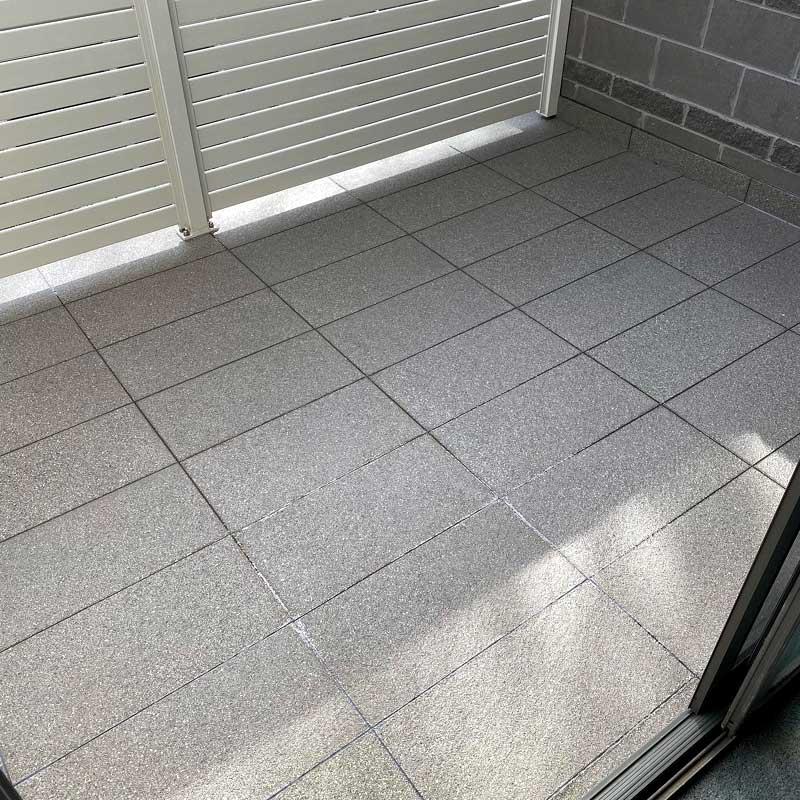
Why Balcony Waterproofing Matters in Australia
In Australian climates, especially in Melbourne, balconies face harsh weather changes throughout the year. Heavy rain, intense sun, and strong winds can cause small cracks and movement in balcony surfaces. Without proper waterproofing, these elements easily penetrate through grout lines and beneath tiles, leading to leaks and long-term structural damage. Following the correct Australian Standard for balcony waterproofing is essential to protect your property and prevent costly repairs in the future.
Understanding the Australian Standard for Waterproofing
The main guideline for waterproofing balconies is AS 4654.2, which defines how membranes should be applied to external above-ground structures. This standard outlines everything from substrate preparation to membrane thickness and curing time. For Melbourne homes, it ensures that the waterproofing system can handle the local climate’s temperature variations and rainfall. Compliance with this standard gives property owners confidence that their balcony is properly sealed and that materials used are durable and tested for performance.
Common Issues Leading to Balcony Leaks
Balcony leaks often develop from poor tiling, cracked grout, or membranes that were incorrectly installed. Over time, exposure to the weather causes tiles to shift slightly, allowing water to seep through. Once moisture gets trapped beneath the surface, it can cause efflorescence, swelling, and even concrete cancer. When left untreated, a simple regrout job turns into a major repair project. In Melbourne, where rain is frequent, balcony leak repairs should always start with a full inspection of the existing membrane and the condition of the tiles.
Effective Waterproofing Solutions for Balconies
Modern balcony waterproofing methods include liquid-applied membranes, sheet systems, and clear membrane coatings. A clear membrane is ideal when you want to retain the original tile look while still protecting the surface from water damage. For more severe cases, damaged tiles may need to be replaced before a new waterproofing layer is applied. It is important to work with professionals experienced in balcony tiling who understand how to manage substrate fall, drainage points, and sealing around edges and joints.
When to Regrout or Replace Balcony Tiles
If your balcony tiles are loose, stained, or showing signs of mould, it may be time to regrout or replace them. Regrouting can refresh the appearance of the surface and help restore the barrier that keeps moisture out. However, if the damage extends below the tiles, a full waterproofing repair will be required. In Melbourne, many homeowners choose to upgrade their balconies during retiling projects, adding slip-resistant tiles and applying a new waterproofing system that meets the latest standards.
Keeping Balconies Protected Year-Round
Regular maintenance plays a key role in extending the life of balcony waterproofing. Inspect the joints, grout lines, and tile edges at least once a year. Check for any soft spots or discolouration that could indicate a water problem. A properly applied membrane should last for years, but constant exposure to UV rays and rain can eventually weaken it. Engaging a specialist for balcony leak repairs ensures that any issues are identified early and fixed before they escalate.
Final Thoughts
Balcony waterproofing according to Australian Standard is not just a recommendation; it is a necessity for long-term durability. Whether you are dealing with minor cracks or planning a full balcony tiling renovation, professional attention to waterproofing ensures that your space stays safe, dry, and visually appealing. Melbourne homeowners can save thousands in future structural repairs by repair leaks early and using the right materials for local weather conditions.
Comments