Are All Ingredients Listed on Food Labels?
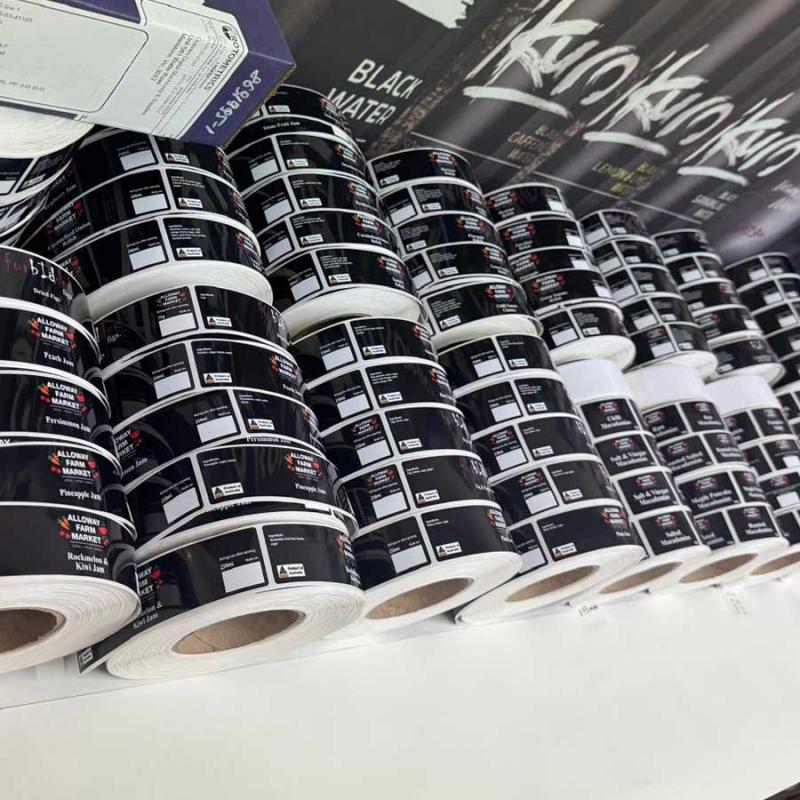
When you pick up a packaged food item in Australia, the food label gives you a quick overview of what is inside. But are all ingredients really listed on food labels? Understanding how ingredients are displayed and what regulations apply helps you make better decisions about the food you buy and eat.
What Food Labels Must Show in Australia
In Australia, food labels are regulated by Food Standards Australia New Zealand (FSANZ). According to these standards, all ingredients in packaged foods must be listed on the label in descending order by weight. This means the first item listed is present in the largest amount, and the last one is in the smallest. Labels also need to include additives, preservatives, and any allergens such as nuts, dairy, soy, or gluten.
There are a few exceptions. For example, certain small quantities of additives used as processing aids might not appear on the label. These are substances that are present only in trace amounts and serve a technical function during production rather than in the final product. However, for the average consumer, almost every component that forms part of the finished product must appear on the food label.
Understanding Food Grade and Packaging Information
Food grade materials play a key role in keeping products safe. Packaging that holds food must meet strict standards to prevent contamination and maintain freshness. Labels printed on food packaging are required to be made from food grade materials and printing processes approved for use with consumables.
In Australia, the materials used for sticker and label printing must meet standards that align with international safety guidelines. The printing inks used must not transfer harmful chemicals to the food or its packaging. Many local printing companies specialising in sticker and label printing follow FDA-compliant processes to ensure their products are safe and suitable for food packaging.
The Role of Sticker and Label Printing in Food Packaging
Sticker and label printing does more than just make products look appealing. It is part of a system that ensures accurate information is shared with consumers. Labels communicate essential data about ingredients, expiry dates, nutritional facts, and allergen warnings.
When food manufacturers order custom stickers or labels, they must ensure that every detail printed is compliant with FSANZ regulations. The label design must also stay legible after handling, refrigeration, or exposure to moisture. Many food producers choose durable, food grade labels that maintain clarity and adhesion throughout the product’s shelf life.
Are There Hidden Ingredients Not Listed?
While most packaged foods list all their ingredients, some components are grouped under generic names. For instance, vegetable oil may refer to a blend of oils such as canola, sunflower, or palm oil. Similarly, flavourings can be listed as natural or artificial without specifying the exact substances used.
However, this practice is still within the rules as long as the ingredient category accurately represents what is included. Manufacturers are not allowed to hide allergens or substances that may cause reactions. This is why food manufacturers are careful about ingredient sourcing, quality control, and labelling accuracy.
Why Accurate Labelling Matters
Accurate labelling builds trust between manufacturers and consumers. It allows people to make informed choices based on health conditions, religious beliefs, or dietary preferences. For food producers, meeting food grade labelling standards also avoids costly recalls or legal issues.
In Australia, a failure to declare allergens or incorrect ingredient listings can lead to severe penalties. That is why many companies partner with reliable printing services that understand the rules around sticker and label printing for food packaging.
The Future of Food Labels in Australia
With growing interest in transparency and health, the future of food labelling is shifting towards greater detail. Some companies are adding QR codes that let consumers access extra information about ingredient sources, sustainability, and manufacturing methods.
Sticker and label printing technologies continue to evolve as well. Modern digital printing allows short runs and precise colour matching while keeping production within food grade safety limits. As more food brands seek to stand out, the demand for compliant, attractive, and informative labels will only rise.
Final Thoughts
In short, yes — all ingredients in Australian packaged foods must be listed on the label, with very few technical exceptions. The rules are designed to protect consumers and maintain honesty in the food industry. Whether you are checking for allergens, calorie content, or the quality of packaging, those small printed stickers on your food hold a lot of vital information.
Next time you buy packaged food, take a moment to read the label. Behind that simple printed sticker lies a careful process of regulation, testing, and precise printing that ensures what you eat is both safe and clearly represented.
Post Your Ad Here
Comments