Gross Motor Skills and Early Development
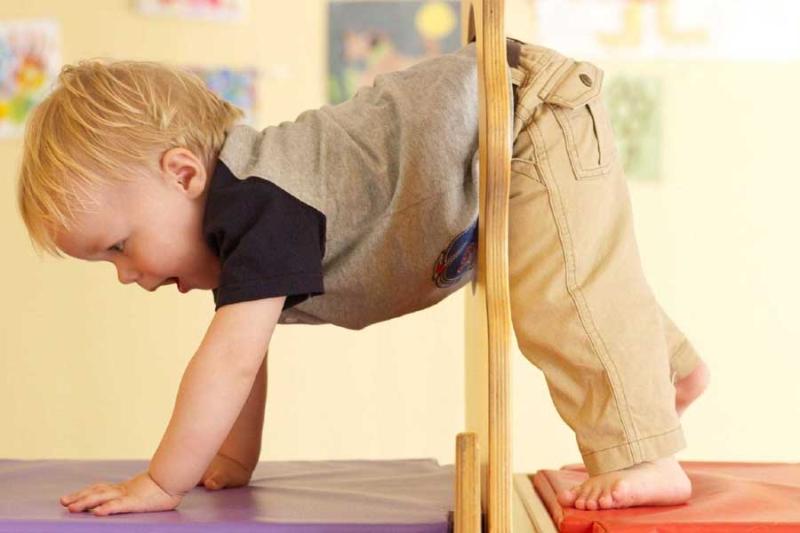
Gross motor skills are the foundation for how preschoolers move, explore, and interact with their world. These skills involve large muscle groups that control actions like running, jumping, and climbing. In Melbourne, many parents and educators understand that early support for physical development plays a big role in later learning, confidence, and social success. Developing gross motor skills is not only about physical ability but also about supporting brain development, memory, and attention.
The Link Between Movement and Brain Development
When young kids move, their brains form new connections that support coordination and learning. Occupational therapy paediatric specialists often explain that these activities strengthen both the body and the brain. Tasks that require balance, timing, and coordination such as skipping, hopping, or playing catch help improve a child’s focus and problem-solving ability. Movement is also linked to better emotional control and readiness for classroom learning.
The Role of Occupational Therapy in Melbourne
Pediatric Occupational Therapy (OT) provides structured support for children who need help developing these abilities. Occupational therapists in Melbourne assess how children move and design exercises that target specific muscle groups or coordination skills. Sessions might include crawling through tunnels, balancing on beams, or jumping over soft obstacles. These tasks may look like play, but they are carefully planned to improve strength, endurance, and body awareness. Occupational Therapy paediatric professionals often include parents in the process so that families can continue the same activities at home.
Fun Gross Motor Activities for Preschoolers
There are many fun and simple activities families can try with preschoolers to build gross motor skills. Setting up a small obstacle course in the backyard can encourage kids to climb, crawl, and jump, which improves strength and coordination. Playing ball games helps with timing and hand-eye coordination. Dancing to music improves rhythm and body awareness. Even walking to the park or playing on playground equipment supports muscle development and confidence. Parents can turn everyday tasks into learning opportunities for example, asking a child to carry groceries or water plants can promote balance and strength.
Gross Motor Learning at School and Childcare
In Melbourne, schools and early learning centres often include gross motor skill development as part of daily routines. Teachers create games that involve running, hopping, or balancing to help children stay active. These activities not only improve coordination but also teach teamwork and patience. Many schools collaborate with occupational therapists to monitor progress and provide extra support where needed.
How Families Can Support Gross Motor Development
Families play an essential role in reinforcing what children learn during school or therapy. Encouraging outdoor play and limiting screen time helps children move more often and use their energy in positive ways. Regular movement supports muscle growth, builds endurance, and strengthens posture. Children who are physically confident are often more socially engaged and more willing to try new challenges at school.
The benefits of developing gross motor skills go far beyond physical movement. When children have strong coordination and balance, they are better prepared for fine motor activities such as writing, drawing, and dressing themselves. Improved movement patterns also lead to better focus and memory. Pediatric Occupational Therapy experts often see children gain confidence as they master new movements, which in turn helps them succeed academically and socially.
When to Seek Professional Guidance
Parents should seek guidance from an Occupational Therapy paediatric professional if they notice that their child struggles with balance, coordination, or confidence in movement. Early intervention can make a big difference. In Melbourne, many occupational therapy services focus on play based programs that make learning enjoyable and natural. Therapists create personalised plans that match the child’s abilities and build progress step by step.
Encouraging Long-Term Development
Supporting gross motor development is a shared effort between the child, family, school, and therapist. Through consistent encouragement, play, and practice, children can develop strong movement patterns that support healthy growth and brain development. Families in Melbourne who focus on these early activities often see their kids grow into confident, coordinated learners ready for the next stage of school and life.
Post Your Ad Here
Comments