Can Water Come Through a Concrete Floor?
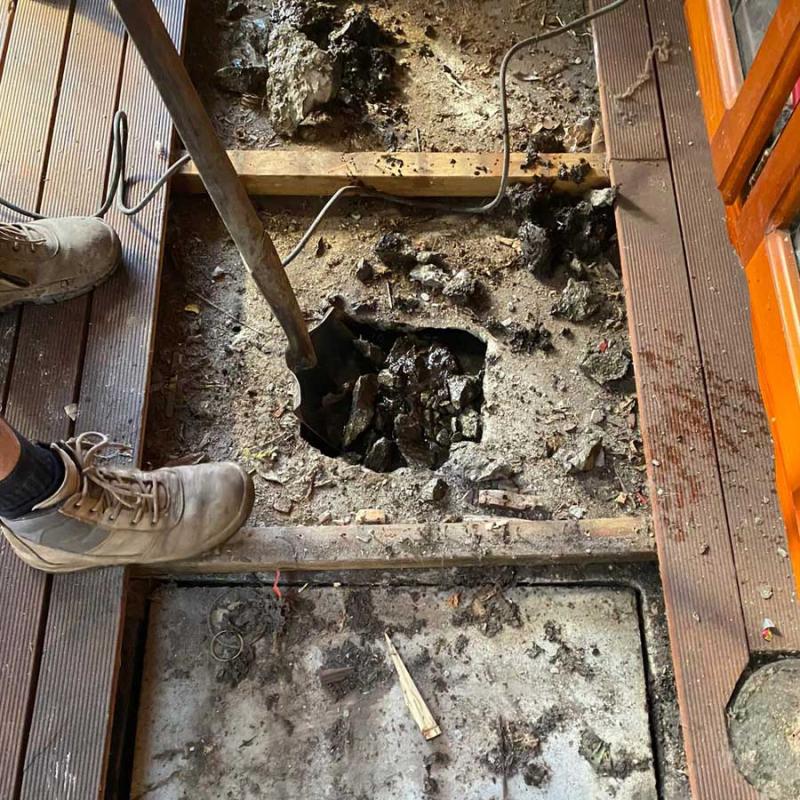
Many homeowners across Melbourne are surprised when they find damp spots or mould appearing on their floors. The first thought is often a leaking roof or a plumbing problem, but water coming through a concrete floor is a real and often overlooked issue. Although concrete appears solid, it is a porous material that allows moisture to travel through tiny capillaries, especially when there is a water source underneath.
Why Water Comes Through Concrete
Water can move through concrete floors for several reasons. One of the most common is a leaking or burst pipe located beneath the slab. Older houses in Melbourne often have aged plumbing systems made from copper or galvanised steel, which can corrode and crack over time. Once a water pipe starts leaking, pressure forces water upward through the concrete, eventually reaching the surface.
Another common cause is poor construction practices. During earlier decades, waterproof membranes were not always used beneath slabs, or they have deteriorated with age. This allows moisture from the ground to penetrate the floor. In new builds, improper sealing during construction can also lead to leaks over time.
Early Signs of a Leak Under the Floor
It can take months before a homeowner notices the signs of a busted pipe or water leak beneath a floor. A sudden increase in your water bill is often the first clue. Other indicators include discoloured flooring, persistent damp areas, a musty odour, or mould forming near skirting boards. In some cases, you might hear the faint sound of running water when all taps are turned off.
If left untreated, this kind of water damage can spread quickly. Constant moisture weakens concrete, damages flooring materials, and can affect indoor air quality. For homes built on a concrete slab, ignoring the problem can lead to major structural issues.
How Leak Detection Works
Finding the exact location of a leaking pipe under concrete requires specialised tools. Professional water leak detection services in Melbourne use advanced methods such as infra red sensors and acoustic listening equipment. The infra red sensor detects temperature differences on the surface caused by moisture beneath the slab, allowing the specialist to pinpoint the affected area without unnecessary digging.
Once the leak is confirmed, the plumber can isolate the damaged section of the water pipe and repair or replace it. This targeted approach reduces the cost and disruption compared to traditional trial-and-error methods.
Preventing Future Leaks
Prevention starts with regular inspection and maintenance. For older Melbourne homes, it is advisable to have your plumbing system checked every few years, especially if you notice changes in water pressure or higher bills. When renovating or extending a house, ensure that a proper waterproof membrane and modern piping materials are used during construction.
Simple actions such as monitoring water usage, checking visible pipes, and addressing minor leaks promptly can prevent future damage. Using professional leak detection services can also give you peace of mind before small leaks become major repairs.
Final Thoughts
Yes, water can come through a concrete floor, and it often signals a hidden issue such as a leaking pipe, damaged plumbing, or failed waterproofing. The key to avoiding costly repairs is early detection. Melbourne homeowners should pay attention to subtle signs like dampness, odours, and higher water bills. With the help of advanced water leak detection tools like infra red sensors, locating and repairing the source of moisture is quicker and less invasive. Acting early can protect your property from long-term damage and maintain a safe, dry living environment.
Post Your Ad Here
Comments